
Quick Enquiry
Enquire Now
Europe is one of the most attractive destinations in the world for foreign workers. With strong labour markets, high wages relative to many developing economies, and clear legal frameworks for hiring international talent, countries across the continent are actively seeking workers from Africa, Asia, Latin America, and other regions.
Whether you are a skilled professional, a trade worker, or someone looking for a fresh start in agriculture, hospitality, or construction, Europe has real opportunities that match your background. EU Helpers was built to make that journey simpler connecting foreign job seekers directly with verified European employers and guiding the entire visa and work permit process from start to finish.
Get started today at euhelpers.com. Submitting your profile is free and takes less than 5 minutes.
Why Work in Europe as a Foreign Worker
The demand for foreign workers across Europe has never been stronger. Ageing populations, declining birth rates, and expanding industries have created a labour gap that European countries cannot fill with their own workforce alone. This is exactly why employers across Germany, Poland, the Netherlands, Portugal, and many other nations are actively recruiting from outside Europe.
Strong Worker Protection Laws
Working in Europe means access to some of the strongest worker protection laws in the world. Foreign employees enjoy the same rights as local workers in most EU member states, including minimum wage protections, regulated working hours, paid annual leave, access to healthcare, and the right to join a trade union. These are not promises on paper. European labour law is enforced, and employers who exploit foreign workers face serious legal consequences.
Higher Salary Levels
Salary levels in Europe are significantly higher than in most African, Asian, and Latin American countries. Even entry-level positions in sectors like construction, agriculture, and cleaning typically offer wages that allow workers to save money, support families back home, and build a stable life abroad. More skilled roles in healthcare, IT, and engineering offer salaries that place workers comfortably in the middle class by any global standard.
Long-Term Pathways
Beyond earnings, working in Europe opens long-term pathways. Many work permits can be renewed. After a period of continuous legal residence, workers can apply for permanent residency. Some countries offer family reunification options, allowing spouses and children to join. Coming to Europe legally through a trusted partner like EU Helpers is not just about one job; it is about building a future.
Top European Countries Hiring Foreign Workers
| Country | Top Sectors | Average Net Monthly Salary | Permit Type |
|---|---|---|---|
| Germany | Healthcare, IT, Construction | €1,800 – €3,200 | National Work Permit, EU Blue Card |
| Poland | Manufacturing, Logistics, Food | €1,000 – €1,600 | National Work Permit |
| Netherlands | Agriculture, Logistics, Tech | €2,000 – €2,800 | GVVA Combined Permit |
| Portugal | Tourism, Agriculture, Tech | €900 – €1,600 | Residence Permit for Work |
| Romania | Construction, IT, Manufacturing | €700 – €1,400 | Work Permit |
| Czech Republic | Manufacturing, Hospitality | €900 – €1,500 | Employee Card |
| Austria | Healthcare, Tourism | €2,000 – €3,000 | Red-White-Red Card |
| Norway | Construction, Seafood | €3,000 – €4,500 | National Work Permit |
| Sweden | IT, Engineering, Healthcare | €2,500 – €4,000 | Work Permit |
| Denmark | Agriculture, Food Processing | €2,800 – €3,800 | Work Permit |
Germany
Germany is the largest economy in Europe and one of the top destinations for foreign workers. The immigration system allows skilled workers from non-EU countries to enter legally with a confirmed job offer. In-demand sectors include healthcare and nursing, IT and software development, engineering, construction, and social care. Many employers in construction and agriculture do not require German fluency to start, and language learning support is widely available. Apply for jobs in Germany through EU Helpers.
Poland
Poland is one of the most accessible entry points to Europe for foreign workers, particularly from Africa and Asia. Labour shortages are severe in manufacturing, food processing, construction, and logistics. The work permit process is relatively fast compared to Western European nations, and the lower cost of living means workers save a higher share of their income. Browse jobs in Poland with EU Helpers.
Netherlands
The Netherlands has a strong agricultural, logistics, and technology sector that consistently employs foreign workers. The Dutch social system provides registered foreign employees with access to health insurance and other legal protections. Salaries are among the highest in Europe for both manual and skilled roles.
Portugal
Portugal is increasingly popular for non-EU workers due to its straightforward immigration procedures and welcoming environment. Key hiring sectors include tourism, hospitality, agriculture, and construction, alongside a growing tech industry in Lisbon and Porto. Residency pathways after legal employment make Portugal a strong long-term option.
Norway, Sweden & Denmark
The Scandinavian countries offer the highest wages in Europe for manual and skilled labour. Norway has particularly strong demand in construction and seafood processing. Sweden actively recruits IT professionals and engineers. Denmark consistently hires in agriculture and food processing. Language requirements can be stricter, but many manual labour employers in these countries work comfortably with English-speaking workers.
Job Categories in Highest Demand Across Europe
| Job Category | Key Countries | Qualifications Needed | Net Monthly Salary |
|---|---|---|---|
| Healthcare & Nursing | Germany, Austria, Netherlands, Norway | Nursing Degree or Caregiving Certificate | €2,200 – €3,200 |
| Construction & Civil Work | Germany, Poland, Norway, Romania | Trade Skills or Physical Fitness | €1,500 – €4,500 |
| IT & Technology | Germany, Netherlands, Sweden, Ireland | Degree or Portfolio | €3,500 – €6,000 |
| Agriculture & Farming | Portugal, Spain, Poland, Netherlands | None Required | €900 – €1,600 |
| Hospitality & Tourism | Portugal, Austria, Croatia, Greece | Basic English | €900 – €1,500 |
| Logistics & Warehousing | Germany, Poland, Netherlands | None Required | €1,200 – €2,600 |
| Domestic & Cleaning | UK, Germany, France, Italy | None Required | €900 – €1,400 |
| Manufacturing & Factory | Poland, Czech Republic, Romania, Germany | None Required | €1,000 – €1,800 |
| Driving & Transport | Germany, Netherlands, Poland | Valid Licence, HGV/LGV if required | €1,500 – €2,800 |
| Food Processing | Denmark, Netherlands, Poland | None Required | €1,200 – €2,000 |
Healthcare and Nursing
Healthcare is the single most in-demand category across Europe. Hospitals, clinics, elderly care homes, and private health facilities across Germany, Austria, Norway, and the Netherlands are actively recruiting nurses, caregivers, and healthcare assistants. Formal qualifications are required, but recognition processes exist for credentials from many countries. Apply for healthcare jobs in Europe through EU Helpers.
Construction and Civil Work
Construction employs hundreds of thousands of foreign workers across Europe. Building sites from Poland and Romania to Germany and Norway need bricklayers, welders, plumbers, electricians, scaffolders, and general labourers. Entry-level positions require physical fitness and reliability. Those with certified trade skills earn considerably more.
IT and Technology
Germany, the Netherlands, Sweden, and Ireland are major technology hubs that actively recruit software developers, data engineers, cybersecurity specialists, and UX designers from outside Europe. Salaries are among the highest available to foreign workers and the sector has a well-established path through the EU Blue Card for qualified professionals.
Agriculture and Farming
Agricultural work provides both seasonal and permanent positions across Portugal, Spain, Poland, Romania, and the Netherlands. Greenhouse work, fruit and vegetable picking, and machinery operation are the most common roles. Seasonal contracts typically run three to nine months and often serve as the entry point for workers who later secure permanent contracts.
Logistics, Manufacturing & Other Sectors
Warehousing and logistics have expanded rapidly with the growth of e-commerce. Factory and assembly line work is consistently available in Poland, the Czech Republic, Romania, and Germany. Food processing plants in Denmark and the Netherlands regularly hire foreign workers. These roles are accessible without formal qualifications and often include accommodation support.
Salary Expectations for Foreign Workers in Europe
Understanding realistic salary figures helps you make informed decisions before you apply. All figures below are approximate net monthly earnings after taxes and social contributions.
| Country | Entry-Level Role | Net Salary | Skilled Role | Net Salary |
|---|---|---|---|---|
| Germany | Factory / Warehouse | €1,800 – €2,500 | Nurse / IT | €2,800 – €5,500 |
| Poland | Manufacturing / Logistics | €1,000 – €1,600 | Engineer / IT | €1,800 – €2,800 |
| Netherlands | Agriculture / Logistics | €1,900 – €2,600 | Tech / Finance | €3,500 – €5,000 |
| Portugal | Hospitality / Agriculture | €900 – €1,200 | Tech / Management | €2,000 – €3,500 |
| Norway | Construction / Seafood | €3,000 – €4,500 | Engineer / Healthcare | €4,000 – €6,000 |
| Austria | Hospitality / Cleaning | €1,400 – €1,900 | Healthcare / Management | €2,200 – €3,500 |
| Czech Republic | Manufacturing | €900 – €1,400 | IT / Engineering | €1,800 – €3,000 |
| Denmark | Food Processing / Farming | €2,200 – €3,000 | Engineering / Healthcare | €3,500 – €5,000 |
Gross salary is the amount before taxes and social contributions. Net is what you actually receive in your account. Tax rates across Europe range from approximately 20% to 35% depending on income level and country. When reviewing any job offer, always confirm the net monthly figure with the employer. EU Helpers helps you understand your offer before you sign.
Visa and Work Permit Process for Europe
Navigating the work visa process for Europe can seem complex, but it follows a clear structure once you understand the different permit types and steps involved.
Types of Work Permits Available
EU Blue Card
Designed for highly qualified professionals with a recognised degree and a job offer above the salary threshold. It allows work across most EU member states and provides a strong pathway to permanent residency.
National Work Permit
Issued by individual countries for a specific employer and job. Germany, Poland, Portugal, Romania, and the Czech Republic all operate national permit systems. These are employer-specific in most cases.
Seasonal Work Permit
Available in several countries for agricultural, tourism, and hospitality roles. Typically valid for three to nine months with renewal options in subsequent seasons.
Combined Permit (GVVA)
Used in the Netherlands, this combines the work and residence permit into a single document, simplifying the process for employers and workers.
Step-by-Step Visa Application Process
Step 1: Secure a Job Offer
The entire visa and permit process begins with a formal job offer from a verified European employer. Without this, a work permit application cannot proceed.
Step 2: Employer Submits Work Permit Application
In most European countries, the employer applies for the work permit on behalf of the worker from the European side. They submit documents to the relevant immigration authority.
Step 3: Worker Gathers Required Documents
While the employer handles the permit application, the worker prepares their personal documentation. See the required documents section below.
Step 4: Visa Application at Embassy
Once the work permit is approved, the worker applies for a work visa at their local embassy or consulate. This is the worker's direct responsibility and involves the visa application fee.
Step 5: Entry and Registration
After visa approval, the worker travels to Europe. Upon arrival, registration with local authorities is required in most countries within a defined number of days.
Common Reasons for Visa Rejection
Incomplete or incorrect documentation is the most frequent cause of rejection. Other common reasons include unrecognised qualifications, failure to meet minimum salary thresholds for specific permit types, and inconsistencies in the application. EU Helpers prepares applicants thoroughly to avoid these issues before submission.
How to Apply for a Job in Europe Through EU Helpers
Step 1: Submit Your Application
Visit euhelpers.com and fill in your name, country, skills, experience, and preferred job sector. This takes under five minutes and is free to submit.
Step 2: Profile Review and Job Matching
The EU Helpers team reviews your profile and matches you with verified European employers actively hiring in your field. You will be contacted within a few business days with suitable opportunities.
Step 3: Employer Interview
Once matched, you will be scheduled for an interview with the employer, typically conducted via video call. EU Helpers provides guidance on what European employers expect and how to present yourself confidently.
Step 4: Job Offer and Contract
If the employer selects you, you receive a formal job offer and employment contract. EU Helpers helps you understand the terms clearly before you sign anything.
Step 5: Visa and Work Permit Processing
With your signed contract, the work permit process begins. EU Helpers guides you through your personal documentation requirements. The employer initiates the permit application on the European side.
Step 6: Relocation and Arrival Support
Once your visa is approved, EU Helpers provides guidance on travel, initial accommodation, and what to expect when you arrive. You will know exactly where to go and what to do from day one.
Documents Required to Work in Europe
| Document | Details |
|---|---|
| Valid Passport | Minimum 12 months validity remaining |
| Educational Certificates | Originals or notarised copies |
| Work Experience Letters | Must state role, duration, and responsibilities |
| Medical Certificate | From a recognised clinic required by most countries |
| Police Clearance Certificate | Must be recent issued in your home country |
| Passport-Size Photographs | Per country-specific format requirements |
| Signed Job Offer Letter | From your verified European employer |
Having all documents ready before you apply significantly speeds up the entire process. EU Helpers reviews your documents as part of the application process to flag any gaps before submission.
Tips to Get Hired Faster in Europe
Use a European-Format CV
A European CV is concise, factual, and typically includes a professional photograph. Remove any personal details not relevant to the job, such as religion or marital status, unless specifically requested. Keep it to two pages maximum.
Get Relevant Certifications
A basic first aid certificate, a forklift operation licence, or a caregiving certification can make a significant difference in how quickly an employer responds to your application. Even short online courses relevant to your sector improve your profile.
Learn Basic Local Language Phrases
Even a few greetings or work-related phrases in German, Dutch, or Polish show employers you are serious about integrating. For technical and IT roles, English is often sufficient. For healthcare and social care roles, local language ability is often a requirement.
Be Honest About Your Experience Level
Overstating qualifications leads to rejection at the interview stage or worse, termination after arrival. EU Helpers matches you based on your actual profile. Honesty produces better matches and stronger long-term outcomes.
Apply Through Verified Channels
Scam job offers targeting foreign workers are common across the internet. Fake agencies demand upfront payments and deliver nothing. EU Helpers only works with verified employers with a genuine hiring need. Read more about EU Helpers or contact our support team.
Why Choose EU Helpers
EU Helpers was built specifically to solve the most frustrating problem foreign job seekers face finding real European employers who are genuinely prepared to hire internationally and support the visa process. The employer network consists of verified businesses across multiple European countries that have confirmed hiring needs. We vet every employer before matching a job seeker with them.
EU Helpers provides end-to-end support from your initial application and profile review through to job matching, visa documentation guidance, and arrival preparation. You are not handed a list of links and left to figure it out alone.
There are no hidden fees. What is communicated upfront is what applies throughout. The support team speaks multiple languages and understands the specific concerns of workers from Africa, Asia, Latin America, and beyond.
Get Started Today
The first step is the easiest just submit your free application. Our team will review your profile and reach out within a few business days.
Register now at euhelpers.com, or contact our support team if you have questions before applying.
See What Each Country Offers
Ready to Find Your Next Job in Europe?
Choose a country below for details on open sectors, pay, and how the visa process works. EU Helpers guides you through every step, start to finish.
Albania
Hospitality and construction jobs are open across Albania. EU Helpers gets you matched.
Andorra
Seasonal hotel and retail roles fill up fast in Andorra. EU Helpers gets you in early.
Armenia
Armenia's factories and hotels are hiring. EU Helpers puts your application in front of them.
Austria
Healthcare and hospitality pay well in Austria. EU Helpers handles your Red-White-Red Card application.
Azerbaijan
Construction and hospitality jobs across Azerbaijan, vetted and visa-ready courtesy of EU Helpers.
Belarus
Manufacturing and logistics roles across Belarus are waiting. EU Helpers links you to verified employers.
Belgium
Belgium's multilingual job market rewards the right match. EU Helpers finds employers suited to your language skills.
Bosnia and Herzegovina
Bosnia and Herzegovina needs welders and hospitality staff now. EU Helpers gets your application seen.
Bulgaria
As Bulgaria's workforce shrinks, manufacturing jobs are opening up. EU Helpers helps you claim one.
Croatia
Croatia's coastal season means hotel jobs every summer. EU Helpers gets you hired before the rush.
Cyprus
Cyprus hires hospitality and construction staff all year. EU Helpers connects you with verified employers.
Czech Republic
Skilled trades pay up to €3,000 a month in the Czech Republic. EU Helpers helps you land one.
Denmark
Denmark's agriculture sector pays among Europe's best wages. EU Helpers guides your application in.
Estonia
Estonia's tech and logistics firms are hiring internationally. EU Helpers gets your profile in front of them.
Finland
Finland needs construction, care and forestry workers year-round. EU Helpers connects you with verified employers.
France
France's hospitality and care sectors have steady openings. EU Helpers guides your application through.
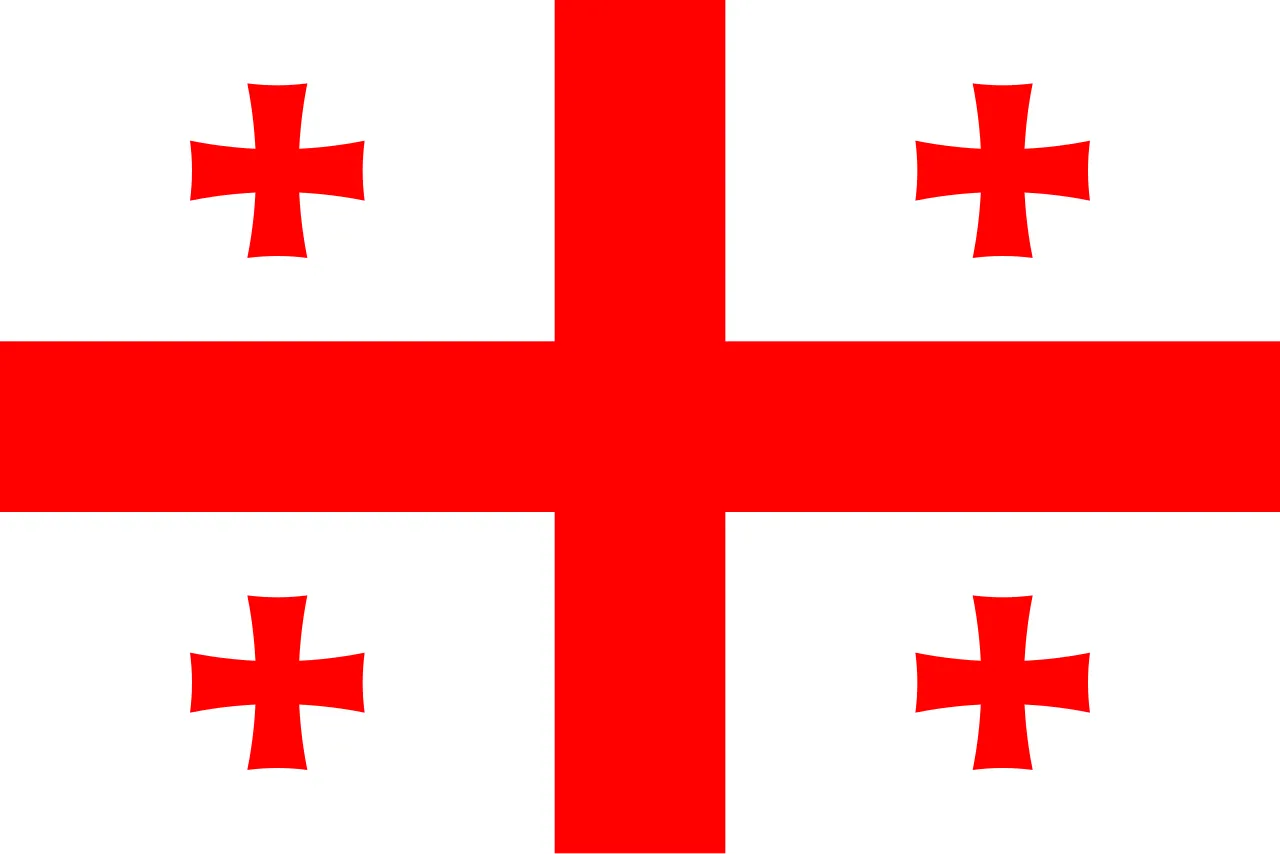
Georgia
Tourism and construction in Georgia are booming. EU Helpers helps you land a role fast.
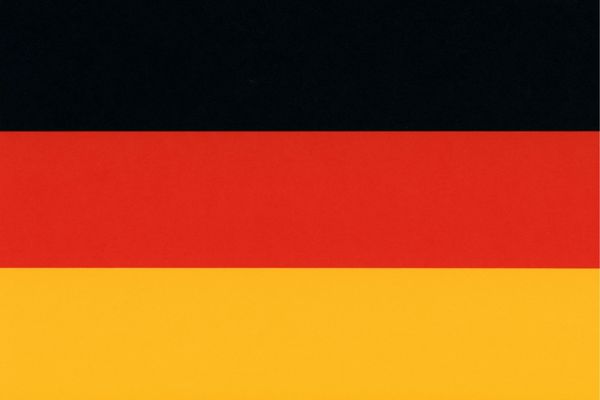
Germany
Germany's Blue Card opens doors in healthcare, IT and construction. EU Helpers walks you through it.
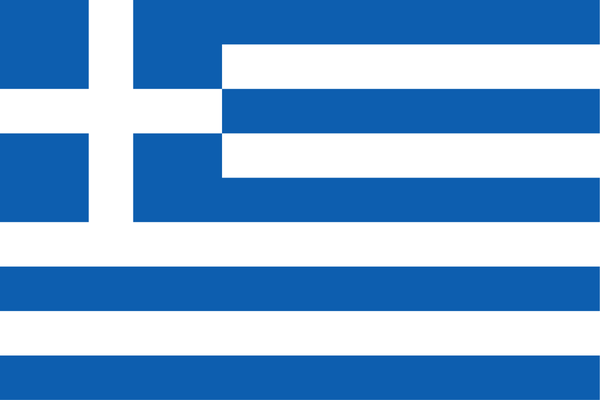
Greece
Greece hires thousands for its tourist season. EU Helpers gets you matched before it starts.
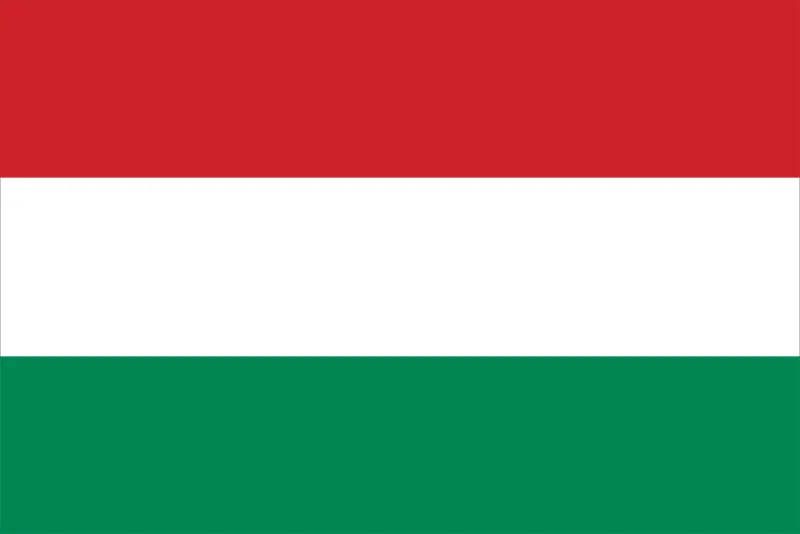
Hungary
Hungary's factories and warehouses need staff now. EU Helpers puts your CV in front of them.
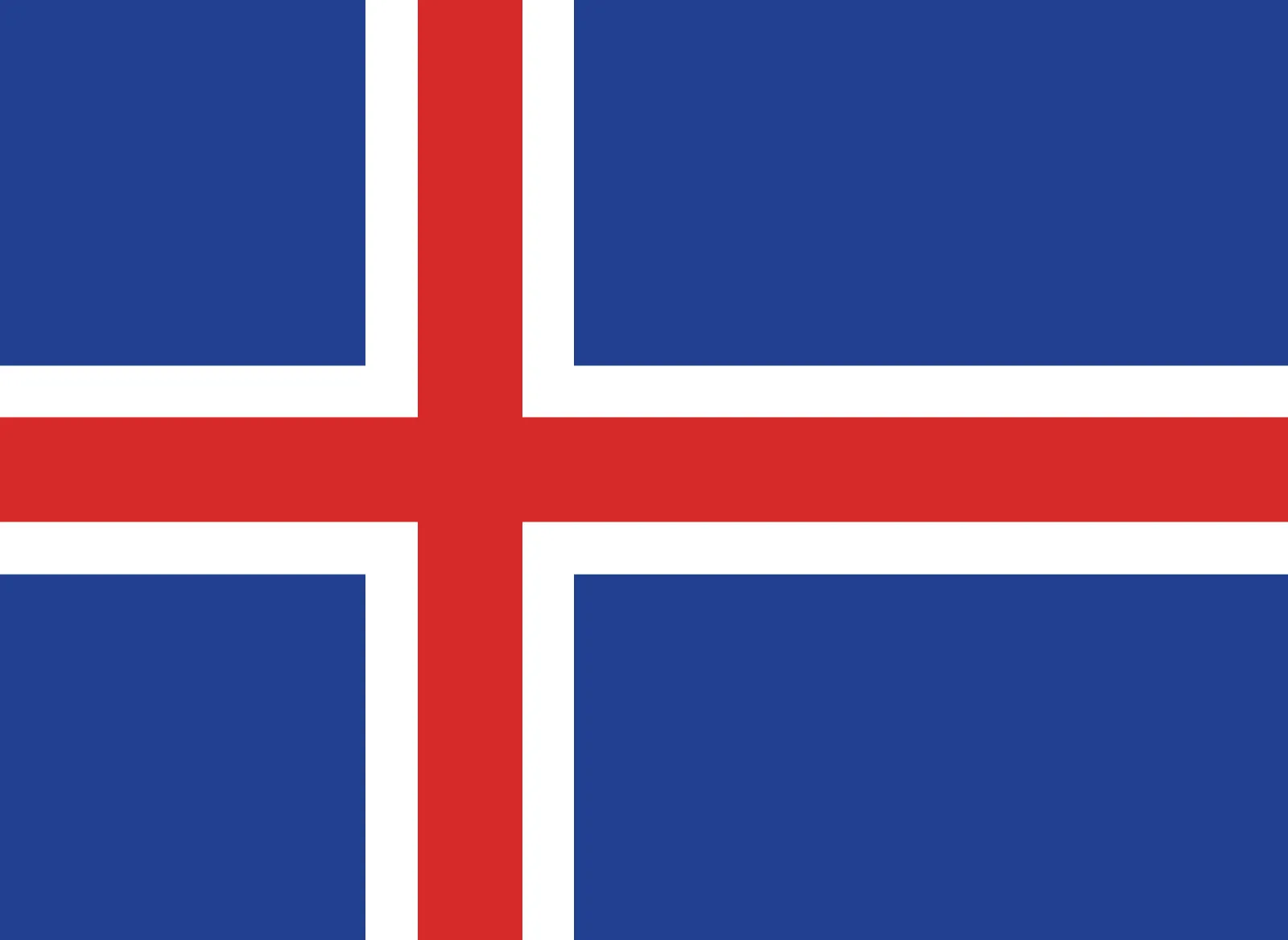
Iceland
Iceland's tourism boom outpaces its workforce. EU Helpers helps you claim a hotel or construction role.
Ireland
Ireland is short thousands of construction and care workers. EU Helpers gets you a legal way in.
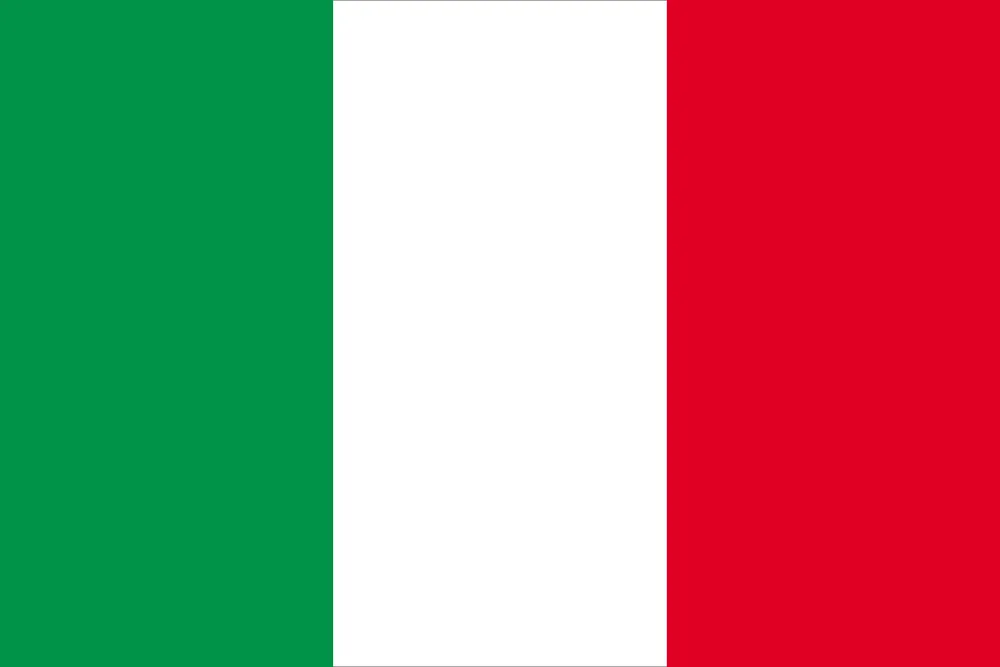
Italy
Italy relies on international workers in agriculture and care. EU Helpers guides your visa and job search together.
Kosovo
Kosovo's job seekers can reach wider European markets. EU Helpers opens that door for you.
Latvia
Latvia's manufacturing and logistics firms are hiring abroad. EU Helpers gets your application seen.
Liechtenstein
Liechtenstein's finance and manufacturing sectors pay well. EU Helpers helps skilled workers get in.
Lithuania
Lithuania's logistics hubs need more hands than local hiring provides. EU Helpers fills that gap for you.
Luxembourg
Luxembourg already runs on international talent. EU Helpers extends that opportunity to you.
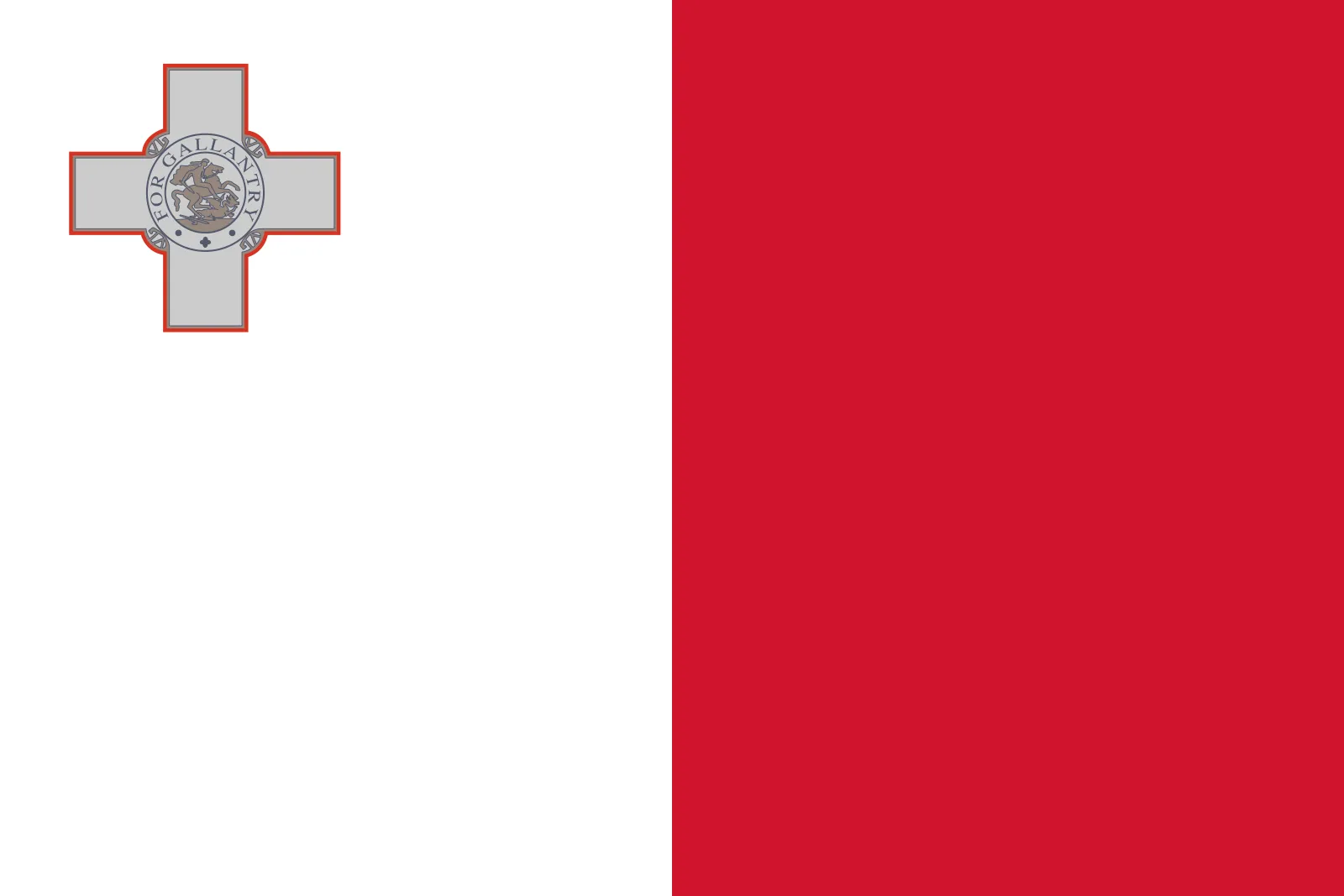
Malta
Malta's tourism and iGaming boom is hiring fast. EU Helpers gets you matched before the roles fill.
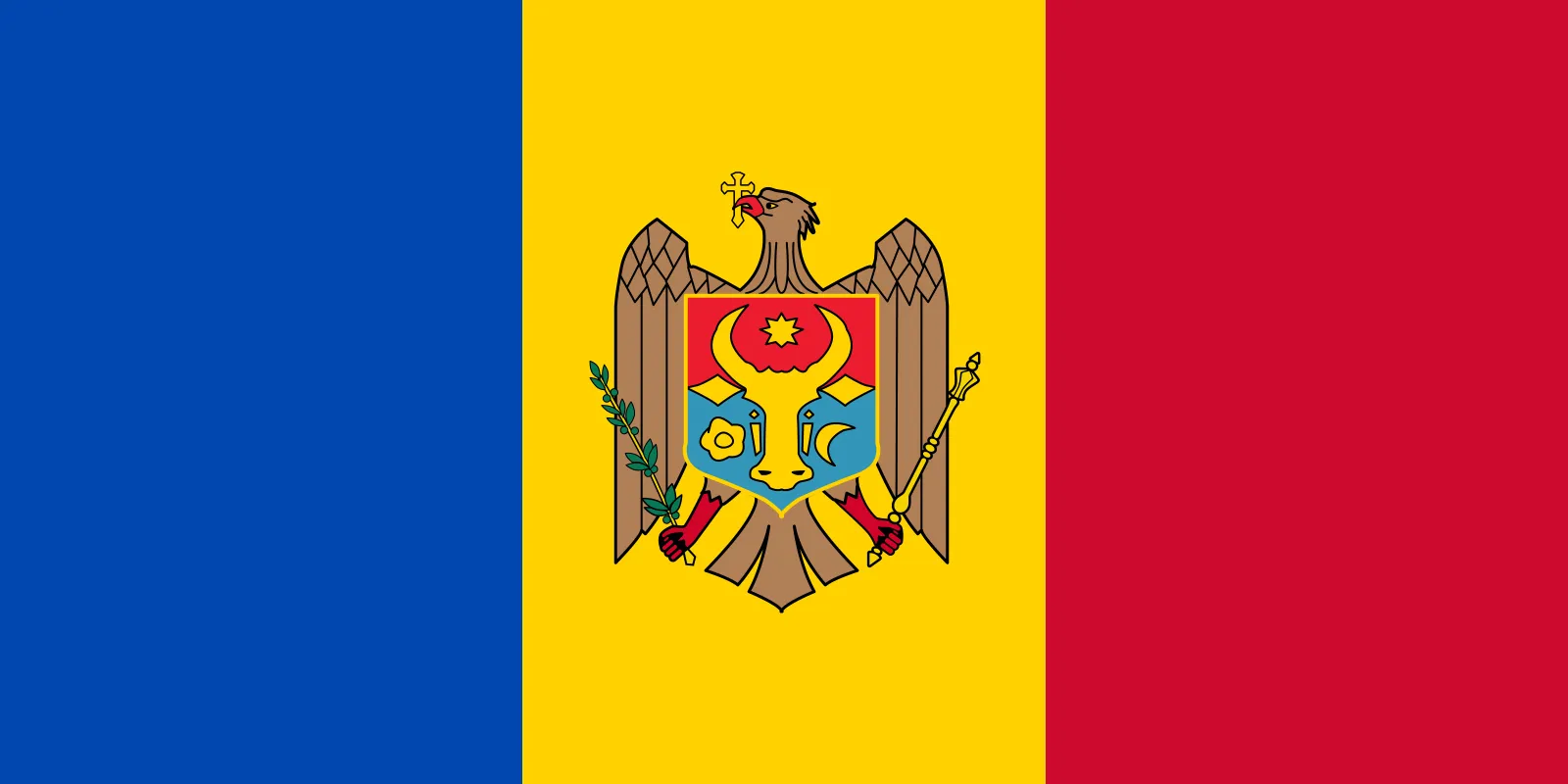
Moldova
From Moldova, EU Helpers opens the door to construction, farm and service jobs across Europe.
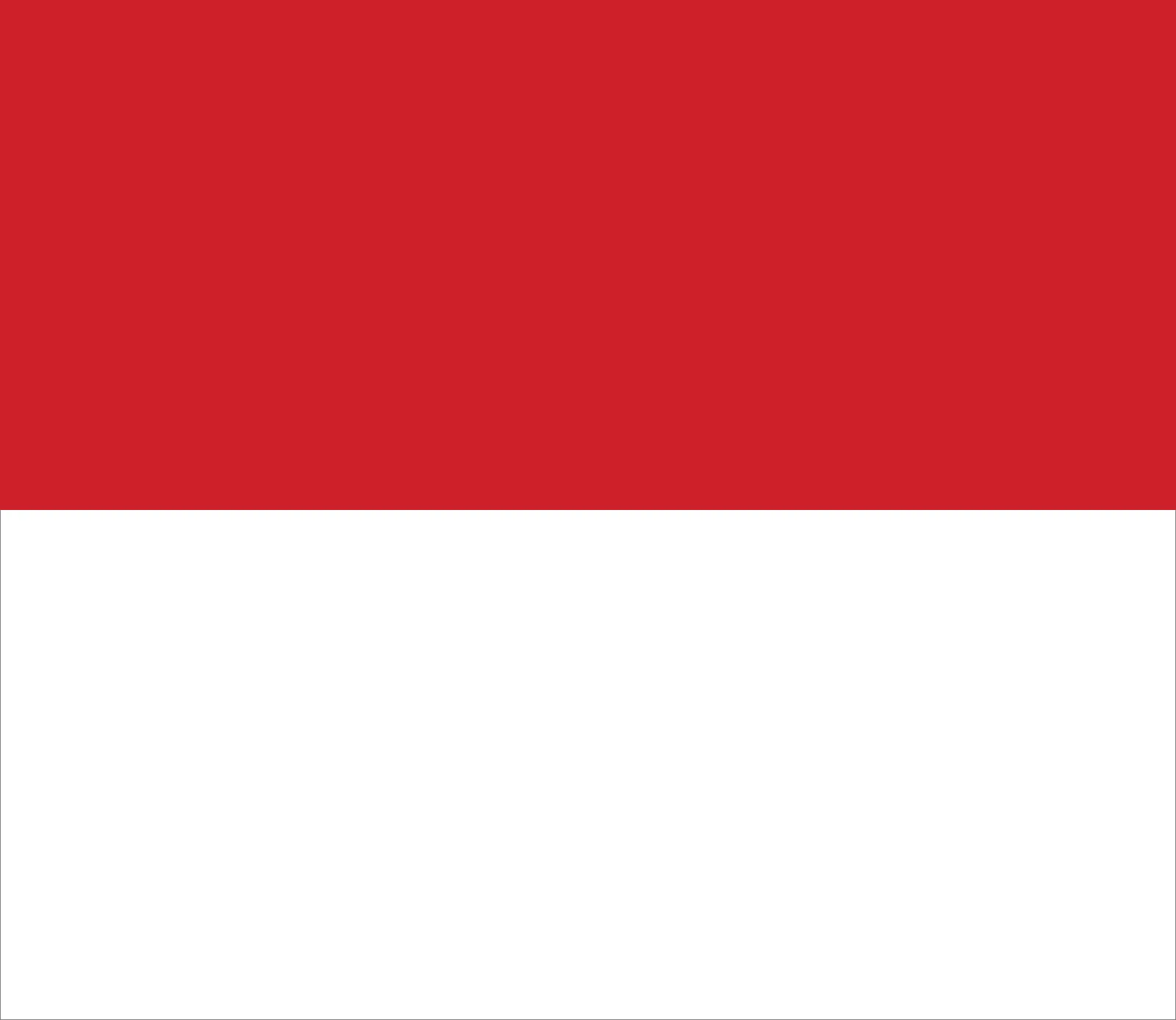
Monaco
Monaco's luxury hospitality sector pays well for polished staff. EU Helpers helps you stand out.
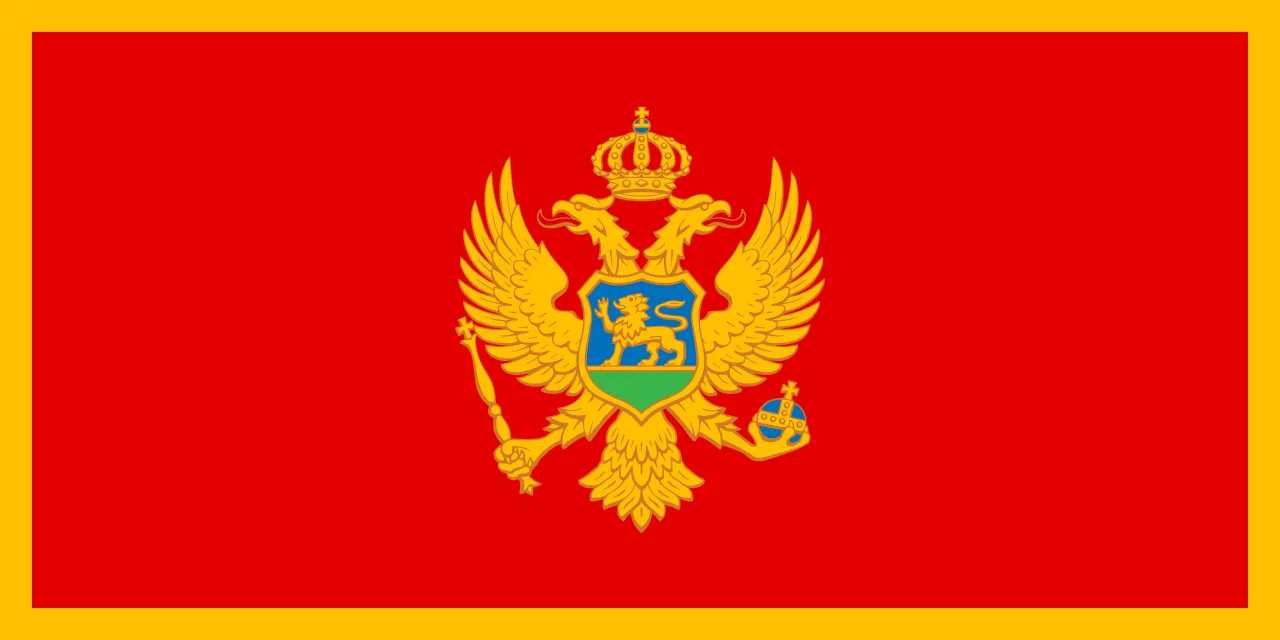
Montenegro
Montenegro's coastal season needs staff every summer. EU Helpers gets you hired before it starts.
Netherlands
The Netherlands pays top wages in agriculture and tech. EU Helpers guides your Single Permit application.
North Macedonia
North Macedonia's factories and farms need more hands. EU Helpers connects you with verified employers.
Norway
Norway pays Europe's highest wages in construction and seafood. EU Helpers helps you claim a spot.
Poland
Poland offers Europe's fastest work permits. EU Helpers gets you started sooner than most countries allow.
Portugal
Portugal welcomes non-EU workers with a straightforward visa process. EU Helpers walks you through it.
Romania
Romania's construction and IT sectors are hiring internationally. EU Helpers gets your application in front of them.
Russia
EU Helpers gets your application seen.
San Marino
San Marino's tourism sector hires seasonal staff. EU Helpers gets you matched when demand peaks.
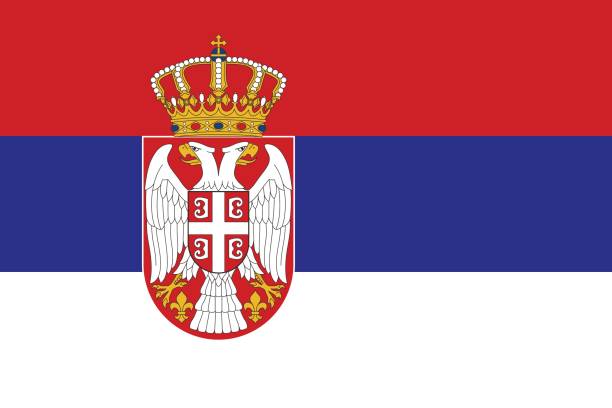
Serbia
Serbia's factories are growing faster than local hiring can keep up with. EU Helpers helps you claim a role.
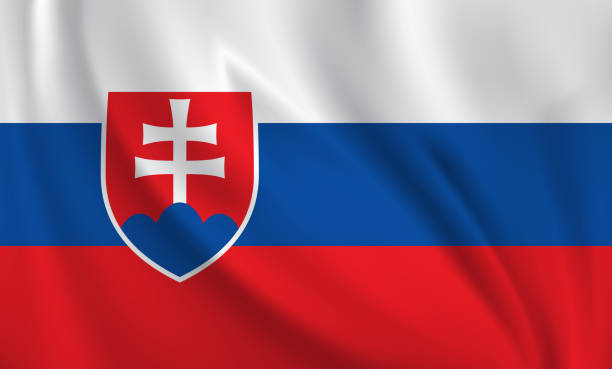
Slovakia
Slovakia's automotive plants pay well for skilled trades. EU Helpers gets your application seen.
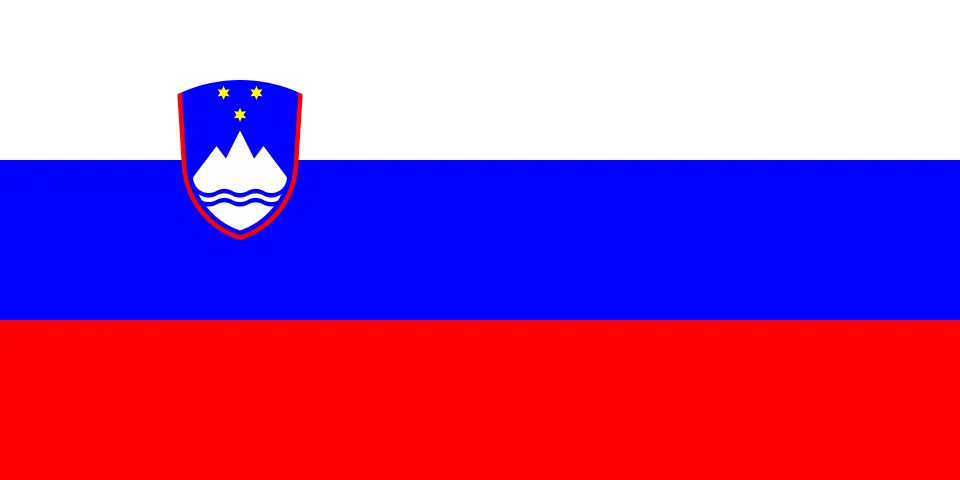
Slovenia
Slovenia's factories and tourism sector are hiring internationally. EU Helpers connects you with verified employers.
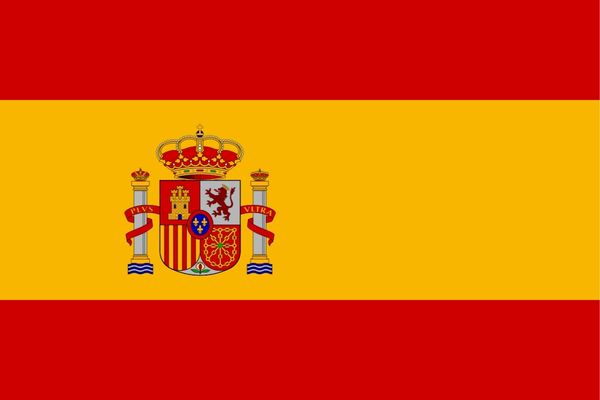
Spain
Spain hires seasonal workers in hospitality and agriculture. EU Helpers gets you matched before peak season.
Sweden
Sweden pays up to €4,000 a month in IT and healthcare. EU Helpers helps you land one.
Switzerland
Switzerland's high standards mean strong pay for skilled workers. EU Helpers helps you meet them.
Turkey
Turkey's construction and manufacturing sectors are hiring fast. EU Helpers gets your application seen.
Ukraine
EU Helpers gets your application seen.
United Kingdom
The UK is short thousands of care and construction workers. EU Helpers gets you a legal way in.
Legal Disclaimer
EU Helpers provides job-matching, application support, and visa coordination services to foreign workers seeking employment in Europe. Visa and work permit approvals are at the discretion of destination-country government authorities and are not guaranteed. Salary ranges, processing times, and country requirements are illustrative and subject to change. By using our service, you agree to our Terms and Privacy Policy.
Ask about EU Helpers on
Frequently Asked Questions
Everything you need to know about working in Europe as a foreign worker answered by the EU Helpers team.
How do I apply for a job in Europe through EU Helpers?
Visit euhelpers.com/jobseeker/registration and submit your free profile with your name, country, skills, experience, and preferred job sector. Our team reviews your profile, matches you with verified European employers, and contacts you within a few business days with suitable opportunities.
Is it free to apply through EU Helpers?
Yes. Submitting your application is completely free. EU Helpers does not charge job seekers any upfront fees. All recruitment costs are paid by European employers, in line with ILO fair recruitment standards.
Which European countries can I work in through EU Helpers?
You can apply for jobs in Germany, Poland, the Netherlands, Portugal, Romania, the Czech Republic, Austria, Norway, Sweden, Denmark, and other EU member states with active employer demand.
What types of jobs can I apply for?
You can apply for jobs in healthcare, nursing, construction, IT, agriculture, hospitality, logistics, manufacturing, food processing, cleaning, driving, and many other sectors — both entry-level and skilled positions.
Do I need to speak European languages to work in Europe?
It depends on the role and country. Construction, agriculture, warehouse, and factory jobs often require minimal knowledge of the local language. Healthcare and customer-facing roles usually require basic German, Dutch, or the local language. Many IT and professional roles accept English only.
How long does the visa and work permit process take?
Processing time depends on the country: Poland and the Czech Republic typically take 4–8 weeks, Germany 6–12 weeks, the Netherlands 8–12 weeks, and Austria 8–14 weeks. Total time from application to start date is usually 8–16 weeks.
What documents do I need to work in Europe?
Valid passport (minimum 12 months remaining), educational certificates with notarised translations, work experience letters, medical certificate, police clearance certificate, passport-size photographs, and your signed job offer letter from the European employer.
Do I need a job offer before applying for a visa?
Yes. The work permit and visa process can only begin after you have a formal, signed job offer from a verified European employer. EU Helpers helps you secure that job offer first.
What is the EU Blue Card?
The EU Blue Card is a work and residence permit for highly qualified professionals with a recognised university degree and a job offer above the salary threshold (around €43,000–€56,000 per year). It allows work across most EU member states and provides a fast path to permanent residency.
What is a Single Permit (GVVA)?
The Single Permit, also called GVVA in the Netherlands, combines the work permit and residence permit into a single document. It is governed by the EU Single Permit Directive and is the most common pathway for non-EU workers in long-term employment.
Can I bring my family to Europe?
For most skilled and long-term work permits, yes. Family reunification allows your spouse and dependent children to join you after a qualifying period — typically 6–12 months of legal residence and stable employment.
How much can I earn working in Europe?
Net monthly salaries vary by country and role. Entry-level roles range from €900 in Portugal to €4,500 in Norway. Skilled roles range from €1,800 in Poland to €6,000 in Norway and Sweden. Healthcare and IT roles are among the highest-paying.
Will I have health insurance and worker rights in Europe?
Yes. Foreign workers in legal employment have the same rights as local workers in most EU countries — including minimum wage, regulated working hours, paid annual leave, public health insurance, and the right to join a trade union.
Can my work permit be renewed?
Yes. Most European work permits can be renewed if you remain in continuous legal employment. After 5 years of legal residence in most countries, you can apply for permanent residency.
Will EU Helpers help me find accommodation?
Many employers provide accommodation as part of the contract, especially in agriculture, hospitality, and construction. EU Helpers provides guidance on accommodation options and what to expect upon arrival.
What if my visa application is rejected?
Common reasons for rejection are incomplete documents, unrecognised qualifications, or inconsistencies in the application. EU Helpers reviews your documents thoroughly before submission to avoid these issues. If rejection happens, we help you re-apply through alternative pathways where possible.
Can I switch employers after I arrive in Europe?
It depends on the country and permit type. Some permits are tied to a specific employer for an initial period (usually 1–2 years), after which you can change jobs. The EU Blue Card and certain national permits allow more flexibility.
Can I apply if I don't have formal qualifications?
Yes. Many in-demand sectors — agriculture, hospitality, cleaning, construction labour, food processing, warehousing — do not require formal qualifications. Physical fitness, reliability, and willingness to work are the main requirements.
How do I avoid recruitment scams?
Never pay upfront fees to anyone claiming to guarantee a European job. Always verify the employer through official channels. EU Helpers only works with verified employers, and we never charge job seekers for placement. Apply only through trusted platforms like euhelpers.com/jobseeker/registration.
How do I get started right now?
Visit euhelpers.com, fill in your profile, and submit. Our team will review and reach out within a few business days with matched job opportunities.