
Quick Enquiry
Want to Study Europe? Avail our Services
Study Europe With Eu helpers
Europe is home to some of the world's most prestigious universities, world-class research institutions, and the most internationally recognised degrees. From Germany and the Netherlands to Poland, France, Italy, Spain, Portugal, and the Nordic countries, European universities are actively welcoming international students from Asia, Africa, and Latin America.
Whether you are aiming for a Bachelor's, Master's, PhD, or vocational diploma, Europe offers globally respected qualifications, affordable tuition (and many tuition-free options in public universities), modern campuses, and a clear post-study work pathway. EU Helpers connects international students directly with verified European universities and guides them through the entire admissions, student visa, and accommodation process from start to finish.
Get started today at Euhelpers.com. Submitting your profile takes less than 5 minutes.
Why Study in Europe as an International Student
European higher education is one of the strongest in the world. The Bologna Process has standardised degree structures across 49 countries, meaning your European degree is recognised globally and easily transferable across countries. Combined with affordable tuition, strong post-study work rights, and access to the wider EU labour market, Europe is one of the smartest study destinations available today.
World-Class Universities & Globally Recognised Degrees
European universities consistently rank among the top in global rankings. Institutions in Germany, the Netherlands, France, Italy, and Sweden have produced Nobel Prize winners, leading scientists, and Fortune 500 CEOs. A European degree carries weight wherever you go whether you return home, stay in Europe, or move to North America.
Affordable or Tuition-Free Education
Many European countries offer free or low-cost tuition at public universities even for international students. Germany, Norway, Iceland, Austria, and several other countries charge little to no tuition at public institutions. Even in tuition-charging countries like the Netherlands, Italy, or Spain, costs are significantly lower than in the UK, US, Canada, or Australia.
English-Taught Programmes
Thousands of Bachelor's, Master's, and PhD programmes across Europe are taught entirely in English. The Netherlands, Germany, Sweden, Denmark, Finland, and Ireland offer the widest selection. You do not need to learn the local language to enrol though learning it during your studies is encouraged.
Strong Post-Study Work Pathways
Most European countries grant international students a post-study work visa or job-search visa after graduation typically 9 to 24 months. This gives you time to find skilled employment, which can then lead to a long-term work permit, an EU Blue Card, or eventual permanent residency.
Access to Schengen & EU Mobility
A student visa for one Schengen country lets you travel freely across 26 European countries. After graduation and several years of residence, you can apply for long-term EU residency opening doors across the entire continent.
Cultural Diversity & Safe Environment
European cities are diverse, multilingual, and safe. Universities are international by design, with student populations from across the globe. Healthcare access, public transport, and overall quality of life are among the best in the world.
Top European Countries for International Students
| Country | Average Annual Tuition | English Programmes | Post-Study Work Visa |
|---|---|---|---|
| Germany | €0 – €3,000 (public) | Yes extensive | 18 months job-search visa |
| Netherlands | €2,500 – €15,000 | Yes most programmes | 12-month orientation year |
| Poland | €2,000 – €6,000 | Yes growing | 12 months post-graduation |
| France | €2,770 – €10,000 | Yes Master's level | 12–24 months APS |
| Italy | €900 – €4,000 | Yes Master's mainly | 12 months post-graduation |
| Spain | €1,500 – €4,000 | Yes limited | 12 months job-search |
| Portugal | €1,000 – €7,000 | Yes growing | 12 months post-study |
| Sweden | €8,000 – €15,000 | Yes extensive | 12 months post-graduation |
| Norway | €0 (some programmes) | Yes limited | 12 months job-search |
| Ireland | €10,000 – €25,000 | Yes all programmes | 24 months Stamp 1G |
| Austria | €726 – €1,500 (public) | Yes Master's level | 12 months job-search |
| Czech Republic | €0 – €5,000 | Yes growing | 9 months post-graduation |
| Hungary | €1,000 – €5,000 | Yes extensive | 9 months post-study |
Germany
Germany is the most popular study destination in continental Europe. Public universities charge little to no tuition even for non-EU students. Strong programmes in engineering, computer science, business, medicine, and natural sciences. Famous universities include TU Munich, Heidelberg, RWTH Aachen, and LMU Munich. After graduation, you get an 18-month job-search visa.
Netherlands
The Netherlands offers more English-taught programmes than any other non-English-speaking country in Europe. Strong in business, engineering, design, and social sciences. Top universities include Delft, Amsterdam, Leiden, Utrecht, and Erasmus Rotterdam. After graduation, you get a 12-month Orientation Year to find work.
Poland
Poland is one of Europe's most affordable study destinations. Strong in medicine (English-taught MD programmes are world famous), engineering, IT, and business. Top universities include the University of Warsaw, Jagiellonian University in Kraków, and AGH University of Kraków. Living costs are among the lowest in the EU.
France
France has world-class universities and Grandes Écoles. Public university tuition is heavily subsidised even for non-EU students. Strong in business, fashion, engineering, and humanities. Top institutions include Sorbonne, Sciences Po, École Polytechnique, and HEC Paris. Post-graduation APS visa allows 12–24 months for job searching.
Italy
Italy is increasingly popular with international students thanks to low public university tuition, English-taught Master's programmes, and excellent quality of life. Strong in design, architecture, fashion, business, and humanities. Top universities include Bocconi, Politecnico di Milano, Sapienza, and the University of Bologna.
Spain
Spain attracts thousands of international students each year with affordable tuition and a vibrant student lifestyle. Strong in business, hospitality, languages, and the arts. Top institutions include IE Business School, ESADE, the University of Barcelona, and the Universidad Complutense.
Portugal
Portugal is a fast-growing study destination, particularly for students from Brazil, Lusophone Africa, and South Asia. English programmes are expanding rapidly. Top universities include the University of Porto, the University of Lisbon, and NOVA Lisbon. Friendly post-study work rights make Portugal an attractive long-term option.
Scandinavia (Sweden, Norway, Finland, Denmark)
Scandinavian universities consistently rank in the global top 100. Strong in engineering, sustainability, IT, and design. Norway still offers tuition-free programmes for some international students. Top universities include KTH Stockholm, Lund, Copenhagen, Oslo, and Helsinki. English-taught Master's programmes are widely available.
Ireland
Ireland is the only fully English-speaking option in the EU. Strong in IT, pharmaceuticals, business, and medical sciences. Top universities include Trinity College Dublin, University College Dublin, and the University of Limerick. The 24-month Stamp 1G post-study work permit is one of the best in Europe.
Central Europe (Czech Republic, Hungary, Austria)
Central European universities offer high-quality education at very affordable prices. The Czech Republic is famous for engineering and medicine. Hungary's Stipendium Hungaricum scholarship attracts thousands of students annually. Austria offers world-class programmes in music, arts, and economics.
Top Fields of Study in Europe
| Field | Top Countries | Career Outlook | Average Starting Salary in the EU |
|---|---|---|---|
| Engineering & Technology | Germany, the Netherlands, and Sweden | Very Strong | €42,000 – €60,000/year |
| Computer Science & IT | Germany, Ireland, Netherlands | Very Strong | €45,000 – €70,000/year |
| Medicine & Health Sciences | Poland, Hungary, the Czech Republic, and Italy | Very Strong | €55,000 – €90,000/year |
| Business & Management | Netherlands, France, Spain, Ireland | Strong | €40,000 – €65,000/year |
| Design, Fashion & Architecture | Italy, France, Netherlands | Niche but strong | €32,000 – €50,000/year |
| Data Science & AI | Germany, the Netherlands, and Sweden | Very Strong | €48,000 – €75,000/year |
| Hospitality & Tourism | Switzerland, Spain, Italy | Strong | €28,000 – €45,000/year |
| Renewable Energy & Sustainability | Sweden, Denmark, Germany | Rapidly Growing | €42,000 – €60,000/year |
| Finance, Accounting & Economics | UK, Ireland, Netherlands, Germany | Very Strong | €45,000 – €70,000/year |
| Arts, Humanities & Social Sciences | UK, France, Italy, Germany | Variable | €28,000 – €45,000/year |
Top Source Countries for Students Going to Europe
Asian Source Countries
- India engineering, IT, business, data science, medicine
- China engineering, business, IT, arts
- Pakistan engineering, IT, business, medicine
- Bangladesh engineering, IT, business, science
- Nepal IT, business, hospitality, healthcare
- Sri Lanka engineering, IT, business, medicine
- Vietnam business, IT, engineering
- Philippines nursing, IT, business, hospitality
African Source Countries
- Nigeria engineering, IT, medicine, business
- Kenya engineering, IT, healthcare, business
- Ghana engineering, business, IT, agriculture
- Egypt engineering, IT, business, design
- Morocco engineering, business, multilingual programmes
- South Africa IT, engineering, business, science
- Ethiopia engineering, public health, IT
Latin American Source Countries
- Brazil engineering, business, IT, design (especially in Portugal)
- Colombia business, IT, engineering, hospitality
- Mexico engineering, business, IT, design
- Peru business, hospitality, social sciences
- Argentina IT, design, social sciences, healthcare
Cost of Studying & Living in Europe
Understanding realistic costs helps you plan your studies. All figures below are approximate monthly living costs for international students.
| Country | Annual Tuition | Monthly Living Cost | Proof of Funds Required |
|---|---|---|---|
| Germany | €0 – €3,000 | €850 – €1,200 | €11,208/year (blocked account) |
| Netherlands | €2,500 – €15,000 | €900 – €1,400 | €14,000/year |
| Poland | €2,000 – €6,000 | €500 – €800 | €7,500/year |
| France | €2,770 – €10,000 | €900 – €1,400 | €7,500/year |
| Italy | €900 – €4,000 | €800 – €1,200 | €6,000/year |
| Spain | €1,500 – €4,000 | €700 – €1,100 | €7,200/year |
| Portugal | €1,000 – €7,000 | €650 – €1,000 | €7,500/year |
| Sweden | €8,000 – €15,000 | €900 – €1,300 | €10,000/year |
| Ireland | €10,000 – €25,000 | €1,100 – €1,800 | €10,000/year |
| Czech Republic | €0 – €5,000 | €500 – €800 | €5,500/year |
Most European countries require proof of funds as part of the student visa application typically in the form of a blocked bank account or scholarship confirmation. EU Helpers helps you understand the exact financial requirements for your chosen country.
Scholarships & Funding for International Students in Europe
Many European universities and governments offer scholarships specifically for international students. Here are the most accessible options.
Erasmus+ Scholarships
The European Union's flagship scholarship programme. Covers Master's, joint programmes, and exchange schemes across multiple European countries. Funding includes tuition, a monthly stipend (€1,000–€1,400), travel allowance, and insurance.
DAAD Scholarships (Germany)
Germany's DAAD funds thousands of international students annually across Master's, PhD, and research programmes. Awards include monthly stipends (€934 for Master's, €1,300 for PhD), tuition coverage, and health insurance.
Eiffel Scholarship (France)
France's prestigious scholarship for top international Master's and PhD students. Provides a monthly allowance, return flight, accommodation, and tuition support.
Holland Scholarship (Netherlands)
A €5,000 grant for non-EEA students starting Bachelor's or Master's programmes at participating Dutch universities.
Stipendium Hungaricum (Hungary)
Hungary's government-funded scholarship for international students from over 80 partner countries. Covers tuition, monthly stipend, dormitory, and medical insurance.
Swedish Institute Scholarships (Sweden)
Funded by the Swedish government for international Master's students from selected countries. Covers full tuition, living costs, travel, and insurance.
University-Specific Scholarships
Most European universities offer their own institutional scholarships sometimes called "Excellence Scholarships," "Merit Awards," or "International Student Bursaries." Many are automatic upon admission; others require a separate application.
Government Scholarships from Home Countries
Many Asian, African, and Latin American governments fund their citizens to study abroad including the Indian National Overseas Scholarship, Nigerian PTDF, Pakistani HEC, and many more. EU Helpers helps you identify and apply for these.
European Student Visa Process Explained
Applying for a European student visa follows a clear structure. Most non-EU students need a long-stay D-Type student visa, followed by a residence permit after arrival.
The 3 Connected Layers
- Layer 1 University Admission: Secure an offer letter (Letter of Acceptance) from a recognised European university.
- Layer 2 Student Visa (Type D): Apply for a long-stay student visa at the country's embassy in your home country.
- Layer 3 Residence Permit: After arriving in Europe, register with local authorities and apply for a student residence permit.
Student Visa Types Explained Step-by-Step
Type 1 National Student Visa (Type D)
The most common student visa for non-EU students entering Europe for studies lasting more than 90 days. Applies in Germany, France, Italy, Spain, Portugal, Poland, the Czech Republic, and most EU member states.
Step-by-Step Process
- Apply and receive admission from a recognised European university.
- Pay the tuition deposit and obtain confirmation/proof of a blocked account.
- Gather student visa documents (passport, admission letter, proof of funds, health insurance, etc.).
- Book a visa appointment at the embassy of the country in your home country.
- Submit application and biometrics.
- Visa processed usually within 4–12 weeks.
- Travel to Europe and register with local authorities for the residence permit.
Validity: Initial visa typically 3–6 months; converted to a residence permit after arrival (valid for the full study duration).
Type 2 Schengen Short-Stay Student Visa (Type C)
For short courses, summer schools, or language programmes under 90 days. Easier and faster to obtain than Type D.
Step-by-Step Process
- Get admission to a short course or language programme.
- Submit a visa application at the embassy of the destination Schengen country.
- Provide course confirmation, travel insurance, and proof of accommodation.
- Visa approved usually within 2–4 weeks.
- Travel and complete the programme.
Validity: Up to 90 days within 180 days.
Type 3 Ireland Student Visa (Stamp 2)
For students enrolled in an approved Irish higher education programme. Allows up to 20 hours of part-time work per week during term, and 40 hours during holidays.
Step-by-Step Process
- Get admission from a Department of Justice-approved Irish institution.
- Apply for the long-stay (D) study visa online via the AVATS system.
- Submit supporting documents (admission letter, proof of payment of fees, €10,000 proof of funds, and English certificate).
- Visa processed usually 4–8 weeks.
- Travel to Ireland and register for the Irish Residence Permit (Stamp 2) at the Immigration Service.
Validity: 1 year, renewable for the duration of studies.
Type 4 Post-Study Work Visa / Job-Search Visa
Granted, after graduation, allowing international students to remain in Europe to find skilled employment. Common in Germany (18 months), the Netherlands (12 months), Ireland (24 months), and many other countries.
Step-by-Step Process
- Complete your European degree.
- Apply for the post-study work or job-search visa at your local immigration office.
- Provide a graduation certificate, financial proof, and health insurance.
- Permit issued usually 4–8 weeks.
- Begin searching for skilled employment.
- Convert to a full work permit or EU Blue Card once employed.
Validity: 9–24 months, depending on the country.
Student Visa Summary Table
| Visa Type | Best For | Processing Time | Validity |
|---|---|---|---|
| National Student Visa (Type D) | Long-term degree programmes | 4–12 weeks | Full study duration |
| Schengen Short-Stay (Type C) | Short courses, summer schools | 2–4 weeks | Up to 90 days |
| Ireland Stamp 2 | Studying in Ireland | 4–8 weeks | 1 year, renewable |
| Post-Study Work Visa | Post-graduation job search | 4–8 weeks | 9–24 months |
How to Apply for a European University Through EU Helpers
Step 1 Submit Your Application
Visit euhelpers.com and fill in your name, country, educational background, preferred field of study, and target country. Takes under five minutes.
Step 2 Profile Review & University Matching
Our team reviews your academic profile, qualifications, and budget. We match you with verified European universities offering programmes aligned with your goals.
Step 3 University Application Submission
EU Helpers helps you prepare and submit complete applications to multiple universities. We guide you through transcripts, motivation letters, recommendation letters, and proof of English proficiency.
Step 4 Receive Offer Letter
Once admitted, you receive an official Letter of Acceptance from the university. EU Helpers helps you compare offers and choose the right one.
Step 5 Student Visa & Documentation
With your admission letter, the student visa process begins. EU Helpers guides you through every document financial proof, health insurance, accommodation, and visa appointment booking.
Step 6 Pre-Departure & Arrival Support
Once your visa is approved, EU Helpers provides guidance on travel, initial accommodation, university enrolment, opening a bank account, and registering with local authorities.
Documents Required for a European Student Visa
| Document | Details |
|---|---|
| Valid Passport | Minimum 12 months validity after arrival |
| Letter of Acceptance | From a recognised European university |
| Academic Transcripts | Originals or notarised translations |
| Educational Certificates | Bachelor's, Higher Secondary, etc. |
| English Language Certificate | IELTS, TOEFL, PTE, or Duolingo (where applicable) |
| Proof of Funds | Blocked account or scholarship confirmation |
| Health Insurance | Valid in the destination country |
| Passport-Size Photographs | Per country-specific format |
| Motivation Letter | Stating reasons for studying in the chosen programme |
| Recommendation Letters | From previous teachers or employers |
| Police Clearance Certificate | Recent issued in the home country |
| Tuition Fee Payment Proof | Deposit or full first-semester payment |
Having all documents ready before you apply significantly speeds up the entire process. EU Helpers reviews your documents to flag any gaps before submission.
Tips to Get Admission Faster in Europe
Apply Early
European universities have intake cycles typically in October (Winter) and February (Spring/Summer). Apply 6–9 months before your intended start date to allow time for admission, visa, and travel arrangements.
Strong English Proficiency
Most English-taught programmes require IELTS 6.0–7.0 or TOEFL 80–95. Take the test early even before applying. A strong score opens scholarship opportunities.
Write a Compelling Motivation Letter
Your motivation letter is one of the most important parts of your application. Clearly explain why you chose the programme, university, and country, and how it fits your career goals.
Get Strong Recommendation Letters
Ask teachers or employers who know your work well. Two strong, specific letters are more powerful than five generic ones.
Apply to Multiple Universities
Don't rely on a single application. Apply to 4–6 universities across 2–3 countries. EU Helpers helps you build a balanced shortlist that maximises your chances of admission.
Apply Through Verified Channels Only
Many fake education agents target students with promises of "guaranteed admission" and demand large upfront fees. EU Helpers only works with verified European universities. Read more about EU Helpers or contact our student support team.
Working While Studying in Europe
Most European countries allow international students to work part-time during their studies providing a great way to support living costs and gain professional experience.
Part-Time Work Limits by Country
| Country | Hours During Term | Hours During Holidays |
|---|---|---|
| Germany | 20 hours/week or 120 full days/year | Full-time |
| Netherlands | 16 hours/week | Full-time (Jun–Aug) |
| Poland | Unlimited with a student visa | Unlimited |
| France | 20 hours/week (964 hours/year) | Full-time |
| Italy | 20 hours/week (1,040 hours/year) | Full-time |
| Ireland | 20 hours/week | 40 hours/week (Jun–Sep & Dec 15–Jan 15) |
| Spain | 30 hours/week | Full-time |
| Sweden | No hourly limit (must remain a full-time student) | Full-time |
Typical part-time work in cafés, retail, libraries, or campus jobs pays €9–€15/hour, which often covers a significant portion of living costs.
Why Choose EU Helpers for Studying in Europe
EU Helpers was built to solve the most frustrating problems international students face finding the right university, understanding the visa process, securing scholarships, and avoiding agent scams.
Verified European Universities
Every university in our network is officially recognised by its national accreditation body and committed to international student admissions.
End-to-End Admission & Visa Support
From shortlisting universities to admission applications, scholarship guidance, student visa documentation, and arrival support EU Helpers guides you through every step.
Transparent Process No Hidden Fees
What is communicated upfront is what applies throughout. EU Helpers never asks for "guaranteed admission" fees.
Multi-Language Support
The student support team speaks English, Hindi, Mandarin, Arabic, French, Spanish, Portuguese, and other languages supporting students from across the globe.
Trusted Across 4 Continents
EU Helpers has helped students from over 20 countries successfully secure admission and student visas to top European universities.
Explore Each Destination
Ready to Study in Europe?
Tell us where you'd like to study. Our team will guide you through admissions, scholarships, and the student visa process so you can focus on getting in.
Study in Albania
Albania's universities are affordable and growing fast. EU Helpers guides your application and student visa from start to finish.
Study in Andorra
Andorra's small university offers a close-knit study environment. EU Helpers helps you explore admission options there.
Study in Armenia
Armenia's universities offer low-cost degrees with growing international intake. EU Helpers guides your application and visa process.
Study in Austria
Austria charges as little as €726 a year at public universities. EU Helpers helps you apply and secure your student visa.
Study in Azerbaijan
Azerbaijan's universities are opening more programmes to international students. EU Helpers guides you through the admission and visa process.
Study in Belarus
Belarus offers low-cost degrees in medicine and engineering. EU Helpers helps you apply and navigate the visa process.
Study in Belgium
Belgium's universities blend strong rankings with multilingual campus life. EU Helpers guides your admission and student visa application.
Study in Bosnia and Herzegovina
Bosnia and Herzegovina offers affordable degrees with a growing international student community. EU Helpers guides your application.
Study in Bulgaria
Bulgaria's medical and engineering degrees cost a fraction of those in Western Europe. EU Helpers helps you apply for and secure your visa.
Study in Croatia
Croatia combines EU-recognised degrees with a lower cost of living. EU Helpers guides your admission and visa application.
Study in Cyprus
Cyprus offers English-taught degrees with EU recognition at competitive tuition. EU Helpers guides your application from start to finish.
Study in Czech Republic
Czech Republic charges as little as €0 at some public universities. EU Helpers helps you apply and secure your student visa.
Study in Denmark
Denmark's universities rank among Europe's best for engineering and design. EU Helpers guides your application and visa process.
Study in Estonia
Estonia's universities lead in IT and digital innovation programmes. EU Helpers helps you apply for and navigate your student visa.
Study in Finland
Finland's universities offer world-class engineering and design programmes. EU Helpers guides your admission and student visa application.
Study in France
France's Grandes Écoles and public universities charge subsidised tuition even for non-EU students. EU Helpers guides your application.
Study in Georgia
Georgia's medical schools attract thousands of international students each year. EU Helpers guides you through the admission and visa process.
Study in Germany
Germany's public universities charge little to no tuition, even for non-EU students. EU Helpers guides your application and student visa.
Study in Greece
Greece offers affordable degrees with EU recognition and Mediterranean student life. EU Helpers guides your admission and visa process.
Study in Hungary
Hungary's Stipendium Hungaricum scholarship covers tuition, stipend and insurance. EU Helpers helps you apply for it.
Study in Iceland
Iceland offers small class sizes and strong research programmes. EU Helpers guides your application and student visa process.
Study in Ireland
Ireland is the only fully English-speaking EU study destination and offers a 24-month post-study visa. EU Helpers guides your application.
Study in Italy
Italy's Bocconi, Politecnico di Milano and Bologna draw students worldwide. EU Helpers guides your admission and visa process.
Study in Kosovo
Kosovo's growing university sector is opening more places for international students. EU Helpers guides your application and visa process.
Study in Latvia
Latvia offers affordable degrees and a growing selection of English-taught programmes. EU Helpers guides your admission and visa application.
Study in Liechtenstein
Liechtenstein's small university specialises in architecture and business. EU Helpers helps you explore admission options there.
Study in Lithuania
Lithuania combines low tuition with a growing list of English-taught programmes. EU Helpers guides you through the admission and visa process.
Study in Luxembourg
Luxembourg's university blends financial strength with a multilingual campus. EU Helpers guides your admission and student visa application.
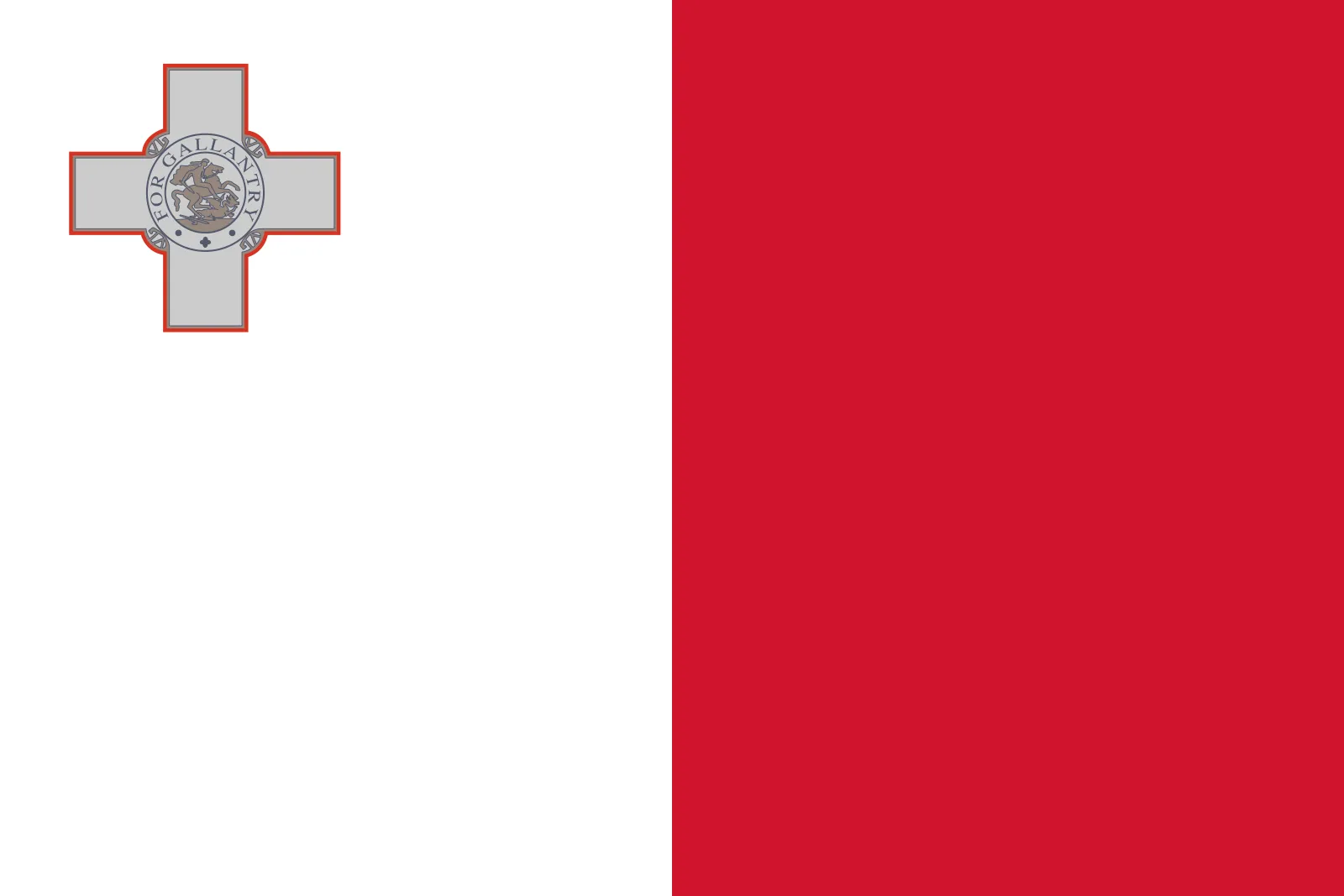
Study in Malta
Malta offers English-taught degrees with EU recognition and island life. EU Helpers guides you through the admission and visa process.
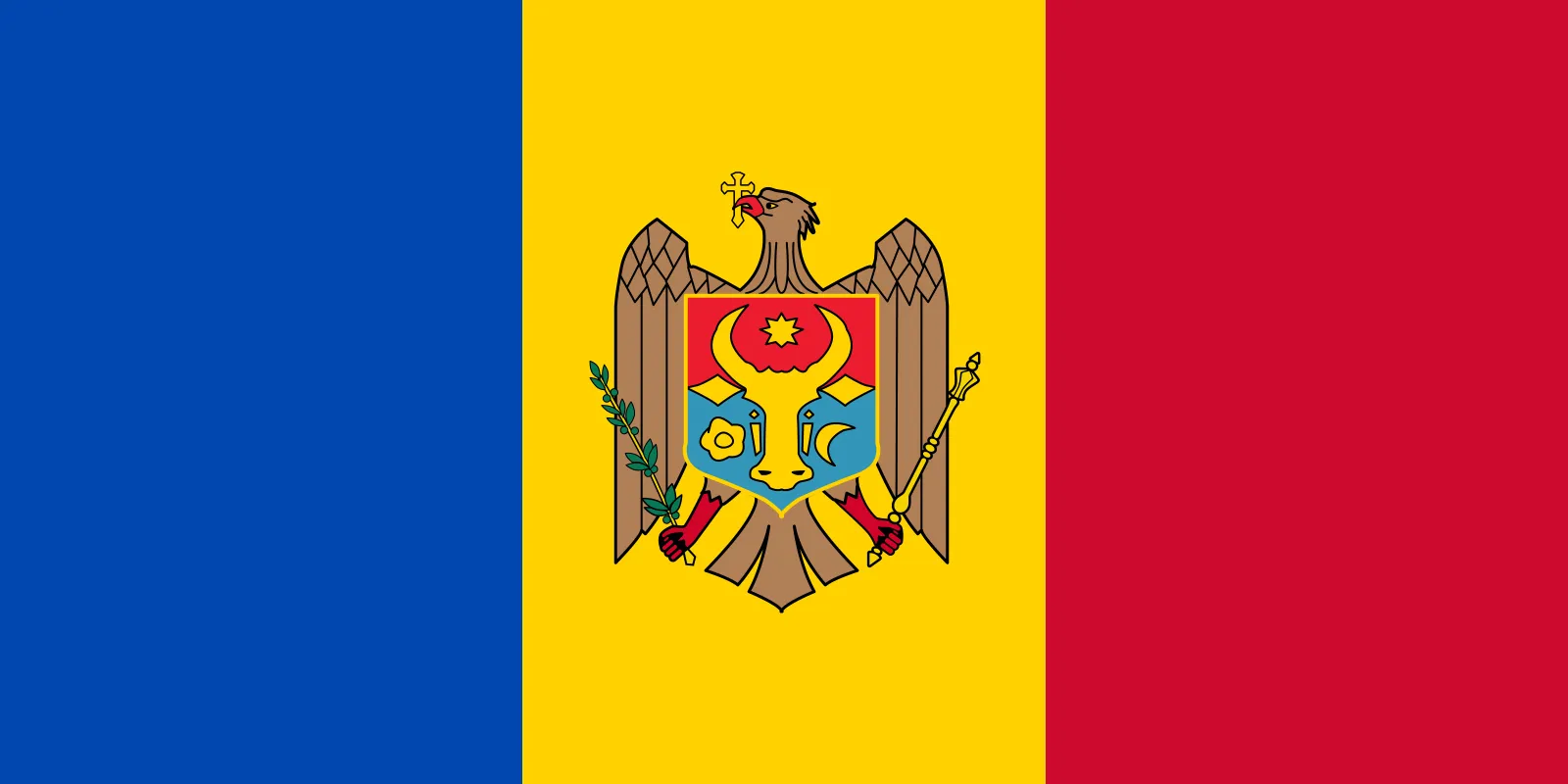
Study in Moldova
Moldova's students can access wider European study opportunities. EU Helpers guides your application to universities across the continent.
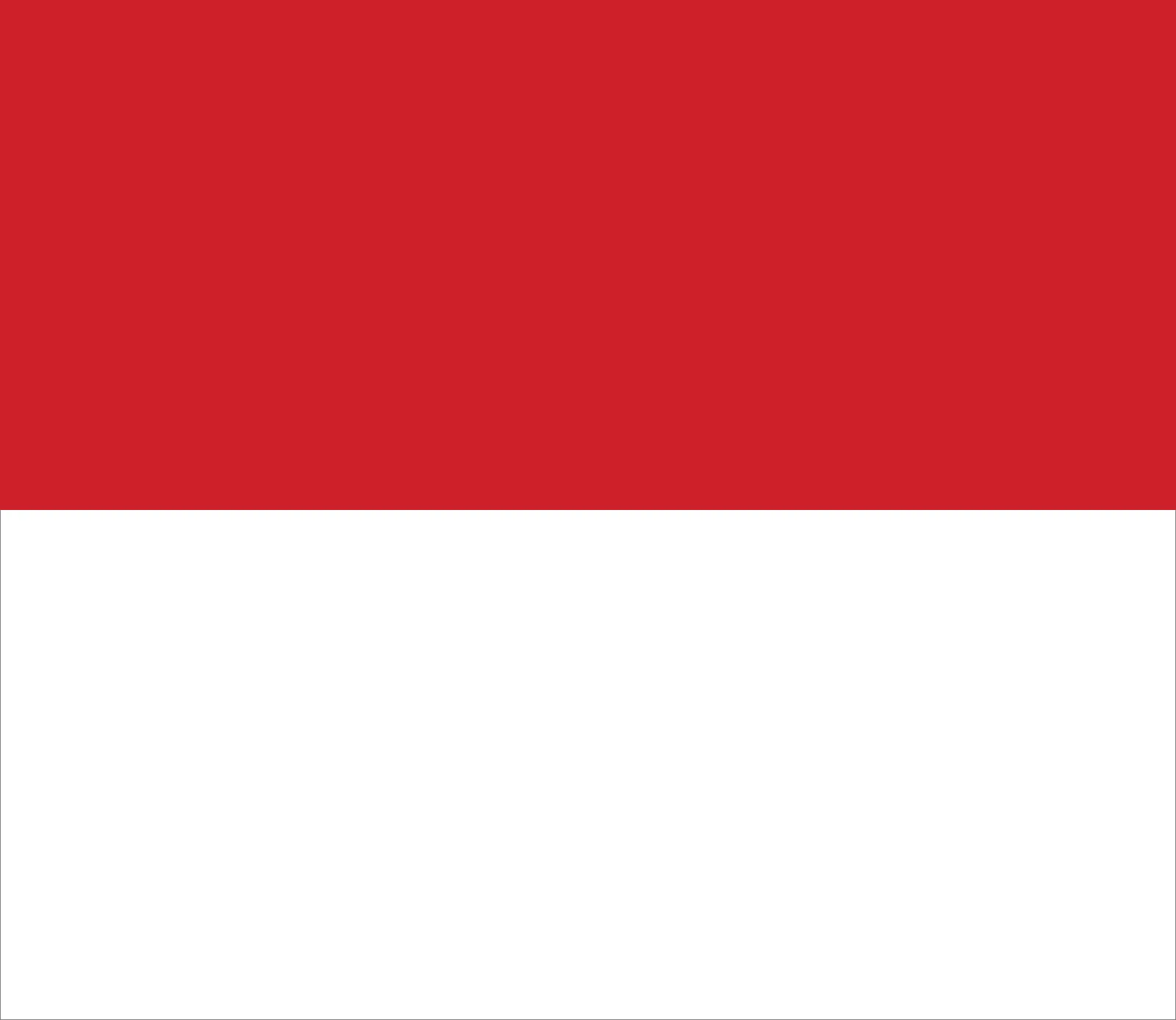
Study in Monaco
Monaco's International University specialises in business and finance degrees. EU Helpers helps you explore admission options there.
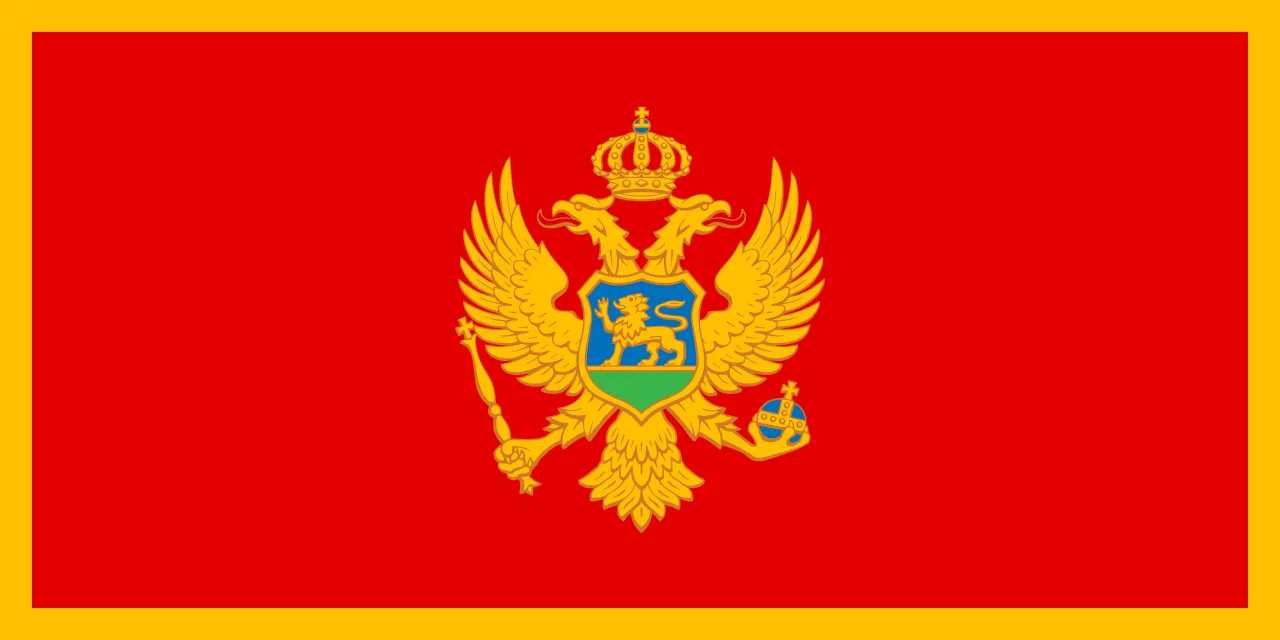
Study in Montenegro
Montenegro's universities are expanding programmes for international students. EU Helpers guides you through the admission and visa process.
Study in Netherlands
The Netherlands offers more English-taught programmes than any other non-English-speaking country. EU Helpers guides you through the admission and visa process.
Study in North Macedonia
North Macedonia offers affordable degrees with a growing international student intake. EU Helpers guides your application and visa process.
Study in Norway
Norway still offers tuition-free programmes at public universities for some international students. EU Helpers guides your application.
Study in Poland
Poland's English-taught medical degrees are world-famous, at some of Europe's lowest living costs. EU Helpers guides your application.
Study in Portugal
Portugal's universities in Porto and Lisbon are expanding English-taught programmes fast. EU Helpers guides you through admission and visa applications.
Study in Romania
Romania offers low-cost degrees in medicine and engineering with EU recognition. EU Helpers guides your application and visa process.
Study in Russia
EU Helpers guides your application and visa process.
Study in San Marino
San Marino's small university offers a close-knit study environment. EU Helpers helps you explore admission options there.
Study in Serbia
Serbia offers affordable degrees with a growing international student community. EU Helpers guides your application and visa process.
Study in Slovakia
Slovakia offers low-cost degrees in medicine and engineering with EU recognition. EU Helpers guides your application and visa process.
Study in Slovenia
Slovenia combines EU-recognised degrees with a lower cost of living. EU Helpers guides your admission and visa application.
Study in Spain
Spain's IE Business School and Barcelona draw thousands of international students yearly. EU Helpers guides your admission and visa.
Study in Sweden
Sweden's KTH and Lund rank in the global top 100. EU Helpers guides your admission and student visa application.

Study in Switzerland
Switzerland's universities rank among the world's best for hospitality and business. EU Helpers guides you through the admission and visa process.
Study in Turkey
Turkey offers affordable degrees and a growing selection of English-taught programmes. EU Helpers guides you through the admission and visa process.
Study in Ukraine
EU Helpers guides your admission and visa process.
Study in UK
The UK offers world-renowned universities with strong post-study work pathways. EU Helpers guides your admission and visa application.
Legal Disclaimer
EU Helpers provides university admissions support, scholarship guidance, and student visa coordination services for international students seeking to study in Europe. Admission decisions are made solely by European universities. Student visa approvals are at the discretion of destination-country embassies and immigration authorities and are not guaranteed. Tuition fees, living costs, scholarship availability, and visa requirements are illustrative and subject to change. By using our service, you agree to our Terms and Privacy Policy.
Ask about EU Helpers on
Frequently Asked Questions
Got questions about studying in Europe as an international student? Below are clear answers to the most common questions about admissions, tuition, scholarships, student visas, working while studying, post-graduation pathways, and applying through EU Helpers.
How do I apply for a European university through EU Helpers?
Visit euhelpers.com/student/registration and submit your profile with your name, country, educational background, preferred field of study, and target country. Our team reviews your profile, matches you with verified European universities, and contacts you within a few business days with suitable programmes.
Which European countries can I study in through EU Helpers?
You can apply for universities in Germany, the Netherlands, Poland, France, Italy, Spain, Portugal, Sweden, Norway, Ireland, Austria, the Czech Republic, Hungary, and other European countries with strong international student programmes.
Do I need to speak the local language to study in Europe?
No, not for most programmes. Thousands of Bachelor's, Master's, and PhD programmes across Europe are taught entirely in English — especially in the Netherlands, Germany, Sweden, Denmark, Ireland, and Italy. Learning the local language during your studies is encouraged but not required for admission.
How much does it cost to study in Europe?
Tuition varies widely. Germany, Norway, and several Austrian programmes charge little to no tuition at public universities. Poland, Italy, and the Czech Republic charge €900–€6,000 per year. The Netherlands and Sweden range from €2,500–€15,000. Ireland charges €10,000–€25,000. Living costs range from €500/month in Poland to €1,800/month in Ireland.
What scholarships are available for international students in Europe?
Major scholarships include Erasmus+, DAAD (Germany), Eiffel Scholarship (France), Holland Scholarship, Stipendium Hungaricum (Hungary), Swedish Institute Scholarships, and university-specific awards. Most cover tuition, monthly stipend, and sometimes travel and insurance.
What documents do I need for a European student visa?
Valid passport (12+ months), Letter of Acceptance from a recognised university, academic transcripts, educational certificates, English language certificate (IELTS/TOEFL), proof of funds (blocked account or scholarship), health insurance, passport photos, motivation letter, recommendation letters, police clearance, and tuition payment proof.
How long does the European student visa process take?
Processing time depends on the country. National Student Visa (Type D) typically takes 4–12 weeks. Schengen Short-Stay (Type C) is faster at 2–4 weeks. Ireland's Stamp 2 visa takes 4–8 weeks. Apply at least 3 months before your intended start date.
Can I work while studying in Europe?
Yes. Most countries allow international students to work part-time during studies and full-time during holidays. Germany: 20 hours/week or 120 full days/year. Netherlands: 16 hours/week. France and Italy: 20 hours/week. Ireland: 20 hours/week during term, 40 hours during holidays. Poland: unlimited.
What English proficiency level do I need?
Most English-taught programmes require IELTS 6.0–7.0 or TOEFL 80–95. Some accept PTE Academic, Cambridge English, or Duolingo English Test scores. Top universities and competitive programmes may require IELTS 7.0+ or equivalent. EU Helpers helps you confirm exact requirements for your chosen programme.
What is the EU Blue Card and how does it relate to studying in Europe?
The EU Blue Card is a work and residence permit for highly qualified professionals after graduation. International students who complete a European degree and find skilled employment above the salary threshold (~€43,000–€56,000/year) can transition from their post-study work visa directly to an EU Blue Card, providing a clear path to permanent residency.
Can I stay in Europe after graduation?
Yes. Most European countries grant a post-study work visa or job-search visa after graduation — typically 9 to 24 months. Germany offers 18 months, the Netherlands 12 months (Orientation Year), and Ireland offers a 24-month Stamp 1G. This time can be used to find skilled employment and transition into a long-term work permit.
Can I bring my family with me to study in Europe?
For most long-term student visas (especially Master's, PhD, and EU Blue Card pathways), yes. Many countries allow family reunification for spouses and dependent children — usually after you've enrolled and provided proof of accommodation and sufficient funds.
What is "proof of funds" and how much do I need?
Proof of funds shows you can support yourself during studies. Amounts vary by country: Germany requires €11,208/year in a blocked account, Netherlands €14,000/year, France €7,500/year, Italy €6,000/year, Ireland €10,000/year. The money must usually be held in a blocked or restricted account, or covered by a verified scholarship.
What if my student visa application is rejected?
Common reasons for rejection are incomplete documents, insufficient proof of funds, weak motivation letter, or doubts about your intent to return home after studies. EU Helpers reviews your documents thoroughly before submission. If rejection happens, we help you re-apply or apply to alternative countries.
How do I get started right now?
Visit euhelpers.com, fill in your profile, and submit. Our student support team will review your background and reach out within a few business days with matched European university options.