
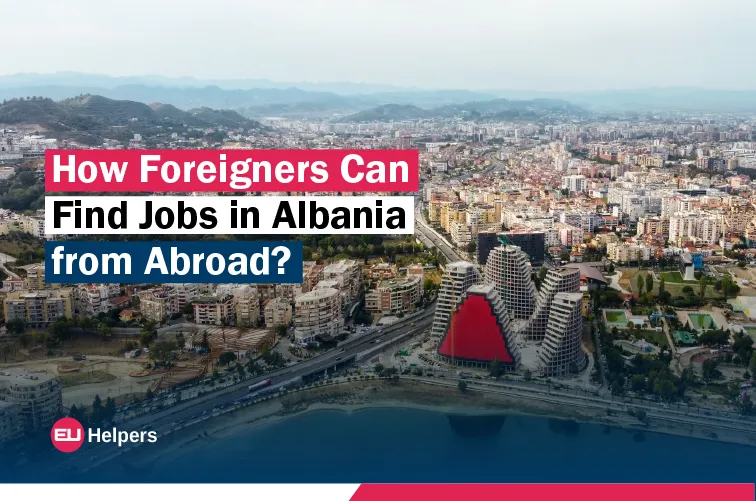

How Foreigners Can Find Jobs in Albania from Abroad — EU Helpers Guide
Albania has emerged as an increasingly interesting destination for foreign workers, combining a rapidly growing economy, EU candidate status with progressing accession negotiations, exceptional natural beauty along the Adriatic and Ionian coastlines, a strategic location at the crossroads of Southeast Europe, and immigration frameworks that have been progressively modernized as Albania prepares for eventual EU membership. As a Western Balkan country with a population of approximately 2.8 million, NATO membership since 2009, and active EU accession negotiations that began formally in 2022 (following the granting of candidate status in 2014), Albania occupies an evolving position in European employment markets. The Albanian economy has been growing substantially in recent years driven by tourism (one of the country's most dynamic sectors with growing visitor numbers attracted by the Albanian Riviera, historic cities like Berat and Gjirokastër, and unspoiled natural beauty); energy production including hydroelectric power (Albania generates substantial electricity from hydropower) and growing renewable energy investments; mining sector including chrome (Albania is one of Europe's largest chrome producers), copper, and other minerals; substantial agricultural production including olive oil, wine, fruits, and vegetables serving both domestic and export markets; construction across major cities particularly Tirana, the rapidly developing capital; manufacturing including textiles, footwear, food processing, and increasingly outsourced manufacturing for European brands; oil and gas production from Albania's own reserves plus the major Trans Adriatic Pipeline (TAP) that crosses Albanian territory; financial services growing in Tirana; substantial diaspora-driven remittances supporting various sectors; and growing technology sector including business process outsourcing and software development services for European clients.
Beyond the economic opportunities, Albania attracts foreign workers and increasingly foreign residents for distinctive reasons. The country offers one of Europe's lowest costs of living combined with exceptional natural beauty including pristine beaches along the Albanian Riviera, dramatic mountain landscapes, ancient cities with UNESCO World Heritage Sites, and a Mediterranean climate. Albanian society is famously welcoming to foreigners, with English widely spoken in tourist and business contexts and Italian widely understood given strong historical and economic ties with Italy. The Albanian diaspora's substantial presence across Italy, Greece, Germany, Switzerland, and other European countries has created international connections that benefit Albanian businesses recruiting expertise. Albania's progressing EU candidate status, while not providing EU benefits yet, signals long-term integration that affects current business and employment patterns. Tirana has emerged as a remarkable digital nomad and lifestyle migration destination, with growing communities of international remote workers attracted by the combination of low costs, Mediterranean climate, English-friendly environment, and improving infrastructure.
The Albanian immigration framework has been progressively modernized as Albania prepares for eventual EU membership. Work permits are required for non-EU citizens (note: EU citizens have specific arrangements through bilateral agreements, though full EU citizenship benefits will only apply after eventual EU membership). The work permit process involves employer initiation, demonstrating that the position cannot be filled locally, meeting specific requirements, and obtaining residence and work authorization. Various visa categories support different worker situations. The specific procedures are administered through the Albanian Ministry of Interior and the National Employment Service.
For foreign workers from countries like Italy, Greece, Germany, the US, UK, India, Turkey, Russia, Ukraine, Serbia, North Macedonia, Kosovo, and others, Albania offers genuinely interesting opportunities particularly in tourism, hospitality, energy sector, technology, business process outsourcing, education (including English-language teaching), and increasingly remote work supported by Albanian residence options.
This EU Helpers guide provides honest information about Albanian employment realities for foreign workers, while recognizing that Albania remains a smaller market with more limited opportunities than major EU destinations. For workers seeking maximum employment scale and accessibility, Western European destinations typically offer more practical pathways. For workers attracted to Albania's distinctive lifestyle benefits, low cost of living, natural beauty, and growing economy, the country provides genuine value with progressing EU integration suggesting positive long-term trajectory.
EU Helpers has supported international applicants in navigating European immigration and employment systems. Always verify the most current rules with official Albanian authorities before submitting any application, as immigration policies continue evolving with EU accession progress.
Why Albania Is an Interesting Destination for Foreign Workers
Albania offers a distinctive combination of growing economy, exceptional lifestyle benefits, low cost of living, and emerging EU integration that makes it genuinely interesting for specific types of foreign workers.
Growing tourism sector
Albanian tourism has been one of the country's fastest-growing sectors with substantial recent investment and rapidly increasing visitor numbers. The Albanian Riviera (running along the Ionian coast with destinations including Saranda, Ksamil, Himara, and Dhërmi) has become an emerging European beach destination. Historic cities including Berat ("the city of a thousand windows"), Gjirokastër (the birthplace of former dictator Enver Hoxha and Nobel laureate Ismail Kadare), and Tirana (rapidly modernizing capital) attract cultural tourists. National parks and mountain regions including the Albanian Alps offer adventure tourism. This growth creates substantial employment in hotels, restaurants, tour operations, transport, retail, and tourism-related services.
Strategic Adriatic and Ionian location
Albania's coastal position with Adriatic and Ionian coastlines provides Mediterranean climate, beach access, and connections to Italy (just 80km across the Adriatic from southern Italy) and Greece. The strategic position supports tourism, logistics, energy infrastructure (including TAP pipeline), and broader economic connections.
Exceptional natural beauty
Albania offers some of Europe's most unspoiled natural environments including pristine beaches, dramatic mountains, ancient forests, and protected areas. This quality of natural environment attracts both tourism and lifestyle migration.
Low cost of living
Albania has one of Europe's lowest costs of living, with substantially lower housing costs than EU countries, affordable food and services, and reasonable healthcare and education costs. For workers from higher-cost countries or those seeking lifestyle migration, Albanian cost of living provides significant advantages.
Substantial energy sector
Albania's hydroelectric power generation, oil and gas production, and growing renewable energy investments create employment in energy sector. The Trans Adriatic Pipeline (TAP) crossing Albanian territory represents major infrastructure with associated employment.
Growing business outsourcing and tech
Albania has developed business process outsourcing capability serving European clients, taking advantage of multilingual workforce (Italian, Greek, English widely spoken), lower cost base, and time zone alignment with European customers. Software development services for European clients are also growing.
English-friendly business environment
English is widely spoken in Albanian business contexts, particularly in tourism, technology, business outsourcing, and international organizations. This English accessibility makes Albania accessible for foreign workers without Albanian language skills initially.
Italian language widely understood
Italian is widely understood in Albania given strong historical, economic, and cultural ties with Italy. This benefits Italian workers considering Albania and creates business connections.
EU candidate status and accession progress
Albania's EU candidate status (granted 2014) and active accession negotiations (formally beginning 2022) signal long-term EU integration. While EU benefits don't yet apply, the trajectory suggests positive long-term direction including eventual EU citizenship rights for those who naturalize.
NATO membership and political stability
Albania has been a NATO member since 2009 with generally stable democratic political institutions, providing security and stability for foreign residents.
Emerging digital nomad destination
Tirana has emerged as a notable digital nomad destination with growing communities of international remote workers attracted by lifestyle, cost, and improving infrastructure. Albania has developed specific arrangements supporting remote workers.
Established foreign communities
Albania has growing communities of foreigners particularly from Italy, Greece, Turkey, and increasingly remote workers from various Western countries. These communities provide cultural support and networking.
Pathway to Albanian residence and citizenship
Long-term residence pathways and eventual citizenship opportunities provide stability for committed foreign workers. With Albania's EU accession progress, Albanian citizenship could eventually provide EU rights though this depends on accession completion timing.
Who Can Apply for Jobs in Albania from Abroad
Albanian accessibility varies by sector and qualifications, with specific opportunities in growing sectors.
Tourism and hospitality professionals
Hotel managers, F&B specialists, chefs, restaurant managers, tour operators, and tourism executives find substantial opportunities given sector growth. International hospitality experience is valued. Albanian hospitality is actively expanding to serve growing visitor numbers.
Energy sector specialists
Specialists in hydroelectric operations, oil and gas (with companies including Bankers Petroleum, Shell historical presence, and others), renewable energy, and pipeline operations (TAP) find specialized opportunities.
Technology and business outsourcing professionals
Software developers, project managers, customer service specialists with European language skills (Italian, Greek, English particularly), and BPO professionals find opportunities in growing technology and outsourcing sector.
Construction and engineering
Construction sector has substantial activity supporting Albanian development. Engineering professionals including civil engineers, architects, and infrastructure specialists find opportunities.
Education and language teaching
English language teachers (often through private schools and language centers), international school teachers, and educational professionals find positions. Italian and other language teachers also find opportunities.
Healthcare professionals
Albanian healthcare sector includes both public and growing private healthcare with opportunities for qualified medical professionals, though qualification recognition and Albanian language proficiency are typically required.
Mining sector specialists
Albania's substantial mining sector (chrome, copper, others) employs international specialists in mining operations, processing, and related services.
NGO and international organization staff
International NGOs and organizations operating in Albania employ various staff. Albania hosts various international development programs.
Diplomatic and international staff
Embassies, consulates, and international missions in Albania employ various staff.
Remote workers using Albanian residence
Various Albanian residence arrangements support remote workers working for foreign employers while residing in Albania.
Entrepreneurs and investors
Albania welcomes foreign investment with various pathways for entrepreneurs starting businesses or investing in Albanian operations.
Understanding the Albanian Work and Residence Permit System
Albanian immigration is administered through the Ministry of Interior and National Employment Service.
Work permit (Leje pune)
Non-EU citizens generally require work permits issued through Albanian employers. The employer initiates the process demonstrating need for foreign worker.
Residence permit (Leje qëndrimi)
Foreign workers receive residence permits typically tied to work authorization. Various categories support different situations.
EU citizens and special arrangements
EU citizens have specific arrangements that have evolved with Albania's EU candidacy. The current procedures continue evolving toward eventual EU membership.
Investment-based pathways
Various pathways support entrepreneurs and investors starting Albanian businesses or making qualifying investments.
Long-term residence
After several years of legal residence (typically 5 years), permanent residence becomes possible.
Albanian citizenship
Albanian citizenship through residence is possible after sustained residence with various conditions including Albanian language. Albanian citizenship would eventually provide EU rights upon Albania's EU accession.
Visa-free arrangements
Albania has visa-free arrangements with many countries for short visits. The visa-free arrangements for various nationalities should be verified with Albanian consular sources.
Step-by-Step Process: Finding a Job in Albania from Abroad
Step 1: Honest self-assessment
Evaluate which Albanian sectors fit your qualifications and interests. Consider whether Albanian cost-of-living lifestyle benefits and emerging economy fit your career goals.
Step 2: Identify suitable Albanian opportunities
Focus on growing sectors including tourism, hospitality, technology, energy, business outsourcing, education, and others matching your background.
Step 3: Build appropriate CV
Albanian recruitment uses CVs in English or Albanian depending on employer. International CV formats are generally acceptable.
Step 4: Apply through legitimate channels
Albanian job portals, employer career pages, LinkedIn, recruitment agencies, and international networks.
Step 5: Interview process
Albanian interviews often combine local and international styles depending on employer.
Step 6: Job offer and work permit application
Employer initiates work permit process through Albanian authorities.
Step 7: Arrival and residence formalities
Complete residence permit procedures after arrival.
Where to Find Real Job Opportunities in Albania
Albanian job portals, LinkedIn (used for professional positions), direct employer career pages for major Albanian employers, international NGO portals (for development positions), and recruitment agencies. You can also explore job seeker support from EU Helpers for guidance on Albanian opportunities and considering whether broader European destinations might better serve specific circumstances.
Documents You Need to Prepare in Advance
Valid passport, educational certificates (with translations as needed), professional certifications, employment history documentation, language certificates, criminal background check, medical certificate, and other supporting materials. Document apostille requirements vary by document and use.
Salary Expectations and Cost Breakdown
Albanian salaries are substantially lower than EU averages but combined with low cost of living provide reasonable purchasing power. Tourism, technology, and senior positions typically pay more than general positions. Cost of living is among Europe's lowest with affordable housing, food, transport, and services. For foreign workers maintaining international compensation while residing in Albania (remote workers, expatriate positions), cost arbitrage provides exceptional value.
Rights and Benefits of Working in Albania
Albanian labor law provides employment protections though enforcement and benefits differ from EU standards. Healthcare access through Albanian system or private insurance. Education access for dependent children. Working conditions vary by employer with multinational employers typically offering better terms than purely domestic operations.
Sector-by-Sector Opportunities
Tourism and hospitality across Albanian Riviera and major cities. Energy sector including hydroelectric, oil and gas, renewable energy. Technology and business outsourcing in Tirana. Construction supporting Albanian development. Education and language teaching. Healthcare for qualified professionals. Mining sector. NGO and international development.
Common Mistakes and Refusal Reasons
Underestimating Albanian language importance for many sectors (though English suffices for some), choosing wrong sector fit, paying fees to unverified agents, document preparation issues, and underestimating compensation differences from EU norms.
How EU Helpers Supports Albanian Job Seekers
EU Helpers provides guidance about Albanian opportunities including realistic assessment of sectors, helps evaluate whether Albanian opportunities fit your circumstances, supports document preparation, and helps consider whether broader European destinations might better serve specific employment goals.
Legal Notes and Important Disclaimers
Albanian immigration and employment rules continue evolving with EU accession progress. This article is informational and educational, not legal advice. Verify current rules through official Albanian sources.
Final Guidance
Finding a job in Albania from abroad is genuinely possible particularly in growing sectors including tourism, technology, energy, business outsourcing, education, and others matching specific qualifications. Albania offers distinctive value combining growing economy, exceptional natural beauty, low cost of living, English-friendly business environment for many sectors, NATO and EU candidate status, and emerging digital nomad culture in Tirana.
For workers attracted to Albania's distinctive benefits including Mediterranean climate, low costs, lifestyle quality, and progressing EU integration, Albania provides genuine opportunities particularly for tourism, technology, education, and remote work categories. For workers seeking maximum employment scale, EU citizenship pathway timelines, or specific industries not strongly represented in Albania, Western European destinations may offer more practical opportunities.
If you are exploring international career options in Europe, you can begin with structured job seeker support from EU Helpers for guidance on whether Albanian opportunities fit your circumstances or whether broader European destinations better serve your career goals.
FAQs
Yes, foreigners can find jobs in Albania particularly in growing sectors including tourism (rapidly expanding given Albania's emerging Riviera destinations and historic cities), technology and business outsourcing (serving European clients), energy sector (hydroelectric, oil and gas, renewable), education and language teaching, and various other sectors. Albanian accessibility for foreign workers is generally good though the market is smaller than major EU destinations. For workers attracted to Albania's lifestyle benefits, low cost of living, and growing economy, opportunities exist particularly through proper work permit pathways.
Albania is not yet an EU member but has been an EU candidate since 2014 with active accession negotiations beginning formally in 2022. The accession process is ongoing and may take years to decades to complete. Currently Albanian residence doesn't provide EU rights, but Albanian EU membership would eventually change this. The accession trajectory signals positive long-term integration direction.
For many international positions in tourism, technology, business outsourcing, and international organizations, English is sufficient. Italian is widely understood given strong ties with Italy. Albanian becomes important for broader integration, healthcare, customer-facing local positions, and many domestic sector roles. Investing in Albanian language enhances opportunities and integration. The level of language requirement depends significantly on specific sector and role.
Tourism and hospitality (rapidly growing sector), technology and business outsourcing serving European clients, energy sector including hydroelectric and oil and gas, education and language teaching (particularly English), construction supporting Albanian development, healthcare for qualified professionals with Albanian language, mining sector specialists, NGO and international development work, and various other sectors depending on specific qualifications.
For non-EU citizens, Albanian work permits are typically initiated by Albanian employers demonstrating need for foreign worker. The process involves application through Albanian authorities, supporting documentation, and obtaining residence and work authorization. Specific procedures continue evolving with EU accession progress. The work permit must be obtained before beginning Albanian employment.
Albania has one of Europe's lowest costs of living with substantially lower housing costs, affordable food and services, and reasonable healthcare and education costs compared to EU countries. Tirana is the most expensive Albanian city but still substantially cheaper than EU capitals. Coastal tourist areas can be more expensive during summer season. For foreign workers with international income or maintaining substantial savings, Albanian cost of living provides exceptional value.
Albanian work permit processing times vary but typically several months from application to decision. Planning for several months from job offer to actual Albanian work start is realistic. Processing efficiency continues improving with EU accession-related reforms but specific timelines should be verified through current Albanian sources.
Yes, Albanian residence pathways generally support family reunification with spouses and dependent children. Specific procedures and requirements should be verified through current Albanian sources. Family members access Albanian healthcare and education services as residents.
This depends significantly on your specific goals. For workers seeking maximum employment scale and immediate EU citizenship pathways, Western European destinations (Germany, France, Spain, Portugal, others) offer more substantial opportunities. For workers attracted to Albania's specific benefits including lifestyle, cost arbitrage, growing economy, English-friendly environment, and emerging digital nomad culture, Albania provides genuine value. EU Helpers can help evaluate which approach fits your circumstances.
Albanian salaries are substantially lower than EU averages but vary significantly by sector and position. International positions in tourism, technology, energy, and senior management offer competitive compensation by Albanian standards. Combined with low cost of living, even modest international salaries provide good purchasing power. For remote workers maintaining international compensation while residing in Albania, cost arbitrage provides exceptional value.
Tirana has emerged as a notable digital nomad destination with growing communities of international remote workers. Albania has developed specific arrangements supporting remote workers including residence options for those working for foreign employers while residing in Albania. The combination of low costs, Mediterranean climate, English-friendly environment, and improving infrastructure makes Albania attractive for digital nomad lifestyle.
Yes. After several years of legal residence with proper authorization, permanent residence becomes possible. Albanian citizenship through residence is possible with various conditions including Albanian language. With Albania's progressing EU accession, Albanian citizenship would eventually provide EU rights upon Albania's EU membership completion.
Albania is generally safe with stable rule of law, NATO membership since 2009, and welcoming attitude toward foreigners. The country has substantially improved security and stability since the difficult transition period of the 1990s. Foreign communities have grown substantially with positive integration experiences. As anywhere, basic awareness is recommended particularly in some areas.
Italian is widely understood in Albania given strong historical, economic, and cultural ties with Italy. Italian businesses operate substantially in Albania. Italian workers find Albania particularly accessible given language familiarity. For other foreign workers, knowing Italian provides advantages in Albanian business contexts.
EU Helpers provides guidance about Albanian opportunities including realistic assessment of sectors and accessibility, helps evaluate whether Albanian opportunities fit your specific circumstances, supports document preparation, and helps consider whether broader European destinations might better serve specific employment goals. For workers attracted to Albania's distinctive benefits, EU Helpers helps navigate Albanian pathways. For workers seeking maximum employment scale and immediate EU benefits, EU Helpers helps identify appropriate Western European destinations.