
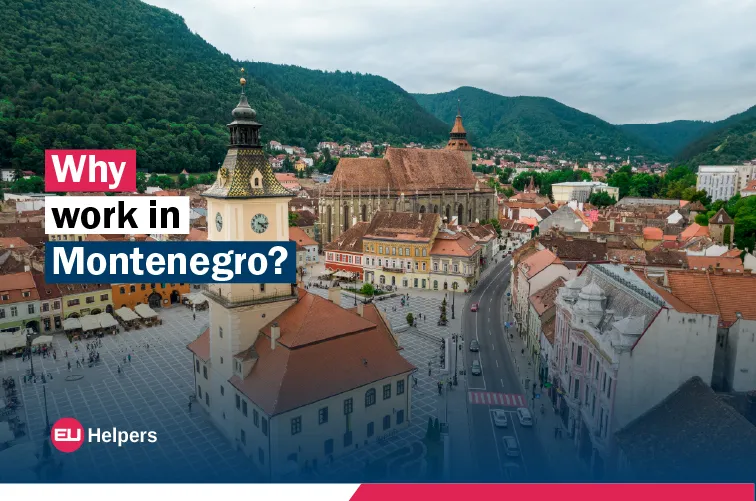

Why Work in Montenegro? A Complete EU Helpers Guide for International Professionals
Montenegro, the dynamic Southeast European nation on the Adriatic Sea bordering Croatia, Bosnia and Herzegovina, Serbia, Kosovo, and Albania, has been steadily emerging as one of Europe's most attractive emerging destinations for international professionals, tourism and hospitality specialists, yachting and maritime professionals, IT and tech specialists, lifestyle migrants, retirees, founders, and entrepreneurs seeking a combination of advanced EU accession progress, stunning Adriatic coastline, use of euro currency, accessible cost of living, and Mediterranean lifestyle. As an official European Union candidate country in advanced accession negotiations (one of the most advanced EU candidate countries, having opened all 33 negotiation chapters and closed several, with EU membership potentially achievable within this decade), a NATO member (since 2017), a Council of Europe member, and a country that uses the euro as currency (despite not being a formal eurozone member, Montenegro adopted the euro unilaterally), Montenegro offers a genuinely interesting combination of characteristics. The capital Podgorica (the modern administrative and business capital), and especially the stunning coastal cities Budva (a major tourism destination with a beautiful Old Town), Kotor (with its UNESCO-listed Old Town and breathtaking Bay of Kotor — often called Europe's southernmost fjord), Herceg Novi (a charming coastal town near the Croatian border), Tivat (home to Porto Montenegro luxury yachting marina, one of the Mediterranean's premier superyacht destinations), Bar (the main port), and the historic former royal capital Cetinje, hosts businesses across various sectors. For applicants from anywhere considering Montenegro, the country offers structured immigration pathways including distinctive routes like residence based on real estate ownership. At EU Helpers, candidates regularly ask the fundamental question: why should I consider Montenegro specifically?
This complete EU Helpers guide answers that question in depth and walks you through the genuine, practical, and long-term reasons that make Montenegro one of Europe's most uniquely attractive emerging destinations. Whether you are considering a salaried role under the standard temporary residence and work permit, self-employment routes, investor routes, the distinctive residence based on real estate ownership, family-based residence, or other pathways, this article walks you through everything you need to know — from the stunning Adriatic coastline and accessible cost of living to advanced EU accession status, use of euro, luxury yachting culture, growing tourism, warm Montenegrin hospitality, and emerging opportunities.
Why Montenegro Is Genuinely Worth Considering
Montenegro occupies an unusually attractive position in Europe — small but distinctive, beautiful with Adriatic coastline, advancing toward EU membership, and already using the euro.
Advanced EU Accession Progress
Montenegro is one of the most advanced EU candidate countries, having opened all 33 negotiation chapters and closed several. EU membership is potentially achievable within this decade. This advanced status distinguishes Montenegro from many regional peers.
Use of Euro Currency
Montenegro uses the euro as its currency despite not being a formal eurozone member, providing the convenience of using the same currency as most major European economies.
NATO Member
Montenegro joined NATO in 2017, providing security and strategic alignment with Western institutions.
Stunning Adriatic Coastline
Montenegro's Adriatic coastline is genuinely spectacular, with destinations like Kotor (with the breathtaking Bay of Kotor, a UNESCO site), Budva (the Budva Riviera with beautiful beaches), Herceg Novi, Tivat, and Sveti Stefan (the iconic fortified island village).
Beautiful Mountain Landscapes
Beyond the coast, Montenegro offers stunning mountain landscapes including Durmitor National Park (UNESCO site, with the Tara River Canyon, Europe's deepest), Lovćen National Park (featuring the Njegoš Mausoleum), Biogradska Gora National Park, and the rugged mountains that gave the country its name (Montenegro means "Black Mountain").
Accessible Cost of Living
Montenegro has a lower cost of living than Western European countries, providing attractive purchasing power.
Distinctive Real Estate-Based Residence
Montenegro offers a distinctive pathway for residence based on real estate ownership, making it accessible for those investing in Montenegrin property.
Top Financial Reasons to Consider Montenegro
The financial rationale for working or residing in Montenegro centers around accessible cost of living, euro currency convenience, and emerging opportunities.
Accessible Cost of Living
Montenegro has a lower cost of living than Western European countries, with affordable housing (particularly outside prime coastal areas during summer), food, services, and transportation.
Growing Salary Levels in Key Sectors
While Montenegrin salaries are generally lower than EU averages, they have been gradually rising and are competitive for the region, particularly in IT, senior management, and luxury tourism.
Euro Currency Convenience
Montenegro uses the euro, providing currency stability and convenience for European business and personal matters.
Favorable for International Income Earners
For digital nomads, remote workers, and others earning international incomes, Montenegro's combination of accessible arrangements, use of euro, and accessible cost of living creates attractive value.
Strong Wages in Luxury Tourism and International Operations
Luxury tourism operations, Porto Montenegro and the yachting sector, and international companies typically offer competitive compensation packages.
Lifestyle and Quality-of-Life Benefits
Beyond financial considerations, Montenegro offers a lifestyle that appeals to those who value Mediterranean character, natural beauty, and emerging opportunity.
Stunning Adriatic Coastline
Montenegro's coastline is genuinely spectacular, with diverse destinations from the dramatic Bay of Kotor to the Budva Riviera, Sveti Stefan, Herceg Novi, and Ulcinj (in the south, near Albania).
UNESCO-Listed Kotor
Kotor is one of Europe's most beautiful towns, featuring a stunning medieval old town within ancient walls, located at the head of the spectacular Bay of Kotor (often called Europe's southernmost fjord), with surrounding mountains creating a dramatic setting.
Vibrant Budva
Budva is Montenegro's major tourism destination, featuring a beautiful medieval Old Town, the Budva Riviera with beautiful beaches, vibrant nightlife, and various luxury developments.
Tivat and Porto Montenegro
Tivat hosts Porto Montenegro, one of the Mediterranean's premier superyacht destinations, with luxury marina, restaurants, shopping, and residential developments. This has transformed Tivat into a major luxury destination.
Sveti Stefan
Sveti Stefan, the iconic fortified island village connected to the mainland by a narrow isthmus, is one of Montenegro's most recognizable landmarks and a luxury resort destination.
Stunning Mountain Landscapes
Montenegro offers exceptional mountain landscapes including Durmitor National Park (with the Tara Canyon, Europe's deepest), Lovćen National Park, Biogradska Gora, and the Albanian Alps shared with northern Albania.
Distinctive Montenegrin Cuisine
Montenegrin cuisine combines Mediterranean, Balkan, Italian, and Ottoman influences. Coastal cuisine features fresh seafood. Mountain cuisine includes specialties like Njeguški pršut (a famous prosciutto from Njeguši village), cheese, and traditional meat dishes. Wine production is also notable.
Mediterranean and Mountain Climate
Montenegro has a Mediterranean climate along the coast (warm sunny summers, mild winters with abundant sunshine) and continental/alpine climate in mountain areas. The coastal climate is genuinely exceptional.
Generally Safe
Montenegro is generally safe for foreign residents with relatively low crime rates.
Growing International Community
Montenegro's growing tourism, real estate investment, and emerging international visibility have created growing international communities, particularly in coastal areas.
Affordable Lifestyle Possibilities
Montenegro makes lifestyle options accessible — apartments in cities, coastal properties, dining at quality restaurants, and a generally relaxed Mediterranean lifestyle are all genuinely affordable by Western European standards.
Career Growth and Professional Opportunities
Montenegro's career environment is emerging and offers opportunities particularly in growing sectors.
Opportunities in Tourism and Hospitality
For tourism professionals, Montenegro's growing tourism sector creates substantial opportunities.
Opportunities in Luxury Yachting
For yachting professionals, Porto Montenegro and the broader yachting sector create specialized opportunities.
Opportunities in Real Estate
Montenegro's growing real estate market, supported by international demand and the residence based on real estate ownership pathway, creates real estate opportunities.
Opportunities in IT
Montenegro's growing IT sector offers expanding opportunities.
Opportunities for Entrepreneurs
Montenegro offers accessible routes for entrepreneurs and self-employed professionals.
Limited but Distinctive Opportunity Set
It is important to acknowledge that Montenegro's job market is concentrated in specific sectors. Montenegro is often more attractive for tourism professionals, yachting specialists, lifestyle migrants using the real estate residence pathway, entrepreneurs, and digital nomads than for those seeking conventional salaried employment.
Residency, Work Permit, and Legal Benefits
Working or residing legally in Montenegro comes with structured immigration pathways and the distinctive real estate residence option.
Distinctive Real Estate-Based Residence
Montenegro offers a distinctive pathway for residence based on real estate ownership, making it accessible for those investing in Montenegrin property. This is one of Montenegro's most attractive features.
Structured Permit System
Montenegro offers structured immigration pathways including the temporary residence and work permit for salaried employees, the temporary residence permit for various purposes, the permanent residence permit, self-employment routes, investor routes, family reunification provisions, and the seasonal worker permit.
Family Reunification
Montenegro allows qualifying residents to bring close family members.
Pathway to Long-Term Residency
After qualifying continuous residence, foreign nationals may become eligible for permanent residence.
EU Accession Dynamics
Montenegro's advanced EU accession progress may lead to EU membership within this decade, which would transform the country's status and create EU citizenship implications for Montenegrin citizens.
Healthcare, Education, and Social Benefits
Montenegrin public services are developing as part of the country's broader modernization.
Healthcare System
Montenegro has a healthcare system providing coverage, with both public and private healthcare options.
Educational System
Montenegro offers a public educational system, with growing international schools available in major cities.
Social Protections
Registered workers benefit from contributions toward social protections through the Montenegrin social security system.
Practical Considerations for Working or Residing in Montenegro
While Montenegro offers compelling benefits, applicants should also understand some practical considerations.
Emerging Economy
Montenegro remains an emerging economy with different infrastructure standards and business norms compared to Western European countries.
Tourism Seasonality
The coastal tourism economy is seasonal, with significant summer activity and quieter winter periods.
Language Considerations
Montenegrin is the official language. Serbian, Bosnian, Croatian, and Albanian also have official status in certain contexts (the South Slavic languages are largely mutually intelligible). English is increasingly used in tourism and international business.
Bureaucratic Considerations
Montenegrin bureaucracy can sometimes be challenging compared to Western European countries, though this is improving as part of EU accession reforms.
Required Documents and Step-by-Step Overview of Working in Montenegro
While exact requirements depend on the specific route, the general approach involves several key elements.
Typical Documents Needed
Applicants usually need a valid passport, police clearance certificates, medical certificates where required, proof of qualifications and experience, a formal job offer or qualifying ground, employer documentation, accommodation evidence, valid health insurance, and proof of financial means. Translations into Montenegrin and apostille or legalization of foreign public documents are commonly required.
General Step-by-Step Process
The process typically starts with securing a qualifying ground, preparing documentation, submitting applications through the Ministry of Interior, and receiving the relevant permits.
Practical Tips for International Applicants Considering Montenegro
Considering Montenegro is rewarding, but realistic preparation makes the difference.
Tips From EU Helpers for Considering Montenegro
Carefully evaluate which route best matches your profile, with particular attention to real estate-based residence for lifestyle migrants. For employment routes, identify Montenegrin employers in tourism, yachting, IT, and growing sectors. For self-employment, prepare credible business plans. Take advantage of Montenegro's beautiful coastline and accessible cost of living. Plan housing carefully. Consider EU accession dynamics for long-term planning. Always rely on the latest official guidance from Montenegrin authorities.
Final Guidance
Why work or reside in Montenegro? Because few European destinations offer such a unique mix of stunning Adriatic coastline (with UNESCO-listed Kotor, Budva Riviera, Sveti Stefan), advanced EU accession status (one of the most advanced candidate countries, with EU membership potentially achievable within this decade), use of euro currency (despite not being a formal eurozone member), NATO membership, beautiful mountain landscapes (Durmitor National Park, Lovćen, Biogradska Gora), luxury yachting destination (Porto Montenegro), distinctive residence based on real estate ownership, accessible cost of living, growing tourism opportunities, warm Mediterranean hospitality, Montenegrin cuisine (particularly coastal seafood and mountain specialties like Njeguški pršut), and emerging opportunities. For international professionals seeking accessible European entry with Mediterranean lifestyle, tourism and yachting professionals, lifestyle migrants using the real estate residence pathway, retirees seeking accessible Mediterranean residence, or those drawn to Montenegro's distinctive culture and natural beauty, Montenegro stands out as one of Europe's most genuinely attractive emerging destinations. EU Helpers supports international applicants at every stage. If Montenegro is on your radar as a future destination, EU Helpers can help you move forward with clarity, confidence, and the latest accurate information.
FAQs
Montenegro offers a unique combination of stunning Adriatic coastline, advanced EU accession status, use of euro currency, NATO membership, beautiful mountain landscapes, luxury yachting destination (Porto Montenegro), distinctive residence based on real estate ownership, accessible cost of living, growing tourism opportunities, warm Mediterranean hospitality, and emerging opportunities.
No. Montenegro is not currently a member of the European Union, but it is one of the most advanced EU candidate countries, having opened all 33 negotiation chapters and closed several, with EU membership potentially achievable within this decade. Montenegro is also a NATO member (since 2017) and a Council of Europe member.
No. Montenegro is not a member of the Schengen Area, though it has visa-free arrangements with many countries.
Montenegro uses the euro as its currency, despite not being a formal eurozone member. Montenegro adopted the euro unilaterally.
Montenegro offers a distinctive pathway for residence based on real estate ownership in Montenegro. Foreign nationals who purchase qualifying real estate in Montenegro may obtain temporary residence based on this ownership, making it accessible for lifestyle migrants and those seeking accessible European residence through property investment.
Kotor is famous for its UNESCO-listed Old Town and the breathtaking Bay of Kotor (often called Europe's southernmost fjord). The town is surrounded by ancient walls and dramatic mountains, creating one of Europe's most stunning settings.
Porto Montenegro is a luxury yachting marina and residential development in Tivat, Montenegro. It has become one of the Mediterranean's premier superyacht destinations.
Sveti Stefan is the iconic fortified island village connected to the mainland by a narrow isthmus. It is one of Montenegro's most recognizable landmarks and a luxury resort destination.
Montenegro has a lower cost of living than Western European countries, with affordable housing (particularly outside prime coastal areas during summer), food, services, and transportation. The use of euro provides convenience.
Yes. Montenegro is generally safe for foreign residents with relatively low crime rates.
Montenegro has a Mediterranean climate along the coast (warm sunny summers, mild winters with abundant sunshine) and continental/alpine climate in mountain areas. The coastal climate is genuinely exceptional.
Montenegrin is the official language. Serbian, Bosnian, Croatian, and Albanian also have official status in certain contexts (the South Slavic languages are largely mutually intelligible). English is increasingly used in tourism and international business.
The Bay of Kotor is a winding bay of the Adriatic Sea in southwestern Montenegro, often called Europe's southernmost fjord (though it's technically a ria). It is one of Europe's most beautiful natural settings and a UNESCO World Heritage Site (the natural and cultural area).
Yes, particularly in tourism and hospitality, luxury yachting (Porto Montenegro), real estate, IT, international companies, and specialized professional services. Montenegro is often more attractive for tourism professionals, yachting specialists, lifestyle migrants, and entrepreneurs than for those seeking conventional salaried employment.
Montenegro has UNESCO sites including the Natural and Culturo-Historical Region of Kotor, Durmitor National Park, the Stećci Medieval Tombstones Graveyards (shared with neighboring countries), and the Venetian Works of Defence between the 16th and 17th Centuries.
Yes. Montenegro's tourism sector has been growing significantly, particularly luxury tourism along the Adriatic coast and mountain destinations.
Yes. Family members of Montenegrin citizens or qualifying foreign residents may obtain residence permits through family reunification provisions.
After qualifying continuous residence, foreign nationals may become eligible for permanent residence. Montenegrin citizenship by naturalization typically requires additional qualifying residence and meeting specific requirements.
Coastal Montenegro has a Mediterranean climate with warm sunny summers (peak season for tourism) and mild winters with abundant sunshine. This climate is one of Montenegro's most appealing features.
Yes. Montenegro is increasingly attractive for retirees seeking accessible Mediterranean residence with use of euro, beautiful coastline, accessible cost of living, and the distinctive real estate-based residence pathway.
EU Helpers supports international applicants with eligibility assessment, route selection (including real estate-based residence for lifestyle migrants, employment routes, self-employment, investor options, and family-based pathways), document preparation, employer or business coordination, and clarity on the latest official requirements. The goal is to help you approach the Montenegrin residence and work process with accurate, practical, and up-to-date information tailored to your specific profile.