

Why Work in Hungary? A Complete EU Helpers Guide for International Professionals
Hungary, the dynamic Central European nation in the Carpathian Basin bordering Slovakia to the north, Ukraine to the northeast, Romania to the east, Serbia to the south, Croatia to the southwest, Slovenia to the west, and Austria to the west, occupies an attractive position in Central Europe for those seeking the combination of full EU and Schengen integration (Hungary joined the EU in 2004 in the largest EU enlargement to date, Schengen in 2007, NATO in 1999 alongside Poland and the Czech Republic in the first post-Cold War NATO enlargement, and the Council of Europe in 1990 after the fall of the communist regime — though Hungary is NOT in the eurozone, using the Hungarian forint — HUF as its currency), strategic Central European location in the Carpathian Basin (a distinctive geographic feature where the Danube and Tisza rivers create the fertile Hungarian Plain), significant automotive industry (Hungary has one of Central Europe's most significant automotive manufacturing sectors with major plants from Audi in Győr — Audi Hungaria being one of Hungary's largest employers, Mercedes-Benz in Kecskemét, BMW building a major new plant in Debrecen, Suzuki in Esztergom, and various suppliers), emergence as a major European battery manufacturing hub (Hungary has emerged as one of Europe's most significant battery production countries with major facilities including the Chinese CATL battery plant in Debrecen — one of the world's largest battery plants outside Asia, Samsung SDI in Göd, SK Innovation in Komárom — making Hungary central to Europe's EV battery supply chain), growing IT sector (Budapest has developed a notable tech ecosystem with growing international tech company presence), distinctive Hungarian culture and language (Hungarian/Magyar is a Uralic language related to Finnish and Estonian — making it one of the few non-Indo-European languages in Europe and one of the world's more challenging languages for foreign learners, with distinctive features including agglutinative grammar and unique vocabulary not shared with neighboring Slavic, Germanic, or Romance languages), rich cultural heritage including notable UNESCO World Heritage Sites (the Budapest historic banks of the Danube — including the Buda Castle Quarter and Andrássy Avenue making Budapest one of Europe's most beautiful cities, Hollókő traditional village with its distinctive Palóc folk architecture, the Caves of Aggtelek Karst and Slovak Karst shared with Slovakia, Hortobágy National Park — the Great Hungarian Plain puszta representing one of Europe's largest grassland ecosystems, the Early Christian Necropolis of Pécs, the Fertő/Neusiedlersee Cultural Landscape shared with Austria, the Tokaj Wine Region historic cultural landscape recognizing one of the world's oldest wine regions, and the Millenary Benedictine Abbey of Pannonhalma — one of Hungary's most important religious sites founded in 996), distinctive Hungarian thermal bath tradition (Hungary has more thermal springs than almost any other country in the world, with Budapest being known as the "City of Spas" — one of the few capital cities with significant thermal springs, with famous thermal baths including Széchenyi — Europe's largest medicinal bath and one of Budapest's most iconic experiences, Gellért — the iconic Art Nouveau bath built in 1918, Rudas — historic Ottoman-era bath from the 16th century, Király — Ottoman-era bath, and many others), exceptional cuisine (famous internationally for paprika — Hungary is one of the world's largest paprika producers and the spice is central to Hungarian cooking, goulash — gulyás being Hungary's national dish, Hungarian salami including the famous Pick salami and Herz salami, Hungarian sausages, lángos — the famous Hungarian deep-fried flatbread, dobos torte — the iconic layered Hungarian cake invented in 1884, kürtőskalács — the traditional chimney cake, and many others), exceptional Hungarian wine tradition (with the famous Tokaji Aszú — one of the world's oldest sweet wines, called the "wine of kings, king of wines" by Louis XIV of France, plus the famous Egri Bikavér — "Bull's Blood of Eger" red wine, and many other distinctive Hungarian wines from the 22 wine regions), distinctive folk traditions (including the famous Matyó embroidery and Busó festivities of Mohács — both UNESCO recognized as Intangible Cultural Heritage, plus rich folk music tradition including the famous Hungarian folk dance — Verbunkos and Csárdás), exceptional Hungarian scientific tradition (Hungary has produced an extraordinary number of Nobel laureates and significant scientific figures relative to its population, including 13 Nobel laureates, with famous Hungarian-born scientists including John von Neumann — pioneer of computer science, Edward Teller — physicist, Eugene Wigner — Nobel physicist, Albert Szent-Györgyi — Nobel laureate who discovered Vitamin C, and many others — the so-called "Martian" scientists who shaped 20th-century science), accessible cost of living relative to Western European EU averages, exceptional Hungarian creative tradition (including world-famous composers like Franz Liszt — one of the greatest pianists of all time, Béla Bartók — pioneer of ethnomusicology and modernist composition, Zoltán Kodály — composer and educator, and many others), the historical heritage of having been a major European power including the Kingdom of Hungary (founded by Saint Stephen in 1000 AD), the Austro-Hungarian Empire (1867-1918 — when Hungary was a major European power with Budapest being one of Europe's most important cities), the post-WWI Treaty of Trianon of 1920 (which dramatically reduced Hungarian territory by about two-thirds, leaving substantial Hungarian populations outside Hungary in neighboring countries — a fact that continues to shape Hungarian identity and politics), the communist period (1945-1989), the 1956 Hungarian Revolution (one of the most significant anti-communist uprisings of the Cold War), the peaceful transition to democracy in 1989-1990, and modern Hungary as an EU and NATO member, distinctive Hungarian hospitality, exceptional Budapest as one of Europe's most beautiful cities, and significant Hungarian diaspora connections (with substantial Hungarian communities in Romania — particularly Transylvania with about 1.2 million ethnic Hungarians representing one of the largest national minorities in Europe, Slovakia, Serbia — Vojvodina, Ukraine — Transcarpathia, the US — with about 1.4 million Americans of Hungarian descent particularly in Cleveland, New York, and other cities, Canada, Australia, and many other countries). With a population of approximately 9.6 million and covering about 93,030 square kilometers, Hungary has firmly established itself as one of the most distinctive Central European EU destinations. The capital Budapest (often called the "Pearl of the Danube" and one of Europe's most beautiful cities, formed by the unification of Buda, Pest, and Óbuda in 1873, with iconic landmarks including the Hungarian Parliament Building — one of Europe's largest parliament buildings inaugurated in 1902 and an iconic Budapest landmark featured on the Hungarian 20,000 forint note, the Buda Castle and Castle Hill — UNESCO listed historic district with stunning views of the Danube and Pest side, the Fisherman's Bastion — Halászbástya with its distinctive seven turrets representing the seven Magyar tribes that founded Hungary in 895 AD, the iconic Chain Bridge — Széchenyi Lánchíd — Budapest's first permanent bridge inaugurated in 1849 and one of Budapest's most iconic symbols, the Hungarian State Opera House — one of the world's most beautiful opera houses, St. Stephen's Basilica — Hungary's largest church and home of the sacred relic of King Saint Stephen, Heroes' Square — Hősök tere with the Millennium Monument celebrating Hungary's 1000-year history, the famous thermal baths including Széchenyi Bath — Europe's largest medicinal bath and Gellért Bath — built in 1918 in Art Nouveau style, the historic Great Market Hall — Központi Vásárcsarnok the largest indoor market in Budapest, the iconic Andrássy Avenue — UNESCO listed elegant boulevard often compared to the Champs-Élysées, the Dohány Street Synagogue — the largest synagogue in Europe and second largest in the world, Margaret Island — beautiful island in the Danube with parks and historic ruins, the Hungarian National Museum, the historic Café New York — one of Europe's most beautiful coffee houses, and the famous Hungarian café culture with many traditional Budapest coffee houses), along with Debrecen (Hungary's second-largest city in eastern Hungary, home to BMW's new major automotive plant under construction and the CATL battery plant — one of the world's largest battery plants outside Asia, with notable cultural heritage as the "Calvinist Rome" with the famous Reformed Great Church), Szeged (in southern Hungary with notable cultural heritage and the famous Szeged Open-Air Theater), Miskolc (in northeastern Hungary), Pécs (in southwestern Hungary with the UNESCO-listed Early Christian Necropolis, the famous Pécs Cathedral, and notable cultural heritage as European Capital of Culture 2010), Győr (in northwestern Hungary with the major Audi automotive plant — Audi Hungaria being one of Hungary's largest employers, and notable historical heritage), Nyíregyháza (in northeastern Hungary), Kecskemét (in central Hungary with the major Mercedes-Benz automotive plant), Székesfehérvár (one of Hungary's oldest cities and historical coronation city for Hungarian kings), Szombathely (in western Hungary — one of Hungary's oldest cities with Roman heritage), and Esztergom (one of Hungary's most historically significant cities and home to the Esztergom Basilica — Hungary's largest church, and the Suzuki automotive plant), host major Hungarian and multinational companies, technology hubs, financial institutions, automotive operations, and innovative start-ups. For applicants from anywhere considering Hungary, the country offers structured immigration pathways including the single permit, EU Blue Card, distinctive White Card (Hungary's digital nomad visa launched in 2022), Guest Worker permit, D visa, self-employment routes, the researcher route, family reunification provisions, and a clear long-term route toward Hungarian permanent residence and eventually Hungarian citizenship with full EU citizenship benefits. At EU Helpers, candidates regularly ask the fundamental question: why should I consider Hungary specifically?
This complete EU Helpers guide answers that question in depth and walks you through the genuine, practical, and long-term reasons that make Hungary one of Central Europe's most distinctive destinations.
Why Hungary Is Genuinely Distinctive Among European Destinations
Hungary occupies an exceptionally distinctive position in Central Europe — full EU and Schengen integrated (though outside the eurozone), with significant automotive industry, emerging battery manufacturing hub status, distinctive Magyar culture and language (the only Uralic language in continental Europe besides Finnish and Estonian), exceptional thermal bath tradition, beautiful Budapest, and accessible cost of living.
Full EU and Schengen Integration (Outside the Eurozone)
Hungary is a full EU member (since 2004), Schengen member (since 2007), NATO member (since 1999), and Council of Europe member, but is NOT in the eurozone — using the Hungarian forint (HUF) as its currency. This affects various practical financial considerations.
Significant Automotive Manufacturing
Hungary has significant automotive industry with major plants from Audi in Győr (Audi Hungaria being one of Hungary's largest employers), Mercedes-Benz in Kecskemét, BMW building a major new plant in Debrecen, Suzuki in Esztergom, and various suppliers.
Emerging Major European Battery Manufacturing Hub
Hungary has emerged as one of Europe's most significant battery production countries with major facilities including CATL in Debrecen (one of the world's largest battery plants outside Asia), Samsung SDI in Göd, SK Innovation in Komárom, making Hungary central to Europe's EV battery supply chain.
Distinctive Magyar Culture and Language
Hungarian (Magyar) is a Uralic language related to Finnish and Estonian, making it one of the few non-Indo-European languages in Europe. The distinctive Hungarian linguistic and cultural identity sets Hungary apart from its Slavic, Germanic, and Romance-speaking neighbors.
Famous Thermal Bath Tradition
Hungary has more thermal springs than almost any other country in the world, with Budapest being known as the "City of Spas" — one of the few capital cities with significant thermal springs. The famous Budapest thermal baths include Széchenyi (Europe's largest medicinal bath), Gellért, Rudas, and Király.
Exceptional Budapest Character
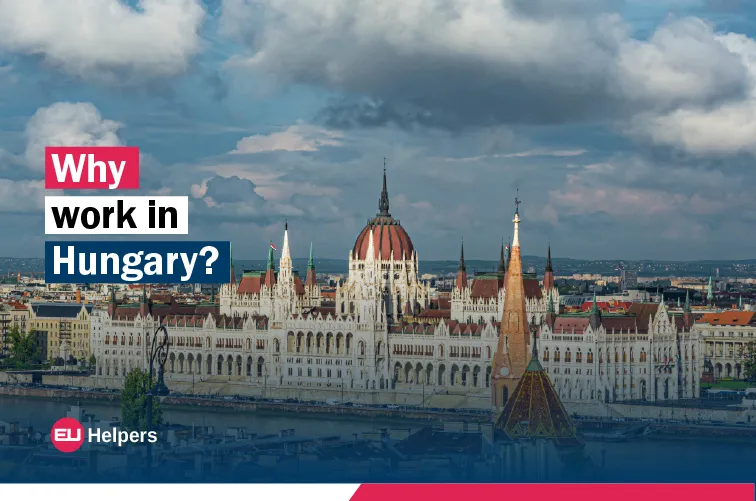
Budapest is often called the "Pearl of the Danube" and is one of Europe's most beautiful cities. The city features iconic landmarks including the Hungarian Parliament Building, Buda Castle, Fisherman's Bastion, the Chain Bridge, and the famous thermal baths.
Rich Cultural Heritage with Multiple UNESCO Sites
Hungary has multiple UNESCO World Heritage Sites including the Budapest historic banks of the Danube (including Buda Castle Quarter and Andrássy Avenue), Hollókő traditional village, Hortobágy National Park, the Early Christian Necropolis of Pécs, the Tokaj Wine Region, and the Millenary Benedictine Abbey of Pannonhalma.
World-Famous Tokaji Wine Tradition
Hungary has exceptional wine tradition with the famous Tokaji Aszú — one of the world's oldest sweet wines, called the "wine of kings, king of wines" by Louis XIV of France. The Tokaj Wine Region is UNESCO listed as one of the world's oldest wine regions.
Distinctive Hungarian Cuisine
Hungarian cuisine is internationally famous for paprika (Hungary is one of the world's largest paprika producers), goulash (gulyás — Hungary's national dish), Hungarian salami (Pick, Herz), Hungarian sausages, lángos (deep-fried flatbread), dobos torte (iconic layered cake), and kürtőskalács (chimney cake).
Exceptional Hungarian Scientific Heritage
Hungary has produced an extraordinary number of Nobel laureates and significant scientific figures relative to its population, including 13 Nobel laureates with famous Hungarian-born scientists like John von Neumann (pioneer of computer science), Edward Teller (physicist), Eugene Wigner (Nobel physicist), and Albert Szent-Györgyi (Nobel laureate who discovered Vitamin C).
Distinctive White Card for Digital Nomads
Hungary's distinctive White Card (launched 2022) supports digital nomads, contributing to growing international community.
Accessible Cost of Living
Hungary has accessible cost of living compared to Western European EU averages, particularly outside central Budapest, providing exceptional purchasing power for foreign professionals.
Top Financial Reasons to Consider Hungary
The financial rationale for working in Hungary centers around accessible cost of living combined with rising salary levels in key sectors.
Accessible Cost of Living
Hungary has accessible cost of living, significantly lower than Western European EU averages. Combined with full EU/Schengen benefits, this provides exceptional purchasing power.
Rising Salary Levels in Key Sectors
Hungarian salaries have been rising notably in IT (where IT salaries in Budapest are increasingly competitive within Central Europe), automotive (with EV-related and battery manufacturing premiums), senior professional roles, and specialized positions.
Hungarian Forint Considerations
Hungary uses the Hungarian forint (HUF), not the euro. This creates some currency considerations but also allows monetary policy flexibility.
Strong Worker Protections
Hungary has labor laws providing paid vacation, public holidays, parental leave, and other worker protections within EU frameworks.
Healthcare System
Hungary has healthcare system providing coverage for residents.
Lifestyle and Quality-of-Life Benefits
Beyond money, Hungary offers a distinctive lifestyle combining Central European character, exceptional Budapest, distinctive thermal bath tradition, and rich cultural heritage.
Vibrant Capital Budapest
Budapest combines extraordinary historical heritage (the Hungarian Parliament Building — one of Europe's largest, the Buda Castle and Castle Hill UNESCO district, the Fisherman's Bastion with seven turrets representing the seven Magyar tribes, the iconic Chain Bridge — Budapest's first permanent bridge, the Hungarian State Opera House, St. Stephen's Basilica, Heroes' Square with the Millennium Monument, the historic Great Market Hall, Andrássy Avenue UNESCO listed boulevard, the Dohány Street Synagogue — largest in Europe and second largest in the world), exceptional thermal bath tradition (Széchenyi Bath — Europe's largest medicinal bath, Gellért Bath — built 1918 in Art Nouveau style, Rudas — historic Ottoman-era bath, Király), beautiful Danube setting (the river dividing Buda from Pest with stunning night views), distinctive café culture (with traditional Budapest coffee houses including the famous Café New York — one of Europe's most beautiful coffee houses), vibrant nightlife reputation (including the famous "ruin bars" — romkocsmák in the historic Jewish Quarter), and rich cultural scene. Budapest is one of Europe's most distinctive capitals.
Charming Other Hungarian Cities
Debrecen (Hungary's second-largest city — the "Calvinist Rome" with the famous Reformed Great Church). Szeged (in southern Hungary with the famous Szeged Open-Air Theater). Miskolc (in northeastern Hungary). Pécs (with UNESCO-listed Early Christian Necropolis, famous Pécs Cathedral, and European Capital of Culture 2010). Győr (in northwestern Hungary with notable historical heritage). Kecskemét (in central Hungary with distinctive Art Nouveau architecture). Székesfehérvár (one of Hungary's oldest cities and historical coronation city for Hungarian kings). Esztergom (with the Esztergom Basilica — Hungary's largest church). Each city offers distinctive character.
Beautiful Lake Balaton
Lake Balaton — Central Europe's largest lake — is Hungary's premier domestic tourist destination with charming towns along its shores (Balatonfüred, Tihany with its famous Benedictine Abbey, Siófok, Keszthely with the famous Festetics Palace), excellent wine regions, and water sports opportunities. Lake Balaton is often called the "Hungarian Sea."
Hungarian Plain (Puszta)
The Great Hungarian Plain — Alföld — features the spectacular Hortobágy National Park (UNESCO listed) representing one of Europe's largest grassland ecosystems with traditional Hungarian shepherd culture and the famous Hungarian gray cattle and racka sheep.
Spectacular Caves
The Caves of Aggtelek Karst (UNESCO listed shared with Slovakia) are among Europe's most significant cave systems.
Distinctive Hungarian Thermal Spa Culture
Beyond Budapest, Hungary has thermal spa destinations throughout the country including Hévíz (the world's largest biologically active natural thermal lake), Hajdúszoboszló (famous medicinal spa), Bük, and many others.
Rich Cultural Heritage
Hungary has rich cultural heritage spanning the Kingdom of Hungary (founded by Saint Stephen in 1000 AD), the Habsburg Empire and Austro-Hungarian Empire (1867-1918 when Hungary was a major European power with Budapest as one of Europe's most important cities), the post-WWI Treaty of Trianon of 1920 (which dramatically reshaped Hungary leaving substantial Hungarian populations in neighboring countries), the communist period, the 1956 Hungarian Revolution (one of the most significant anti-communist uprisings of the Cold War), and the peaceful transition to democracy in 1989-1990.
Distinctive Hungarian Cuisine
Hungarian cuisine combines Central European, Ottoman, and other influences with distinctive specialties including goulash (gulyás — Hungary's national dish), paprika (central to Hungarian cooking), Hungarian salami (Pick, Herz), Hungarian sausages, halászlé (fisherman's soup), pörkölt (Hungarian stew), töltött káposzta (stuffed cabbage), lángos (deep-fried flatbread), dobos torte (iconic layered cake), kürtőskalács (chimney cake), Túró Rudi (chocolate-covered curd cheese — Hungarian cultural icon), and many others.
World-Famous Tokaji Wine
The Tokaji Aszú is one of the world's oldest sweet wines, called the "wine of kings, king of wines" by Louis XIV of France. The Tokaj Wine Region is UNESCO listed. Hungary also has the famous Egri Bikavér ("Bull's Blood of Eger") red wine and many other distinctive wines.
Famous Pálinka Tradition
Hungary has notable spirits tradition with pálinka (Hungarian fruit brandy with protected geographical indication) being particularly significant and a foundational part of Hungarian culture.
Distinctive Folk Music Tradition
Hungary has rich folk music tradition with distinctive Hungarian folk music including the famous verbunkos and csárdás dances, plus rich influence on classical music through Liszt, Bartók (pioneer of ethnomusicology), Kodály, and many others.
Distinctive Folk Traditions and UNESCO Heritage
Hungary has rich folk traditions including the famous Matyó embroidery (UNESCO Intangible Cultural Heritage) and the Busó festivities of Mohács (UNESCO Intangible Cultural Heritage celebrating the end of winter with distinctive masked figures).
Continental Climate
Hungary has a continental climate with four distinct seasons — warm summers (average highs around 28-30°C in July in Budapest), beautiful autumns, cold winters with occasional snow, and pleasant transitional seasons.
Generally Safe
Hungary has overall reasonable safety levels, with the country generally considered safe for foreign residents.
Famous Hungarian Hospitality
Hungarians are known for their warm hospitality and welcoming attitude toward foreigners, particularly in social contexts.
Strong Christmas Tradition
Hungary has rich Christmas tradition with distinctive Hungarian customs including the famous Budapest Christmas markets (particularly the Vörösmarty Square Market and the St. Stephen's Basilica Market) and traditional Christmas Eve dinner.
Growing International Community
Hungary's automotive industry, growing IT sector, BPO operations, and distinctive White Card framework have created international communities, particularly in Budapest.
Family-Friendly Society
Hungary has family-oriented culture with public education, family allowances (including notable family policies supporting families with children), and family-friendly workplace policies.
Strategic Travel Position
Hungary's strategic Central European location provides access to neighboring countries — Slovakia, Ukraine, Romania, Serbia, Croatia, Slovenia, Austria (with Vienna just 250 km from Budapest), and broader Central European destinations.
Career Growth and Professional Opportunities
Hungary's career environment is improving, with particularly strong opportunities in growing sectors.
Strong Career Pathways in Automotive
For automotive professionals, Hungary's significant automotive industry (with Audi, Mercedes-Benz, BMW, Suzuki, and emerging battery manufacturing — CATL, Samsung SDI, SK Innovation) creates exceptional opportunities, particularly through the electric vehicle transition.
Exceptional Career Pathways in Battery Manufacturing
For battery industry professionals, Hungary's emergence as one of Europe's most significant battery production countries creates substantial opportunities at CATL, Samsung SDI, SK Innovation, and other operations.
Growing Career Pathways in Technology
For IT and tech professionals, Hungary offers expanding opportunities through Budapest's growing tech ecosystem.
BPO and Shared Services Opportunities
For multilingual professionals, Hungary's BPO and shared services operations create substantial opportunities.
Opportunities for Digital Nomads
The distinctive White Card framework supports digital nomads working for non-Hungarian employers or clients.
Strong Foundation for Central European Careers
As an EU and Schengen member with strategic Central European positioning, Hungary provides a strong foundation for Central European careers.
Residency, Work Permit, and Legal Benefits
Working legally in Hungary comes with structured immigration pathways and legal protections within the EU framework.
Structured Permit System
Foreign workers obtain residence through dedicated schemes including the single permit, EU Blue Card, distinctive White Card (digital nomad visa launched 2022), Guest Worker permit, self-employment routes, researcher route, family reunification provisions, and other pathways.
Distinctive White Card
The White Card (launched 2022) supports digital nomads working for non-Hungarian employers or clients.
Family Reunification
Hungary allows qualifying workers and residents to bring close family members.
Pathway to Hungarian Citizenship and EU Benefits
After qualifying continuous residence in Hungary and meeting other requirements (including Hungarian language and integration), foreign nationals may become eligible for Hungarian citizenship. Hungarian citizenship grants full EU citizenship benefits.
Healthcare, Education, and Social Benefits
Hungarian public services provide coverage for residents.
Healthcare System
Hungary has a healthcare system providing coverage for residents.
Educational System
Hungary offers a public education system, with international schools available in Budapest serving the foreign community. Major Hungarian universities include the Eötvös Loránd University (founded 1635 — Hungary's largest), the University of Szeged, the University of Debrecen, and others.
Social Protections
Registered workers benefit from contributions toward pensions, healthcare, and other social protections.
Practical Considerations for Working in Hungary
While Hungary offers compelling benefits, applicants should also understand some practical considerations.
Hungarian Language Challenge
Hungarian (Magyar) is one of the world's more challenging languages for foreign learners due to its Uralic origin (related to Finnish and Estonian, not to surrounding Slavic, Germanic, or Romance languages), agglutinative grammar, and unique vocabulary. While English use is growing in IT and international business contexts, Hungarian skills support broader integration.
EU Policy Tensions
Hungary has had policy tensions with EU institutions in recent years on various issues. Applicants may want to understand the broader political context.
Outside Eurozone — Forint Considerations
Hungary uses the Hungarian forint, not the euro. This creates some currency considerations.
Cultural Adjustments
Hungarian culture has distinctive features including pride in Hungarian heritage and language, distinctive Magyar identity, formal communication style in professional contexts, and rich traditions.
Required Documents and Step-by-Step Overview
While exact requirements depend on the specific permit and applicant profile, the general route involves coordination with the National Directorate-General for Aliens Policing (OIF), Hungarian embassies and consulates abroad, and other authorities depending on the specific route.
Practical Tips for International Applicants Considering Hungary
Tips From EU Helpers for Considering Hungary
Carefully evaluate which permit category fits your profile — single permit, EU Blue Card, White Card (for digital nomads), Guest Worker permit, or others. For remote workers, evaluate the distinctive White Card. Target Hungarian employers in growing sectors — automotive (Audi, Mercedes-Benz, BMW, Suzuki), battery manufacturing (CATL, Samsung SDI, SK Innovation), IT (Budapest tech ecosystem), BPO operations. Take advantage of Hungary's accessible cost of living and distinctive culture. Plan housing carefully — Hungary offers different lifestyle options at significantly lower prices than Western European capitals. Develop basic Hungarian language skills for daily life (acknowledging Hungarian's challenging nature) while leveraging English (growing in IT and international business). Embrace Hungarian culture — distinctive thermal bath tradition, exceptional cuisine, rich folk traditions. Always rely on the latest official guidance.
Final Guidance
Why work in Hungary? Because few countries in Central Europe combine such a distinctive mix of full EU and Schengen integration (though outside the eurozone, using the Hungarian forint), significant automotive industry (with Audi, Mercedes-Benz, BMW, Suzuki creating one of Central Europe's notable automotive hubs), emergence as a major European battery manufacturing hub (CATL — one of the world's largest battery plants outside Asia, Samsung SDI, SK Innovation), growing IT sector (anchored by Budapest's growing tech ecosystem), distinctive Magyar culture and language (Hungarian is one of the few non-Indo-European languages in Europe — a Uralic language related to Finnish and Estonian making Hungary linguistically distinctive among Central European countries), rich cultural heritage with multiple UNESCO World Heritage Sites (Budapest historic banks of the Danube, Hollókő traditional village, Hortobágy National Park puszta, Tokaj Wine Region, Pannonhalma Abbey, and others), distinctive Hungarian thermal bath tradition (more thermal springs than almost any country in the world with Budapest being known as the "City of Spas" — featuring Széchenyi Bath — Europe's largest medicinal bath, Gellért Bath, Rudas Ottoman-era bath, and many others), exceptional Hungarian cuisine (with paprika, goulash, Hungarian salami, lángos, dobos torte, and the famous Tokaji wine — the "wine of kings"), exceptional Hungarian scientific heritage (13 Nobel laureates with famous Hungarian-born scientists including John von Neumann, Edward Teller, and Albert Szent-Györgyi who discovered Vitamin C), distinctive folk traditions (with UNESCO-recognized Matyó embroidery and Busó festivities), exceptional Budapest character (often called the "Pearl of the Danube" — one of Europe's most beautiful cities with the Hungarian Parliament Building, Buda Castle, Fisherman's Bastion representing the seven Magyar tribes, the iconic Chain Bridge, Heroes' Square, Andrássy Avenue, Dohány Street Synagogue — the largest in Europe), distinctive White Card framework for digital nomads (launched 2022), Lake Balaton — Central Europe's largest lake often called the "Hungarian Sea," accessible cost of living relative to Western European EU averages, and a clear pathway to Hungarian citizenship with full EU benefits. For international automotive professionals attracted to Hungary's significant automotive industry, battery industry professionals drawn to Hungary's emergence as a major European battery manufacturing hub (CATL, Samsung SDI, SK Innovation), IT and tech professionals drawn to Budapest's growing tech ecosystem, BPO and shared services professionals attracted to Hungary's role as a notable BPO destination, digital nomads attracted to the distinctive White Card, lifestyle migrants attracted to Hungary's exceptional thermal bath culture, distinctive cuisine and Tokaji wine, beautiful Budapest, and accessible cost of living, or those interested in distinctive Central European character with unique Magyar identity, Hungary stands out as one of Central Europe's most uniquely distinctive destinations. EU Helpers supports international applicants at every stage — from evaluating eligibility and selecting the right permit route (single permit, EU Blue Card, White Card, Guest Worker permit, self-employment route, researcher route, family-based residence, or others) to preparing documents, employer coordination, embassy navigation, OIF timeline planning, and planning a smooth transition. If Hungary is on your radar as a future work destination, EU Helpers can help you move forward with clarity, confidence, and the latest accurate information.
FAQs
Hungary offers a unique combination of full EU/Schengen integration (though outside the eurozone), significant automotive industry, emerging battery manufacturing hub status, distinctive Magyar culture and language, exceptional thermal bath tradition, rich cultural heritage with multiple UNESCO sites, world-famous Tokaji wine, accessible cost of living, and a clear pathway to Hungarian citizenship with full EU benefits.
Hungary is an EU member (since 2004) and Schengen member (since 2007), but is NOT in the eurozone — using the Hungarian forint (HUF) as its currency. Hungary is also a NATO member (since 1999) and Council of Europe member.
Hungary uses the Hungarian forint (HUF) as its currency. Hungary is not in the eurozone.
Hungarian (Magyar) is a Uralic language related to Finnish and Estonian, making it one of the few non-Indo-European languages in Europe. Hungarian is considered one of the world's more challenging languages for foreign learners due to its agglutinative grammar and unique vocabulary not shared with surrounding Slavic, Germanic, or Romance languages.
Hungary has significant automotive industry with major plants from Audi in Győr (Audi Hungaria being one of Hungary's largest employers), Mercedes-Benz in Kecskemét, BMW building a major new plant in Debrecen, Suzuki in Esztergom, and various suppliers. This makes Hungary one of Central Europe's significant automotive manufacturing hubs.
Hungary has emerged as one of Europe's most significant battery production countries with major facilities including CATL in Debrecen (one of the world's largest battery plants outside Asia), Samsung SDI in Göd, and SK Innovation in Komárom, making Hungary central to Europe's EV battery supply chain.
Budapest is often called the "Pearl of the Danube" and is one of Europe's most beautiful cities, formed by the unification of Buda, Pest, and Óbuda in 1873. The city features iconic landmarks including the Hungarian Parliament Building, Buda Castle, Fisherman's Bastion (with seven turrets representing the seven Magyar tribes that founded Hungary), the Chain Bridge, famous thermal baths (Széchenyi, Gellért), and the Dohány Street Synagogue (largest in Europe).
Hungary has more thermal springs than almost any other country in the world, with Budapest being known as the "City of Spas." Famous Budapest thermal baths include Széchenyi (Europe's largest medicinal bath), Gellért (built 1918 in Art Nouveau style), Rudas (historic Ottoman-era bath from the 16th century), and Király (Ottoman-era bath).
Tokaji Aszú is one of the world's oldest sweet wines, called the "wine of kings, king of wines" by Louis XIV of France. The Tokaj Wine Region is UNESCO listed as one of the world's oldest wine regions. Tokaji represents Hungary's exceptional wine heritage.
Hungarian cuisine is internationally famous for paprika (Hungary is one of the world's largest paprika producers), goulash (gulyás — Hungary's national dish), Hungarian salami (Pick, Herz), Hungarian sausages, lángos (deep-fried flatbread), dobos torte (iconic layered cake), kürtőskalács (chimney cake), Túró Rudi (chocolate-covered curd cheese), and many others.
Hungary introduced its White Card digital nomad visa in 2022, supporting foreign nationals working remotely for non-Hungarian employers or freelancing for non-Hungarian clients while residing in Hungary.
Hungary has produced an extraordinary number of Nobel laureates and significant scientific figures relative to its population, including 13 Nobel laureates with famous Hungarian-born scientists including John von Neumann (pioneer of computer science), Edward Teller (physicist), Eugene Wigner (Nobel physicist), and Albert Szent-Györgyi (Nobel laureate who discovered Vitamin C).
Hungary has multiple UNESCO World Heritage Sites including the Budapest historic banks of the Danube (with Buda Castle Quarter and Andrássy Avenue), Hollókő traditional village, Hortobágy National Park (the Great Hungarian Plain), the Early Christian Necropolis of Pécs, the Tokaj Wine Region, and the Millenary Benedictine Abbey of Pannonhalma.
Hungarian (Magyar) is the official language. English use is growing in IT and international business contexts. German is also widely understood given historical Habsburg connections and Austrian proximity.
Yes, generally. Hungary has overall reasonable safety levels and is considered generally safe for foreign residents.
Hungary has a continental climate with four distinct seasons — warm summers (average highs around 28-30°C in July in Budapest), beautiful autumns, cold winters with occasional snow, and pleasant transitional seasons.
Lake Balaton is Central Europe's largest lake and Hungary's premier domestic tourist destination, often called the "Hungarian Sea." The lake features charming towns along its shores (Balatonfüred, Tihany with its famous Benedictine Abbey, Siófok, Keszthely), excellent wine regions, and water sports.
Hungary's cost of living is significantly lower than Western European EU averages, particularly outside central Budapest. This provides exceptional purchasing power for foreign professionals.
Yes. Hungary's combination of growing IT sector anchored by Budapest's tech ecosystem, accessible cost of living, full EU/Schengen integration, and distinctive immigration frameworks (particularly White Card for remote workers) makes Hungary attractive for foreign IT professionals.
The Treaty of Trianon (1920) was the post-WWI peace treaty that dramatically reduced Hungarian territory by about two-thirds, leaving substantial Hungarian populations outside Hungary in neighboring countries (Romania, Slovakia, Serbia, Ukraine). This event continues to shape Hungarian identity and politics.
Yes. Qualifying workers and residents can usually apply for family reunification for spouses, registered partners, and dependent children. EU Blue Card holders benefit from particularly favorable family reunification provisions.
After qualifying continuous residence in Hungary and meeting other requirements (including Hungarian language and integration criteria), foreign nationals may become eligible for Hungarian citizenship. Hungarian citizenship grants full EU citizenship benefits.
EU Helpers supports international applicants with eligibility assessment, permit category selection (including White Card considerations for digital nomads), document preparation, employer or sponsor coordination, embassy navigation, OIF timeline planning, and clarity on the latest official requirements tailored to your career goals.