
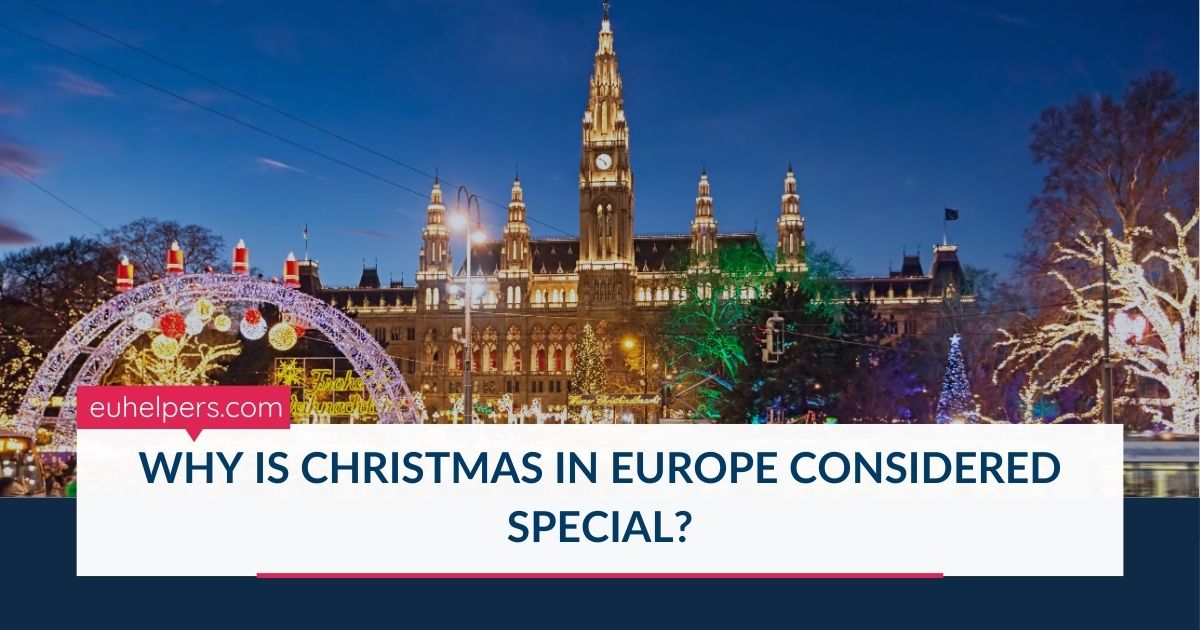

Christmas in Europe is considered special because it combines deep historical traditions, strong cultural identity, and a unique seasonal atmosphere that has developed over centuries. Rather than being only a commercial event, Christmas in Europe is closely tied to community life, family values, and long-standing customs that still shape how the season is celebrated today.
This balance between tradition and modern life is what makes Christmas in Europe stand out.
Deep Historical and Cultural Roots
Christmas has been celebrated in Europe for more than a thousand years. Many present-day customs come directly from:
-
Medieval Christian traditions
-
Pagan winter solstice celebrations
-
Local folklore and regional rituals
Because of this long history, Christmas in Europe feels authentic and rooted, not newly created or purely commercial.
Strong Focus on Family and Togetherness
In most European countries, Christmas is primarily a family-centered celebration.
Common practices include:
-
Returning home to spend time with family
-
Sharing long meals prepared using traditional recipes
-
Limiting travel and social obligations on Christmas Day
Unlike other holidays, Christmas is often quiet and private, especially on 24 and 25 December.
Traditional Timing and Celebrations
Europe follows a more traditional Christmas calendar:
-
Decorations usually appear in late November or early December
-
Advent plays an important role in preparation
-
Gifts are often exchanged on Christmas Eve in many countries
This slower, structured approach makes the season feel meaningful rather than rushed.
Unique Local Traditions Across Countries
Each European country celebrates Christmas differently, yet all share the same festive spirit.
Examples include:
-
Special Christmas foods prepared once a year
-
Local gift-bringing figures alongside Santa Claus
-
Regional music, carols, and church services
-
Distinct customs for Christmas Eve and Christmas Day
These differences make Christmas in Europe diverse but deeply connected.
Christmas Markets and Public Atmosphere
One of the most distinctive features of Christmas in Europe is the Christmas market tradition.
These markets offer:
-
Seasonal food and drinks
-
Handmade gifts and decorations
-
Community gathering spaces
They create a festive atmosphere while still maintaining a local and traditional character, rather than focusing only on shopping.
A Clear Seasonal Pause
Christmas in Europe represents a true pause from daily life.
During this period:
-
Offices and government institutions close
-
Work activity slows down
-
People focus on rest, reflection, and family
This collective pause is rare in many parts of the world and adds to the special nature of the season.
Less Commercial, More Cultural
While commercial elements exist, Christmas in Europe is generally:
-
Less focused on large-scale gift buying
-
More focused on shared experiences
-
More connected to culture than consumerism
This creates a calmer and more reflective holiday experience.
Why Christmas in Europe Feels Different
Christmas in Europe feels special because:
-
Traditions are preserved and respected
-
Celebrations are closely tied to history and identity
-
Communities slow down together
-
The holiday remains meaningful beyond decorations and gifts
For visitors, workers, and students, this creates a festive season that feels genuine, warm, and culturally rich.
Key Takeaways
-
Christmas in Europe is shaped by centuries of tradition
-
Family and togetherness are central to the celebration
-
Each country has unique customs and foods
-
The season is calmer and more reflective
-
Christmas represents a shared cultural pause