
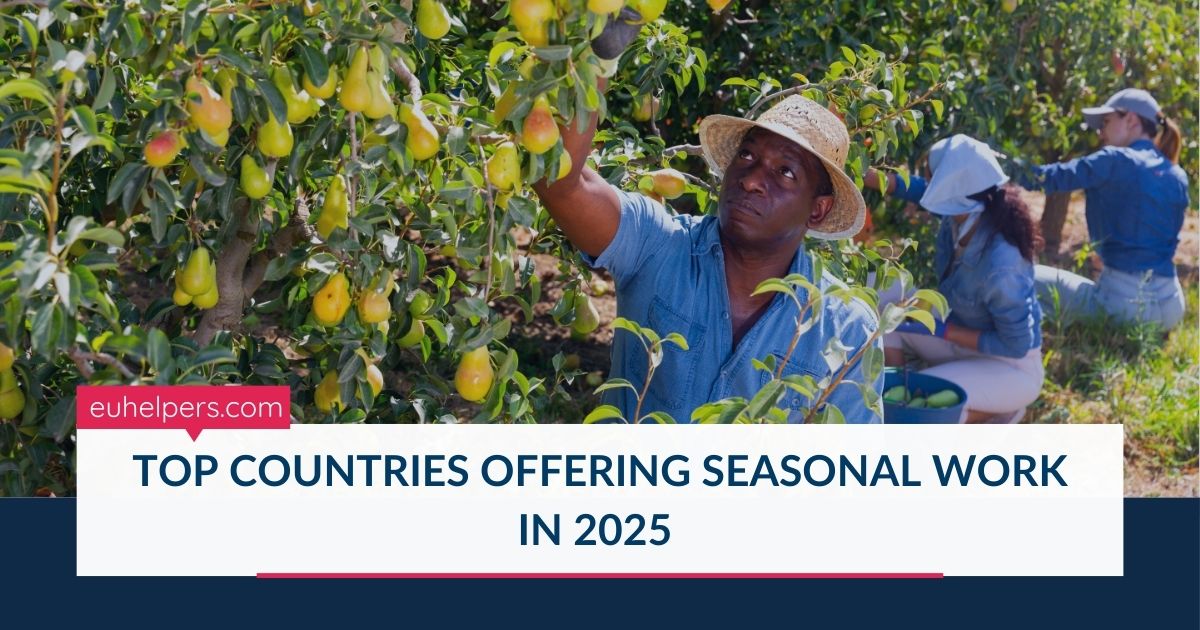
Seasonal work in Europe continues to attract thousands of international job seekers, particularly in sectors like agriculture, tourism, and hospitality. Several European countries have well-established seasonal job markets and even offer official visa programs to bring in non-EU workers. From fruit picking in Spain to working at ski resorts in Austria, the opportunities are diverse and abundant.
Here’s a closer look at some of the best European countries for seasonal employment in 2025:
1. Italy: Thousands of Jobs Through the Decreto Flussi Program
Italy is one of the leading destinations for seasonal workers. Each year, the Italian government allocates thousands of seasonal work visas under its Decreto Flussi program, which focuses primarily on agriculture and tourism. The program is designed to address labor shortages and is open to non-EU applicants, with quotas announced annually. Regions with strong demand include Sicily, Apulia, and northern Italy’s vineyards and orchards.
2. Spain: Vibrant Work Opportunities in Agriculture and Tourism
Spain offers a robust seasonal job market, particularly during the warmer months. Agricultural work includes fruit and vegetable harvesting, while the tourism sector provides jobs in restaurants, hotels, and beach resorts. Areas such as Murcia, Valencia, and Andalusia are hotspots for agriculture, while the Balearic and Canary Islands attract workers for tourism roles.
3. France: Diverse Roles in Vineyards, Farms, and Resorts
France remains a popular choice for seasonal employment thanks to its wide range of opportunities. Workers are needed for grape harvesting, fruit picking, farm maintenance, and hospitality during peak tourist seasons. Regions like Bordeaux and Provence offer particularly strong demand in agriculture. France’s seasonal work visa allows non-EU nationals to legally work during harvest and tourist seasons.
4. Germany: Strong Demand Across Multiple Sectors
Germany consistently offers seasonal employment in agriculture, hospitality, and tourism, especially during summer and autumn. Seasonal workers are often recruited for jobs like fruit and asparagus picking, working at hotels, or assisting with events and festivals. Germany has programs in place to simplify the hiring of foreign seasonal workers, and English-speaking roles are available in tourist-heavy areas.
5. Austria: Seasonal Work in Alpine Resorts and Farms
Austria is especially well-known for its winter tourism jobs, such as working in ski resorts, mountain lodges, and hotels. During the summer, farms in the countryside also hire temporary workers for harvesting and general labor. Positions in Austria may include lodging and meals, particularly in more remote or resort-based locations.
6. Portugal: Growing Demand in Agriculture and Tourism
Portugal’s mild climate and expanding tourism industry make it an excellent destination for seasonal work. Jobs are typically available in agriculture (especially fruit picking in the Alentejo region) and tourism, with seasonal roles at resorts, hotels, and seaside restaurants. Portugal’s visa system is relatively straightforward, especially for nationals from Lusophone or partner countries.
7. Croatia: Coastal Opportunities in Tourism
Croatia’s Adriatic coastline becomes a tourism hub during summer, creating a surge in demand for seasonal staff. Positions include hotel staff, waiters, tour guides, and event workers. While agriculture jobs exist, most opportunities are tied to the tourism and hospitality sectors.
8. Lithuania: Accessible Seasonal Work for Non-EU Citizens
Lithuania may not be the first country that comes to mind, but it’s becoming increasingly popular for seasonal agricultural jobs. The visa process is often simpler, as employers in Lithuania typically handle much of the paperwork. It’s a good entry point into European seasonal work for those from outside the EU.
Key Factors to Consider When Choosing a Country
Before applying for a seasonal job in Europe, consider the following:
-
Job Availability: Different countries focus on specific sectors. For example, Italy emphasizes agriculture, while Austria is known for tourism and winter sports.
-
Visa Requirements: Requirements vary based on nationality and the host country’s immigration policies. Programs like Italy’s Decreto Flussi offer structured application routes.
-
Cost of Living: Accommodation, food, and transportation costs should be factored into your decision, especially in tourist-heavy cities.
-
Language Skills: While English is widely spoken in tourism sectors, knowing the local language can enhance your experience and improve job prospects.
Whether you're looking for an opportunity to travel, earn money, or gain international work experience, Europe has no shortage of seasonal jobs. Countries like Italy, Spain, France, and Germany offer organized and accessible routes into seasonal work, particularly for non-EU nationals. With proper planning and research, you can find a position that fits your goals and enjoy a unique working experience abroad in 2025.