
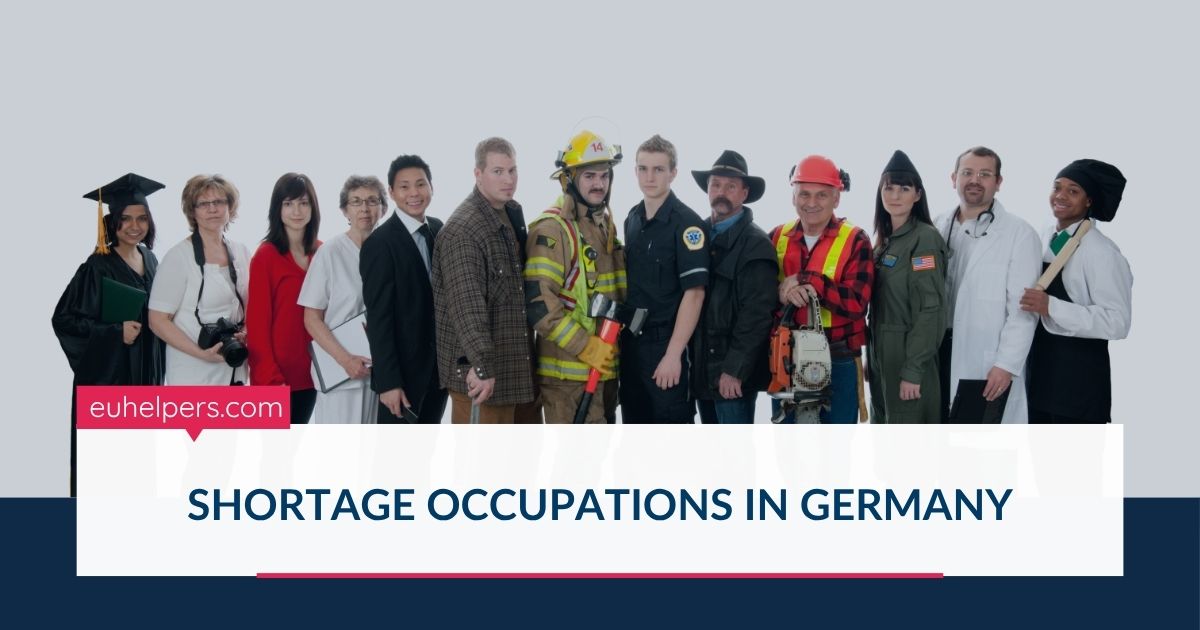
Germany currently faces a notable shortage of skilled professionals in several vital sectors, driven by demographic trends and the rise of emerging technologies. Key areas of high demand include:
Healthcare
-
Medical doctors, nurses, midwives, pharmacists, and other allied health professionals are urgently needed to support an aging and expanding healthcare system.
Engineering & Technology
-
Specialized roles in mechanical, civil, electrical, chemical, and mining engineering remain scarce.
-
IT roles such as software developers, system analysts, and IT service managers are also in high demand.
Logistics & Construction
-
The shortage extends to logistics managers, truck drivers, construction supervisors, electricians, plumbers, and carpenters.
Education
-
University professors and vocational or subject-specific teachers are required to fill educational gaps.
Why the Shortages Persist
-
Demographic Change: Germany’s aging population and declining birth rate mean fewer young workers are entering the workforce.
-
Digitalization: Fast-growing industries like AI, cybersecurity, and IT are expanding faster than the talent pool can grow to meet demand.
-
Need for Specialized Skills: Many positions call for niche qualifications or experience, which are not readily available domestically.
Policy Solutions for Mobile Experts
Germany has introduced immigration pathways tailored to address these shortages:
-
Skilled Immigration Act: Simplifies entry for qualified professionals in high-demand fields.
-
EU Blue Card: Facilitates visa and residency for non-EU skilled workers, especially in shortage professions.
-
Opportunity Card (“Chancenkarte”): Allows individuals from visa-exempt countries to seek employment in Germany.
Salary Expectations for In-Demand Roles
Software & IT Professionals
-
Entry-Level: €45,000–€55,000 per year.
-
Mid-Level (3–7 years experience): €60,000–€90,000 per year.
-
Senior-Level: Up to €120,000 or more, especially in AI or cloud-specialized roles.
-
City Variations:
-
Berlin & Frankfurt: ~€65,000 annually
-
Munich: ~€75,000 or higher
-
-
Typical Ranges (Glassdoor data): €52,000–€79,000 annually, median ~€64,000
-
Role-Specific Salaries:
-
Software Engineer: ~€56,800
-
DevOps Engineer: ~€65,800
-
Full Stack: ~€60,000
-
Front End: ~€55,000
-
Healthcare Roles
-
Salary data is less consolidated, but compensation improves with specialization and qualifications (e.g., ICU, emergency, anesthesia), often via focused postgraduate training or certifications.
Engineering, teaching, and logistics roles
-
Salaries vary widely by role, industry, and location. Skilled trades and engineering professions typically offer competitive wages, though exact figures depend on specialization and region.
Summary Table
| Sector / Role | Typical Salary Range (EUR/year) |
|---|---|
| Entry-Level IT / Software Developers | €45,000–€55,000 |
| Mid-Level IT / Software Engineers | €60,000–€90,000 |
| Senior Tech Roles (e.g., AI, Cloud, DevOps) | Up to €120,000+ |
| City Variation (Munich vs Berlin) | Munich: ~€75,000+ |
| Healthcare (specialized roles) | Higher with certification & experience |
| Engineering, Logistics, Education Roles | Competitive, varies by specialization & region |
Germany’s shortage of skilled workers presents prime opportunities for professionals in sectors such as IT, healthcare, engineering, logistics, and education. Leveraging streamlined immigration paths—particularly the Skilled Immigration Act and EU Blue Card—can make relocating easier. Salaries in these in-demand fields are robust, especially in major hubs like Munich and Frankfurt. Tailoring your skills and credentials to fill these gaps not only improves your employment prospects but may also accelerate your pathway to long-term residency and career progression in Germany.