
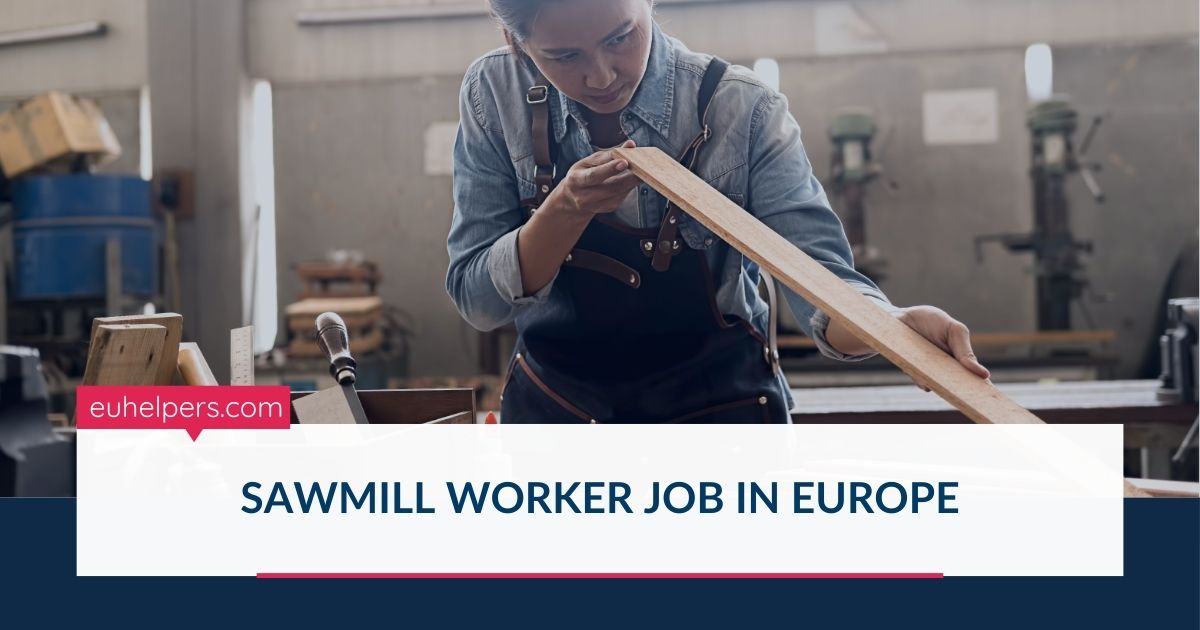
Sawmill workers play a vital role in Europe's timber and construction industries, transforming raw logs into lumber and other wood products used in countless applications. This job combines hands-on labor with technical expertise, requiring attention to detail, physical stamina, and a strong focus on safety.
Primary Responsibilities of a Sawmill Worker
A sawmill worker's daily tasks revolve around the efficient and safe processing of timber. Their core duties include:
-
Operating Machinery: Workers use various sawmill machines—such as band saws, planers, and edgers—to cut raw logs into usable wood products. Precision and understanding of machinery operation are crucial to ensure quality and efficiency.
-
Quality Control: Once processed, lumber is inspected and graded based on established quality standards. Workers must identify defects and sort materials accordingly to ensure only high-quality products move forward.
-
Stacking and Palletizing: Properly organizing sawn wood is essential. Workers stack and palletize finished lumber to prepare it for storage, shipment, or further processing.
-
Loading and Unloading: Heavy machinery like forklifts and loaders are used to move logs and finished products around the worksite. Handling these tools safely is a key part of the job.
-
Maintenance Support: Sawmill workers often assist with basic maintenance and repairs on equipment, ensuring machines run smoothly and minimizing production downtime.
-
Safety Compliance: Given the nature of the equipment and materials involved, strict adherence to safety procedures is essential. Workers must consistently follow protocols to protect themselves and their colleagues.
-
Production Recordkeeping: Maintaining accurate records of output, defects, and operational issues helps keep production on track and supports continuous improvement in the facility.
Skills and Qualifications
To be effective in this role, sawmill workers should possess a combination of physical capabilities, technical skills, and safety awareness:
-
Physical Strength and Endurance: The job is physically demanding, often requiring heavy lifting, prolonged standing, and work in varying weather conditions.
-
Technical Aptitude: Familiarity with sawmill machinery and the ability to troubleshoot minor issues is highly valued.
-
Attention to Safety: A solid understanding of safety practices is non-negotiable in such an environment, where the risk of injury is high without proper precautions.
-
Communication Skills: Clear communication with supervisors and team members ensures operations run smoothly and safely.
-
Experience: While not always mandatory, previous work in a sawmill or similar manufacturing setting is often preferred and can ease the learning curve.
A career as a sawmill worker in Europe offers steady employment in a key industry, particularly in regions with strong forestry and manufacturing sectors. It’s a role suited for individuals who enjoy hands-on work, are mechanically inclined, and value teamwork and safety. With the right skills and dedication, sawmill work can provide a fulfilling and vital contribution to Europe’s wood production and supply chain.