
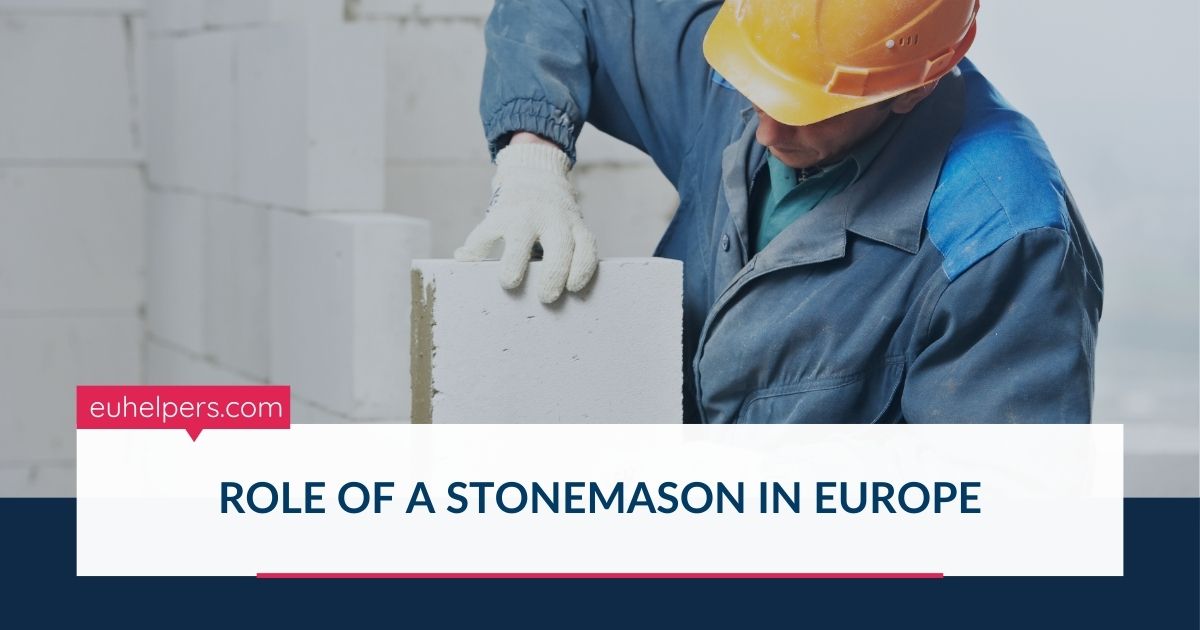
Stonemasonry is one of the oldest and most respected crafts in the construction industry. In Europe, stonemasons play a vital role in both preserving architectural heritage and contributing to modern construction. From crafting monuments to restoring historical structures and building new stonework, stonemasons bring precision, creativity, and craftsmanship to their work.
What Does a Stonemason Do?
A stonemason specializes in building and restoring structures made from natural stone. Their work spans across residential, commercial, and cultural projects—including buildings, gravestones, monuments, and more. In addition to construction, they are often involved in restoration and repair, ensuring the longevity and integrity of historical stone features.
Key Responsibilities of a Stonemason in Europe
1. Interpreting Blueprints and Technical Drawings
A stonemason must be able to read and accurately interpret architectural plans and technical drawings to execute detailed stonework that meets design specifications.
2. Cutting and Shaping Stone
Using both hand tools and advanced machinery, stonemasons cut, carve, and shape stone materials to the required dimensions and finishes, ensuring precision and consistency.
3. Installing and Securing Stonework
Once the stone is prepared, stonemasons install and fix it in place using mortar, grout, and other fixings. This stage requires a thorough understanding of structural integrity and aesthetic alignment.
4. Repairing and Pointing Existing Stone Structures
In restoration projects, stonemasons carefully assess damage and wear on stone structures, carrying out repairs and re-pointing joints to preserve the original design while reinforcing strength.
5. Collaborating with Construction Professionals
Stonemasons often work alongside architects, engineers, and other tradespeople to ensure seamless integration of stone elements within broader construction projects.
6. Following Health and Safety Regulations
Whether working on-site or in a workshop, stonemasons must adhere to strict safety protocols, especially when handling heavy materials or operating machinery.
7. Using Specialized Tools and Machinery
Stonemasons utilize a variety of tools—from chisels and hammers to cutting machines and cranes—depending on the scale and complexity of the project.
Skills and Qualities of a Successful Stonemason
Craftsmanship and Attention to Detail
Precision is key in stonemasonry. Each cut must be accurate, and the finish must meet both structural and aesthetic standards.
Physical Strength and Endurance
The role involves lifting and maneuvering heavy materials, often in challenging environments, making physical fitness essential.
Problem-Solving Abilities
Unexpected challenges can arise during construction or restoration, requiring stonemasons to adapt quickly and find effective solutions.
Teamwork and Communication
As part of larger construction teams, stonemasons must communicate clearly and work collaboratively with other professionals.
Creativity and Innovation
Some projects, especially in architectural or decorative work, call for creative design and custom-crafted stone elements.
Material Knowledge
Understanding the properties of different types of stone—such as limestone, granite, marble, or sandstone—is crucial for selecting the right material for each application.
Opportunities and Education in Stonemasonry
Competitions and Recognition
Organizations like WorldSkills Europe host competitions in architectural stonemasonry, highlighting the expertise and talent of craftsmen from across the continent.
Training and Education
Several vocational schools and technical institutions across Europe offer training programs in stonemasonry. These programs combine theoretical learning with hands-on practice, preparing students for professional certification and careers in the field.
Stonemasonry remains a highly valued trade in Europe, combining tradition, artistry, and technical skill. For those with a passion for craftsmanship and a desire to contribute to meaningful, lasting structures, a career in stonemasonry offers both personal fulfillment and professional growth. With ongoing demand for restoration and sustainable building practices, the future of stonemasonry in Europe looks as strong and enduring as the stones themselves.