
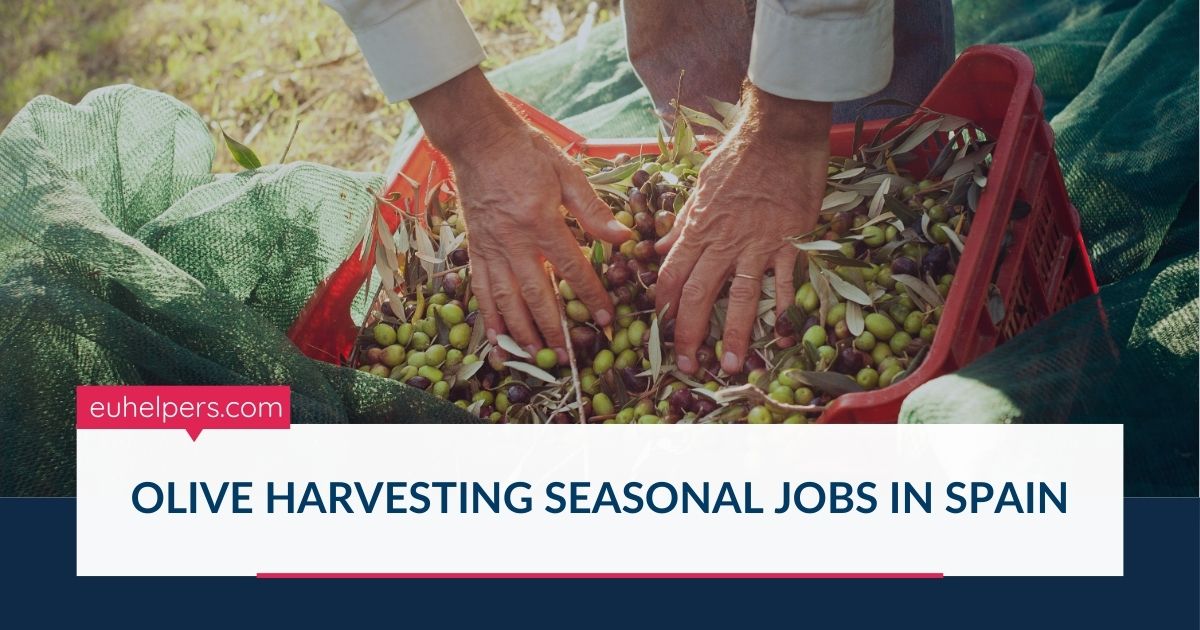
Every fall, the vast olive groves of Spain come alive with activity as the olive harvest season begins. Stretching from October through November, this period is critical for the country’s renowned olive oil production, and it offers a range of seasonal employment opportunities, particularly for those seeking physically active outdoor work.
Spain is the world’s leading producer of olive oil, and during harvest time, thousands of workers are needed to help bring in the crop. From hand-picking olives in the countryside to working with nets and machinery, olive harvesting is both a tradition and a vital part of the agricultural economy.
When Does the Olive Harvest Take Place?
The olive harvest in Spain generally occurs between October and November, though the exact timing can vary by region and climate conditions. Some areas may begin slightly earlier or extend into December depending on the weather and the ripeness of the fruit.
What Does the Work Involve?
Harvesting olives is a labor-intensive job that often involves:
-
Hand-picking olives directly from trees.
-
Using poles or mechanical shakers to dislodge olives.
-
Placing nets under trees to catch the falling fruit.
-
Collecting and sorting olives for processing.
The work is usually done outdoors in rural areas, and long hours are typical. A good level of physical fitness is important, as the job requires standing, bending, lifting, and repetitive movement throughout the day.
Labor Demand and Visa Opportunities
Due to the scale of the harvest, many farms and cooperatives rely on seasonal workers, including international laborers. In regions where labor shortages exist, some employers offer visa sponsorships to attract workers from abroad.
To apply for such positions, it’s best to check with Spanish agricultural employment agencies, cooperative websites, or international job boards that specialize in seasonal agricultural work.
Regions with High Demand for Olive Pickers
Some of the most prominent olive-producing areas in Spain include:
-
Andalusia – Especially in Jaén, Córdoba, and Granada.
-
Castilla-La Mancha – Known for both table olives and oil production.
-
Extremadura – Another key region with large olive farms and processing plants.
These regions offer the most opportunities for seasonal employment during harvest time.
Wages and Working Conditions
Pay can vary depending on the employer, location, and collective labor agreements. In recent years, some regions have implemented improved pay structures to attract more workers and ensure fair compensation.
Many employers may also offer:
-
Free or subsidized accommodation
-
Daily meals or meal allowances
-
Transport to and from the fields
However, working conditions can be tough. The days are long, the work is physically demanding, and weather conditions can vary. Workers should come prepared with suitable clothing and gear.
What to Expect
-
Physical Demands: Expect to lift, bend, and walk for several hours a day.
-
Weather Variability: Be prepared for both hot days and unexpected rain.
-
Camaraderie: Despite the hard work, many find the communal aspect of working in olive groves rewarding.
Olive harvesting in Spain offers more than just a job—it’s a chance to participate in a centuries-old tradition at the heart of the country’s agricultural heritage. Whether you're a local looking for seasonal work or an international job seeker seeking a visa-sponsored opportunity, the olive harvest provides a gateway to experience rural Spain, earn money, and be part of a vital industry.