
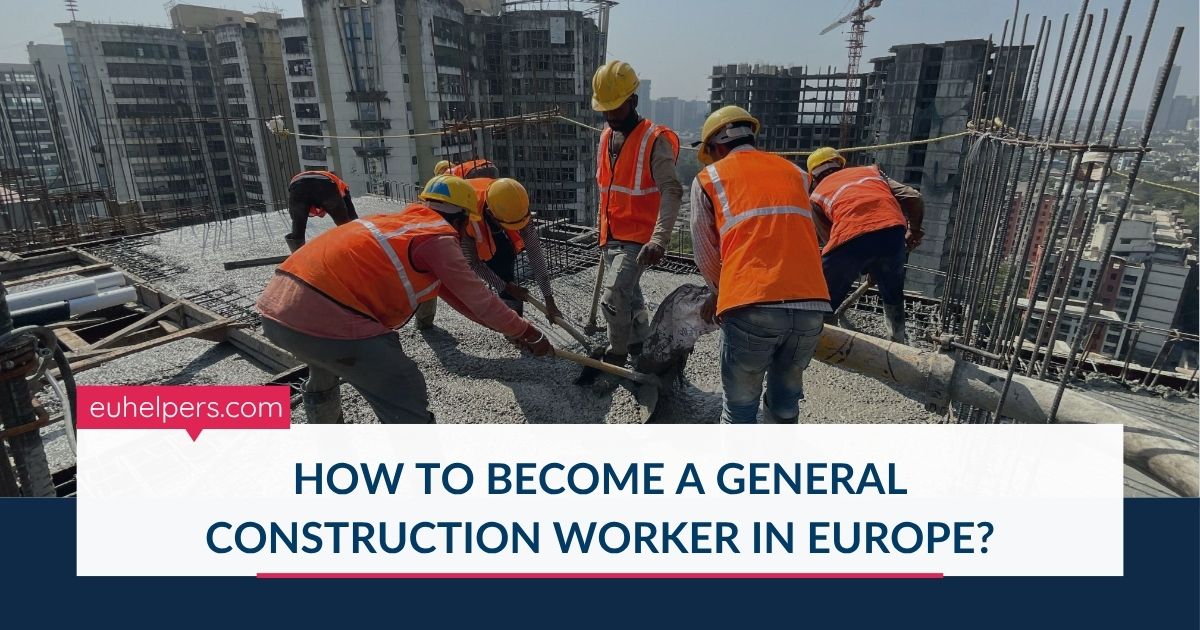
Construction work is in high demand across Europe, offering promising job opportunities for both local and international workers. Whether you're seeking entry into the general construction field or looking to specialize in a trade, the path typically involves a combination of education, training, work experience, and, for non-EU citizens, visa processes.
1. Obtain the Necessary Qualifications and Experience
Most European countries require some form of training or experience before you can start working on construction sites.
Vocational Training
Many construction workers begin with vocational education through trade schools, technical high schools, or post-secondary programs. These courses provide foundational knowledge in construction techniques, tools, and safety practices.
Apprenticeships
Apprenticeship programs combine classroom learning with hands-on work experience. They’re a valuable way to earn a wage while gaining practical skills and are widely recognized across Europe as a strong foundation for a career in construction.
On-the-Job Experience
Gaining practical work experience through internships, short-term jobs, or training schemes can enhance your resume and build essential site skills.
Specialized Trades
If you’re interested in focusing on a specific role—such as plumber, electrician, carpenter, or welder—you’ll need additional certification or specialized training, which varies by country and profession.
2. Understand Work Permits and Visas
Your ability to work legally in Europe depends on your citizenship status.
EU Citizens
If you're a citizen of the European Union, you enjoy the freedom of movement and can work in any EU countrywithout the need for a work permit or visa.
Non-EU Citizens
Those from outside the EU will typically need to:
-
Secure a job offer from a registered employer
-
Meet specific eligibility criteria, such as qualifications or experience
-
Apply for a work visa or permit, which may vary by country
Many construction firms facing labor shortages are willing to assist with the visa process. However, it's advisable to start the process early, as processing times can vary widely.
3. Find Job Opportunities
Once you’ve gained the necessary skills, there are multiple ways to explore employment options:
-
Online Job Portals: Websites like EURES and euhelpers.pl are excellent platforms for finding construction jobs across Europe.
-
Recruitment Agencies: Specialized agencies often work directly with construction companies to match workers to open roles.
-
Company Career Pages: Many large construction firms list job openings on their websites.
-
Networking and Job Fairs: Industry events and local job fairs can connect you with potential employers and other professionals in the field.
4. Learn the Local Language
Language plays a critical role in the construction industry, particularly for safety and teamwork.
-
Local Language Proficiency: Being able to speak the official language of the country you’re working in is often essential for daily communication and understanding safety instructions.
-
English: While English is common on international or larger construction projects, it is not always sufficient. Local language skills give you a competitive edge, especially for roles that involve client interaction or supervisory responsibilities.
5. Prioritize Health and Safety
Working on a construction site involves potential risks, making safety awareness a top priority.
-
Certifications: Obtain safety certifications such as:
-
SCC (Safety Certificate Contractors) – widely used in Germany and the Netherlands
-
VCA (Veiligheid, Gezondheid en Milieu Checklist Aannemers) – common in the Benelux region
-
-
On-Site Safety: Learn how to operate tools and machinery safely, follow health guidelines, and use protective equipment correctly.
6. Develop Technical and Soft Skills
Being a well-rounded construction worker involves more than technical know-how.
Technical Skills
Gain proficiency in:
-
Construction techniques and materials
-
Blueprint reading
-
Operation of basic machinery and tools
Soft Skills
Employers value:
-
Teamwork and collaboration
-
Problem-solving under pressure
-
Communication with supervisors and team members
Adaptability
Work environments can vary greatly across countries and job sites. Flexibility and a willingness to adapt to different methods, tools, and work cultures are essential.
7. Continue Your Professional Development
As your career progresses, consider investing in higher education or advanced training.
-
Higher-Level Qualifications: If you’re aiming for supervisory or managerial roles, qualifications like the French BTS (Brevet de Technicien Supérieur) or Bac+5 degrees can help you transition into construction management or civil engineering.
-
Ongoing Training: Stay current with industry developments, green building techniques, and emerging technologies to improve your value in the labor market.
A career as a general construction worker in Europe is accessible and rewarding, with clear pathways for both local and international workers. By gaining the necessary training, understanding country-specific regulations, and developing strong technical and interpersonal skills, you can successfully build a long-term career in Europe’s vibrant construction industry. Whether you're working on residential projects, public infrastructure, or commercial developments, your role is essential in shaping the built environment across the continent.