
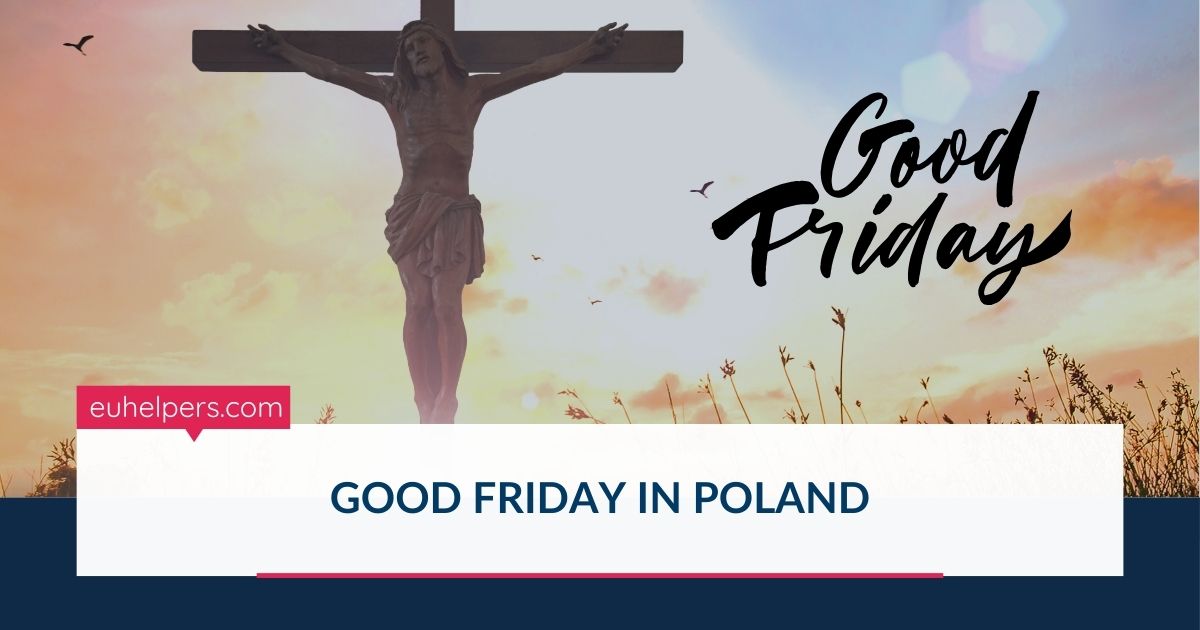
In Poland, Good Friday—known locally as Wielki Piątek—is one of the most solemn days in the Christian calendar. It commemorates the crucifixion of Jesus Christ and marks the culmination of Lent, the 40-day period of fasting and spiritual preparation leading up to Easter. While it is not a public holiday in Poland, Good Friday is widely observed by the faithful and holds deep religious significance throughout the country.
A Day of Religious Significance
For many Polish Christians, Wielki Piątek is a time for serious reflection and remembrance of Christ's suffering and death. The day is rich with religious traditions and practices that foster a somber and prayerful atmosphere. It serves as a spiritual bridge between the introspective season of Lent and the joy of the Resurrection celebrated on Easter Sunday.
Fasting and Abstinence
Fasting plays a central role in Good Friday observances. Many Poles abstain from meat, alcohol, and other indulgent foods as a sign of penance and respect. Some choose to fast more strictly, refraining from red meat or limiting their meals altogether. This act of self-denial is a personal expression of solidarity with Jesus’ suffering.
Religious Services and Symbolism
Churches across Poland hold special liturgical services on Good Friday, often centered on the Passion of Christ. These services may include scripture readings, solemn prayers, and the symbolic veneration of the cross. In some parishes, replicas of Jesus’ body are placed in a symbolic tomb, allowing worshippers to reflect more deeply on the sacrifice he made.
Processions of Faith
In various towns and cities, public processions bring the Passion story to life. Participants may carry large wooden crosses through the streets, reenacting the final steps of Jesus on his path to crucifixion. These processions are often accompanied by prayer, hymns, and moments of silence, drawing large crowds of worshippers who come to pay their respects and reflect on the meaning of the day.
A Mood of Mourning and Contemplation
Good Friday in Poland is deeply contemplative. It's a time when many people turn inward, engaging in quiet prayer and personal reflection. Festivities and parties are avoided, and alcohol consumption is generally frowned upon as the focus remains on spiritual matters.
Public Life on Good Friday
Although Wielki Piątek is not recognized as an official public holiday in Poland, its religious importance often influences public life. Some shops, businesses, and tourist sites may reduce their hours or close altogether, particularly in areas with strong Catholic traditions.
Good Friday in Poland is a profound expression of religious devotion and cultural tradition. Through fasting, prayer, processions, and church services, Poles honor the crucifixion of Jesus with solemnity and reverence. While it lacks the legal status of a public holiday, Wielki Piątek remains a powerful spiritual milestone in the lead-up to Easter, uniting communities in remembrance and faith.