
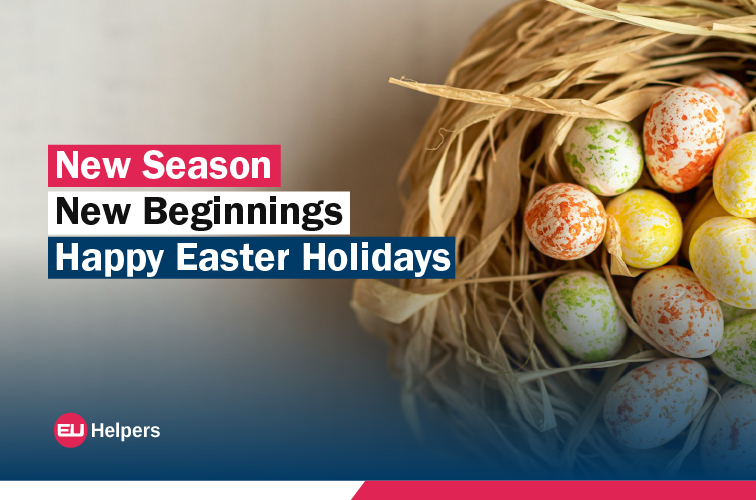

Easter in Europe is a major festival deeply rooted in Christian traditions, symbolising the resurrection of Jesus Christ, new beginnings, hope, and renewal. Each country celebrates in unique ways while sharing the same spiritual meaning.
For international students, foreign workers, and travellers, understanding Easter traditions in Europe is essential. It helps adapt to local culture, plan holidays, and enjoy one of the most meaningful times of the year. From religious ceremonies and festive meals to colourful eggs and public holidays, Easter offers a complete cultural experience across Europe.
Why Easter Is Important Across Europe
Easter holds great importance in most European countries because of the continent’s strong Christian heritage. Churches organise special services, and families gather to celebrate together. In many countries, Easter is considered even more important than Christmas in terms of religious significance.
Easter also marks the arrival of spring, bringing warmth, flowers, and outdoor activities, which adds a joyful atmosphere to celebrations.
Holy Week in Europe
Holy Week is the period leading up to Easter Sunday and is observed across Europe with great devotion. It begins with Palm Sunday and includes important days such as Maundy Thursday, Good Friday, and Holy Saturday.
During this week:
- Churches hold daily services and processions.
- People reflect on religious teachings.
- Some follow fasting traditions.
- Communities prepare for Easter celebrations.
Countries like Spain and Italy are known for their grand processions. In contrast, nations such as Poland and Germany often focus on family gatherings and church traditions.
Good Friday Traditions
Good Friday is observed as a solemn day marking the crucifixion of Jesus Christ. Many European countries declare it a public holiday.
Common practices include:
- Attending church services
- Maintaining a quiet and respectful atmosphere
- Avoiding celebrations or parties
- Eating traditional foods like fish or bread
In the UK, many enjoy hot cross buns as a seasonal treat. Meanwhile, processions remain a major part of Good Friday in Southern Europe.
Easter Sunday Celebrations
Easter Sunday is the most joyful and important day of the festival. It celebrates the resurrection of Jesus and is marked by happiness, family gatherings, and festive meals.
Across Europe, people:
- Attend church services
- Share meals with family.
- Exchange gifts, especially chocolate eggs
- Celebrate with music and decorations.
The day represents hope, renewal, and new beginnings. For many, it sits at the heart of European culture.
Easter Monday Traditions
Easter Monday is a public holiday in many European countries, but it tends to be more relaxed and social. This contrasts with the more religious nature of earlier days.
People often:
- Travel or go on short trips
- Spend time outdoors
- Visit friends and relatives.
In some countries, such as Poland, unique traditions, like water celebrations, take place, while in others it is simply a day of rest and leisure.
Easter Food Across Europe
Food plays a major role in Easter celebrations across Europe. Each country has its own traditional dishes, but some common elements persist.
Popular foods include:
- Eggs (symbol of new life)
- Bread and cakes
- Meat dishes like lamb or ham
- Desserts and sweets
In Italy, sweet breads like Colomba are enjoyed by many families. Chocolate eggs are widely popular in Germany and the UK. Across the continent, food during Easter is not just for eating—it’s about sharing and celebration. Eggs and Symbolism
Eggs are a key symbol of Easter in Europe, representing life, rebirth, and renewal.
Different countries have their own traditions:
- Painted eggs in Eastern Europe
- Chocolate eggs in Western Europe
- Egg games and competitions
This shared symbol connects all European cultures despite differences.
Country-Wise Easter Traditions in Europe
Germany celebrates Easter in a lively fashion, featuring decorated "Easter egg trees" and joyful family gatherings. The exchange of chocolate eggs and small gifts is a cherished tradition.
In France, church bells fall silent on Good Friday, only to ring again on Easter Sunday. Families gather for large celebratory meals and enjoy a variety of chocolate treats.
Italy for Religious ceremonies—especially in cities like Rome—take centre stage in Italy. Sharing traditional foods and gathering with loved ones are meaningful parts of the celebration.
Spain is renowned for its grand Easter processions that attract visitors from around the world, making Holy Week particularly lively.
Poland has strong traditions, such as blessing food baskets and celebrating Easter Monday with water activities.
The UK combines church traditions with customs like Easter egg hunts, chocolate gifts, and long holidays.
Work and Lifestyle During Easter in Europe
For foreign workers and students, Easter is an important period because:
- Many countries have public holidays.
- Offices, banks, and schools may close.
- Public transport may have limited schedules.
This period typically results in a long weekend or extended holiday, giving people a chance to relax, travel, or spend quality time with family.
Easter can lead to higher expenses for food, gifts, and travel. However, many choose simple home celebrations or outdoor activities, which are often kinder to the budget.ng ahead is important, especially for foreigners, as shops may be closed on key days.
Cultural Experience for Foreigners
Easter is one of the best times to experience European culture. It offers:
- A mix of tradition and modern lifestyle
- Opportunities to connect with locals
- Exposure to different customs across countries
Participating in Easter celebrations helps foreigners understand European life beyond work or studies.
How to Celebrate Easter in Europe as a Foreigner
If you are living in Europe, you can enjoy Easter by:
- Attending church services
- Trying traditional foods
- Participating in local events
- Spending time outdoors
- Respecting local customs
- This helps you integrate into society and enjoy Europe's cultural richness.
Apply for Opportunities in Europe
If you are planning to work or study in Europe, understanding cultural traditions like Easter is essential. EU Helpers helps you find verified opportunities and guides you through the process. Start your journey at https://euhelpers.com/jobs-in-europe and explore your future in Europe.
Conclusion
Easter in Europe is a rich and meaningful celebration that combines religion, culture, and modern lifestyle. It offers a unique experience for anyone living or travelling in Europe. Understanding these traditions helps foreigners adapt better and enjoy their time in Europe while building strong cultural connections.
FAQs
Easter in Europe is celebrated through a mix of religious traditions and cultural customs. People attend church services, participate in processions, and gather with family for special meals. Many countries also include modern traditions like Easter egg hunts and gift exchanges. While the core meaning remains the same, each country adds its own unique cultural elements, making Easter diverse and interesting across Europe.
Yes, Easter is widely recognised as a public holiday across most European countries. Good Friday, Easter Sunday, and Easter Monday are commonly observed holidays. During this time, offices, schools, and many businesses remain closed, giving people time to celebrate with family and relax. However, exact holidays may vary slightly from country to country.
Common traditions include attending church services, decorating eggs, preparing special meals, and spending time with family. In some countries, processions and religious ceremonies are important, while in others, modern customs like egg hunts are more popular. These traditions reflect both religious beliefs and cultural practices.
Eggs symbolise new life and rebirth, which is the main theme of Easter. They are used in decorations, games, and meals across Europe. In some countries, eggs are painted and decorated, while in others, chocolate eggs are given as gifts. This tradition is one of the most widely shared symbols across Europe.
Traditional Easter foods vary by country but often include eggs, bread, meat dishes like lamb or ham, and desserts. Meals are usually prepared with care and shared with family. Food plays a central role in the celebration and reflects both tradition and culture.
Easter celebrations usually last a few days, from Good Friday through Easter Monday. However, preparations begin during Holy Week, making it a longer period of cultural and religious activities.
Yes, foreigners are welcome to participate in Easter celebrations. Many communities are open and inclusive, allowing international students and workers to join events and traditions. It is a great way to experience local culture and build connections.
Easter in Europe is both religious and cultural. While many people follow religious traditions, others celebrate it as a seasonal holiday with family and leisure activities. This balance makes it accessible to people from different backgrounds.
Many shops are closed on Easter Sunday and may have limited hours on other days. It is important to plan shopping in advance, especially for essential items.
Yes, Easter is a popular travel time due to public holidays and long weekends. Many people visit family or take short trips within Europe.
You should explore local traditions, try traditional food, attend events, and enjoy the holiday atmosphere. It is also a great time to travel or relax.
Yes, Easter is important because it includes public holidays and time off work. It allows workers to rest and spend time with their families.
The atmosphere is festive, peaceful, and family-oriented. It combines religious reflection with joyful celebrations and seasonal happiness.
Yes, many cities organise events such as fairs, markets, and community celebrations. These events are popular among locals and tourists alike.
You can apply through EU Helpers at https://euhelpers.com/jobs-in-europe to find verified opportunities and get guidance for your journey in Europe.