
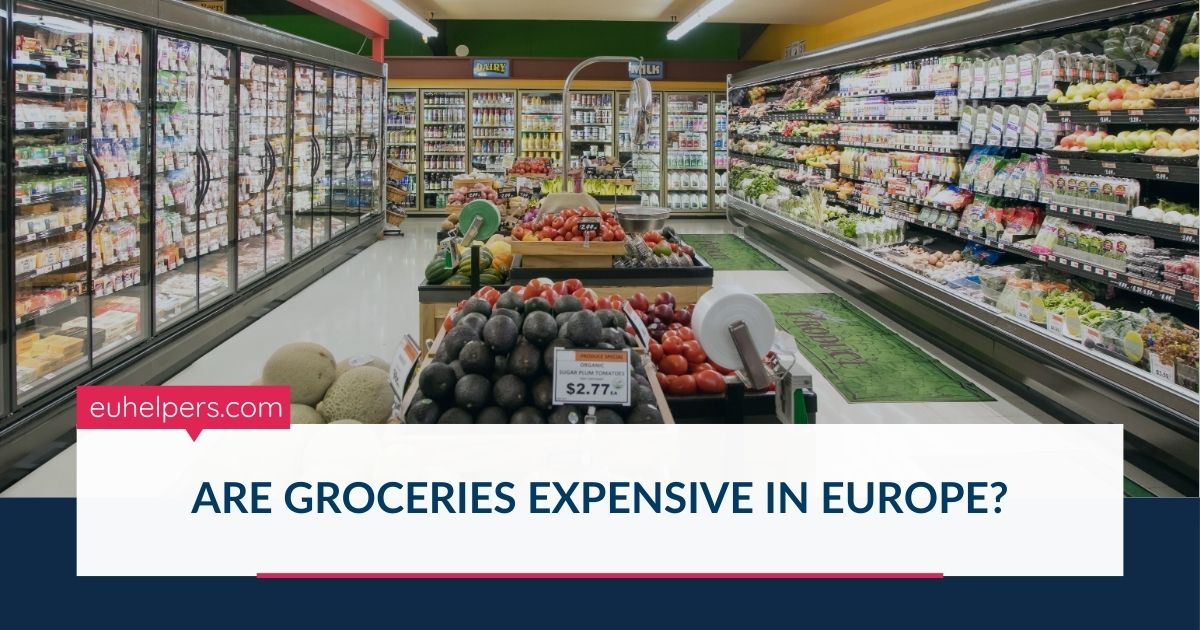

Groceries in Europe are not equally expensive everywhere. The cost depends on the country, city, shopping habits, and income level. In general, groceries are more expensive in Western and Northern Europe and more affordable in Central, Eastern, and Southern Europe.
For foreign workers and migrants, groceries are usually manageable, especially when shopping at local supermarkets and discount stores.
Average Monthly Grocery Cost in Europe
For one person, average monthly grocery expenses are:
-
Western Europe (Germany, France, Netherlands): €180 – €300
-
Northern Europe (Sweden, Denmark, Finland): €220 – €350
-
Southern Europe (Spain, Italy, Portugal): €150 – €250
-
Central & Eastern Europe (Poland, Hungary, Romania): €120 – €220
Families spend more, but home cooking keeps costs under control.
Grocery Prices in Major EU Countries (Examples)
Approximate prices for common items:
-
Bread (1 loaf): €1.00 – €2.50
-
Milk (1 liter): €0.80 – €1.50
-
Eggs (12): €2.00 – €4.00
-
Chicken (1 kg): €5.00 – €9.00
-
Rice (1 kg): €1.50 – €3.00
-
Apples (1 kg): €1.50 – €3.00
Prices are higher in city centers and tourist areas.
Which European Countries Have Cheaper Groceries?
Countries with lower grocery costs include:
-
Poland
-
Czech Republic
-
Hungary
-
Romania
-
Bulgaria
-
Portugal
-
Spain
Local food production and lower wages help keep prices affordable.
Which European Countries Have Expensive Groceries?
Countries known for higher grocery prices include:
-
Switzerland (not EU but often compared)
-
Denmark
-
Sweden
-
Finland
-
Ireland
-
Netherlands
Higher taxes, wages, and import costs increase prices.
Are Supermarkets Expensive in Europe?
Europe has many discount supermarket chains that help reduce grocery costs.
Popular affordable stores include:
-
Lidl
-
Aldi
-
Penny
-
Netto
-
Tesco (Central Europe)
Shopping at these stores can reduce grocery bills by 20–40% compared to premium supermarkets.
Is Eating at Home Cheaper Than Eating Outside?
Yes. Cooking at home is significantly cheaper than eating out.
Average cost:
-
Home-cooked meal: €2 – €5
-
Restaurant meal (budget): €8 – €15
-
Fast food: €6 – €10
Most foreign workers save money by cooking regularly.
Do Employers Provide Food for Workers?
In some blue-collar and seasonal jobs:
-
Meals are provided at work
-
Food allowance is included
-
Canteens offer subsidized meals
This can reduce monthly grocery expenses.
Are Groceries Expensive Compared to Salaries?
In most EU countries:
-
Groceries take 10–20% of monthly income
-
In lower-wage countries, this can rise to 20–25%
Although prices may seem high to newcomers, wages and social support systems help balance costs.
Tips to Save Money on Groceries in Europe
Foreign workers can save by:
-
Shopping at discount supermarkets
-
Buying store-brand products
-
Avoiding tourist-area shops
-
Cooking in bulk
-
Using weekly promotions
-
Buying seasonal fruits and vegetables
Markets and local stores are often cheaper and fresher.
Key Takeaway for Foreign Workers
Groceries in Europe are generally affordable, especially when compared to salaries. While some countries are more expensive, smart shopping habits make food costs manageable for most foreign workers and migrants.
Choosing the right country, city, and supermarket plays a major role in keeping grocery expenses low.