
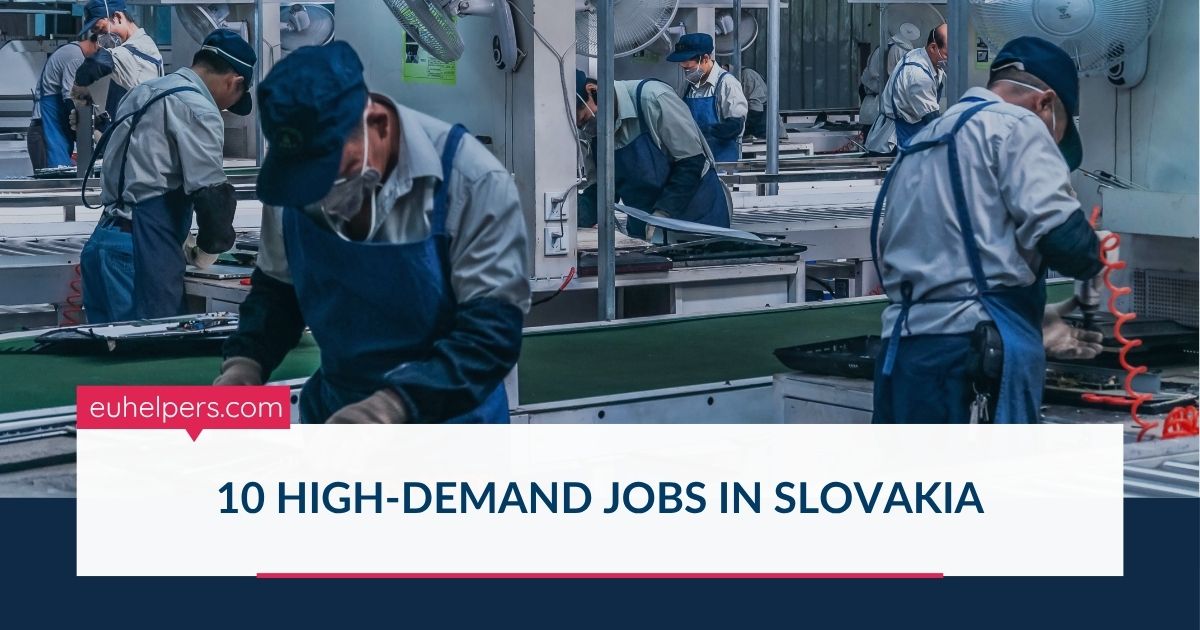
Slovakia’s growing economy and industrial base have created a strong demand for blue-collar workers across multiple sectors. From manufacturing and construction to logistics and healthcare, skilled labor is essential to support the country’s infrastructure and economic development. As Slovakia continues to evolve into a key hub for automotive production and digital transformation, both traditional and modern blue-collar roles are becoming increasingly important.
Here’s a closer look at some of the most in-demand blue-collar jobs in Slovakia today:
1. Manufacturing and Automotive Industry
Slovakia is one of Europe’s leading automotive producers, with major global manufacturers operating within the country. This has fueled high demand for:
-
Assembly Line Workers: Vital for vehicle production and component assembly.
-
Machine Operators: Skilled operators are needed to run and maintain complex machinery.
-
Welders: Welding specialists are essential in automotive manufacturing and heavy industry.
-
Quality Control Specialists: Responsible for ensuring that production standards are met and maintained.
This sector offers steady employment and often includes opportunities for training and advancement.
2. Construction and Skilled Trades
With ongoing infrastructure development and real estate projects, Slovakia’s construction sector is actively seeking:
-
Electricians and Plumbers: Crucial for new builds and maintenance work.
-
Carpenters and Bricklayers: Needed for residential and commercial construction.
-
General Construction Workers: Support roles that assist with building, roadwork, and structural projects.
Skilled tradespeople continue to be essential in both urban and rural development initiatives across the country.
3. Logistics and Transportation
Slovakia’s central location in Europe, combined with a rise in e-commerce and global trade, has led to increasing demand in the logistics sector, including:
-
Truck Drivers: Key for domestic and international freight transport.
-
Warehouse Workers: Needed to manage inventory, packing, and shipping processes.
-
Logistics Coordinators: Responsible for planning and overseeing supply chain operations.
These roles are particularly important as businesses focus on efficient delivery and supply chain reliability.
4. Healthcare Sector
An aging population and rising healthcare needs are driving demand not only for doctors and nurses but also for blue-collar healthcare roles such as:
-
Medical Technicians: Operate diagnostic equipment and assist in patient care.
-
Healthcare Assistants: Provide essential support in hospitals and elder care facilities.
These positions play a crucial role in maintaining healthcare services across Slovakia.
5. Information Technology and Digital Support
Although traditionally seen as a white-collar domain, Slovakia’s emphasis on digital innovation and automation is creating new opportunities for technically skilled workers, including:
-
IT Support Technicians: Help maintain hardware and software systems in industrial environments.
-
Cybersecurity Technicians: Ensure the safety of digital infrastructure.
-
Data Center Operators: Manage the physical aspects of cloud and data storage facilities.
These jobs require technical know-how and often bridge the gap between blue-collar and white-collar responsibilities.
Key Considerations for Job Seekers
-
Language Skills: While some roles, especially in international companies, may use English, knowledge of Slovak is often beneficial or required for effective communication and integration.
-
Certifications and Training: Many skilled trades and technical roles require formal training, certifications, or apprenticeships.
-
Work Permits: For non-EU nationals, securing a valid work permit is necessary before employment.
Slovakia’s evolving economy offers a wide range of opportunities for blue-collar professionals. Whether in manufacturing, construction, healthcare, or digital support, skilled workers are crucial to the country’s continued growth. With the right training and experience, job seekers can find rewarding careers and contribute to some of the most vital industries in Slovakia.