
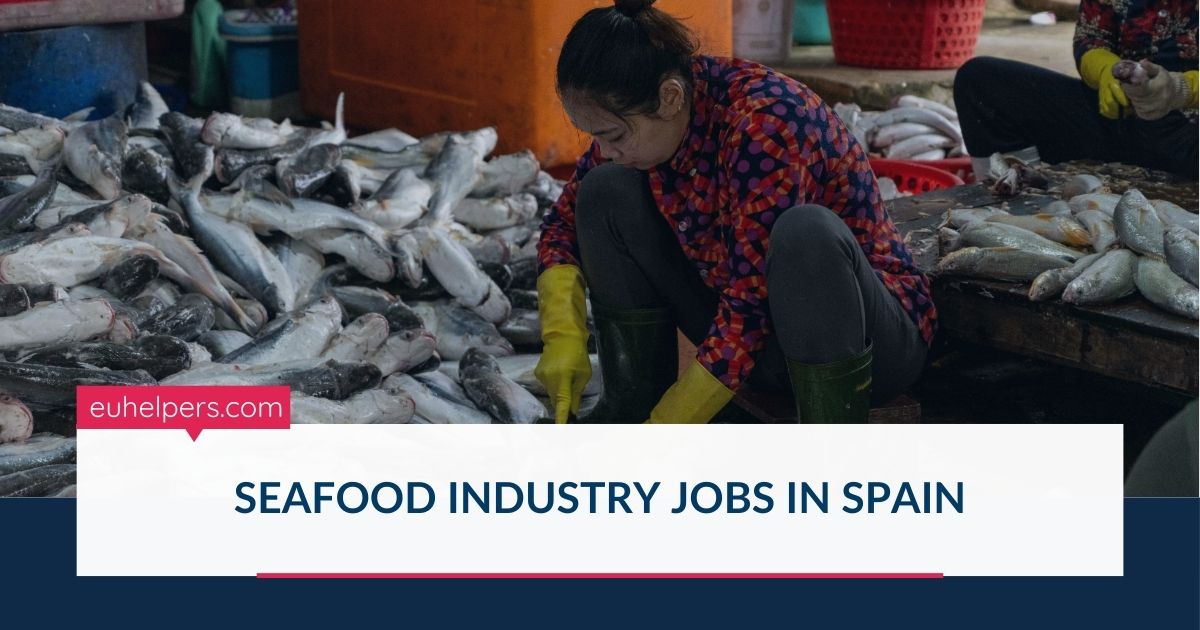

Spain is one of Europe’s largest seafood producers and exporters. With a long coastline and strong fishing tradition, the country has a large seafood industry that includes fishing, seafood processing, packaging, and distribution.
Because of growing demand and labor shortages in some regions, seafood companies in Spain often hire foreign workers. These jobs are available in fish processing factories, seafood packaging plants, fishing vessels, and distribution centers.
For many international workers, seafood industry jobs provide an entry point into the European job market, especially for those looking for stable employment in food production.
Why Spain’s Seafood Industry Needs Workers
Spain has one of the highest seafood consumption rates in Europe. The seafood industry plays an important role in the country’s economy and supports thousands of businesses.
Several factors increase the demand for workers:
-
Large fishing and seafood processing sector
-
High domestic seafood consumption
-
Growing seafood exports across Europe
-
Labor shortages in manual and factory roles
As a result, seafood companies often recruit workers from outside Spain.
Types of Seafood Industry Jobs in Spain
Foreign workers can find several roles within the seafood sector depending on their experience and skills.
Fish Processing Worker
Fish processing workers prepare seafood products for distribution and sale.
Typical tasks include:
-
Cleaning and cutting fish
-
Removing bones and scales
-
Sorting seafood products
-
Preparing fish for packaging
This job often requires working in cold environments inside processing facilities.
Seafood Packaging Worker
Packaging workers prepare seafood products for transport and retail.
Common responsibilities include:
-
Weighing seafood products
-
Packing seafood into containers
-
Labeling packages
-
Inspecting product quality
Packaging jobs are common in seafood factories and export companies.
Fishing Vessel Crew
Fishing companies hire crew members to work on fishing boats.
Responsibilities may include:
-
Catching fish and seafood
-
Handling fishing equipment and nets
-
Sorting seafood on board
-
Maintaining equipment and vessels
Fishing jobs can be physically demanding and may involve long hours at sea.
Quality Control Worker
Quality control staff ensure seafood products meet safety and hygiene standards.
Their duties include:
-
Inspecting seafood quality
-
Checking packaging and labeling
-
Monitoring food safety regulations
-
Reporting quality issues
Some positions may require training in food safety procedures.
Warehouse and Distribution Worker
Seafood companies also require workers in logistics and distribution.
Typical tasks include:
-
Loading and unloading seafood shipments
-
Organizing storage areas
-
Managing refrigerated warehouses
-
Preparing orders for delivery
These roles help move seafood products to supermarkets, restaurants, and export markets.
Average Salary in the Seafood Industry
Salaries vary depending on experience, location, and type of job.
Typical monthly salary ranges include:
-
Fish processing worker: €1,200 – €1,600
-
Packaging worker: €1,100 – €1,400
-
Fishing vessel crew: €1,500 – €2,200
-
Warehouse worker: €1,200 – €1,500
-
Quality control worker: €1,400 – €1,800
Workers may also receive overtime pay and bonuses depending on company policies.
Working Conditions
Seafood industry jobs often involve physical work and specific working environments.
Common working conditions include:
-
40 hours per week
-
Shift-based schedules
-
Cold storage or refrigerated workplaces
-
Standing for long periods
-
Strict hygiene and safety standards
Workers usually receive protective clothing and safety training.
Work Visa Options for Foreign Workers
Foreign workers from outside the European Union generally need a visa to work in Spain.
Common visa options include:
Spain Work Visa
Issued to foreign workers who have a job offer from a Spanish employer.
Seasonal Work Permit
Used for temporary or seasonal work in agriculture or food production sectors.
Residence Permit for Employment
Allows foreign workers to stay in Spain and work legally for an extended period.
Employers usually assist workers with the visa application process.
Basic Requirements for Seafood Jobs
Most seafood industry jobs do not require high academic qualifications, but employers usually expect:
-
Physical fitness
-
Ability to work in cold environments
-
Basic communication skills in Spanish or English
-
Ability to work in a team
-
Valid passport and work authorization
Previous experience in food processing or factory work can be an advantage.
Best Regions in Spain for Seafood Industry Jobs
Seafood jobs are most common in coastal regions where fishing and seafood processing are major industries.
Key regions include:
Galicia
The largest seafood production region in Spain with many fish processing companies.
Catalonia
Known for seafood trade and distribution.
Andalusia
A major fishing and seafood processing area in southern Spain.
Basque Country
Important for fishing fleets and seafood exports.
These regions offer the highest number of opportunities in the seafood sector.
Benefits of Working in Spain’s Seafood Industry
Foreign workers often choose seafood jobs in Spain because of several advantages.
Common benefits include:
-
Stable employment in food production
-
Opportunities for entry-level workers
-
Experience working in the European food industry
-
Potential long-term employment opportunities
-
Competitive wages compared to some seasonal jobs
These jobs can also lead to other opportunities within the food production sector.
How to Apply for Seafood Jobs in Spain
Foreign workers can search for seafood industry jobs through several channels.
Common methods include:
-
Online job portals
-
Recruitment agencies specializing in food industry jobs
-
Direct applications to seafood companies
-
Networking with workers already employed in the sector
Preparing a simple CV highlighting factory or food processing experience can improve the chances of getting hired.
Challenges of Seafood Industry Work
Although seafood jobs can provide stable employment, workers may face some challenges.
Common challenges include:
-
Cold working environments
-
Physically demanding tasks
-
Early morning or night shifts
-
Language barriers for foreign workers
However, many workers adapt quickly and gain valuable experience.
Final Thoughts
The seafood industry in Spain offers many job opportunities for foreign workers, especially in processing, packaging, fishing, and logistics. With strong seafood production and export markets, the sector continues to require a steady workforce.
For individuals interested in working in Europe’s food production industry, seafood jobs in Spain can provide stable employment, international work experience, and opportunities for career growth.