
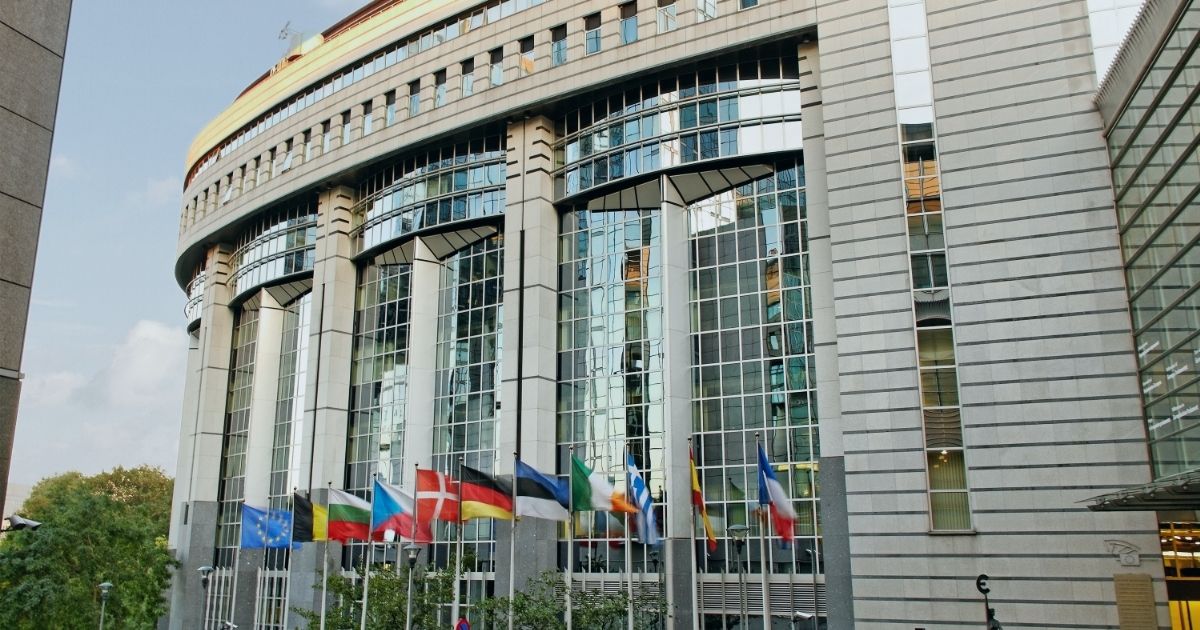

Several European countries are introducing tougher asylum and migration rules, marking one of the EU’s most significant shifts in migration policy in recent years. The updates follow rising political pressure, concerns about deportation delays, and a push to reinterpret human-rights frameworks that influence asylum decisions.
Push to Reinterpret the European Convention on Human Rights (ECHR)
In May, Italy, Denmark, Austria, Belgium, Czechia, Estonia, Latvia, Lithuania, and Poland jointly urged the EU to revise how the European Court of Human Rights applies the ECHR — especially in cases where deportations are blocked on human-rights grounds. Member states say current interpretations make it difficult to remove foreign criminals or rejected applicants.
Denmark: Stricter Controls and Temporary Protection
Denmark continues to operate one of Europe’s toughest asylum models. It offers temporary protection only, reviewed frequently and revoked if a refugee’s home country becomes “safe.”
Additional measures include:
-
Conditional state support
-
Longer routes to citizenship
-
Strong emphasis on integration and contribution
France: Tough Immigration Bill Partially Struck Down
France introduced sweeping changes in 2024 to restrict family reunification, tighten birthright citizenship, and narrow access to welfare.
However, the Constitutional Council removed many of the strictest rules, citing procedural issues.
Germany: Faster Decisions and Broader Deportation Powers
Germany processes some of Europe’s highest numbers of asylum applications and has adopted measures to manage pressure:
-
Expanded list of safe countries
-
Faster asylum processing
-
Easier deportations for rejected applicants and offenders
At the same time, the government is easing pathways to residence and citizenship for long-term, integrated migrants and skilled workers.
Greece: Temporary Halt on Asylum Processing
Greece temporarily suspended asylum applications in July for migrants arriving from North Africa, especially to Crete. Authorities have also reinforced land and sea border controls with additional fencing and patrols.
Ireland: Reform and Reduced Refugee Accommodation
Ireland is restructuring its asylum system to speed up decisions and appeals.
Key developments:
-
Further tightening expected from 2026
-
State-funded accommodation for Ukrainian refugees reduced from 90 days to 30
-
About 21,600 Ukrainians living in public housing
Italy: Offshore Processing and Longer Detention
Italy is tightening migration rules through:
-
A new deal with Albania to process intercepted migrants outside Italy (expected operational in 2026)
-
Extended detention for undocumented migrants (up to 18 months)
-
Restrictions on NGO sea rescue operations
-
Narrower access to humanitarian protection
-
Fast-track asylum procedures for applicants from “safe” countries
Netherlands: Harder to Qualify for Asylum
Dutch lawmakers are debating changes that include:
-
Tougher asylum qualification criteria
-
Reduced residence permit validity (three years)
-
Stricter family reunification rules
These proposals were drafted before the previous government fell, but major parties still support stronger controls.
Portugal: Longer Path to Citizenship
Portugal plans to double the residency period required for citizenship from five to ten years and tighten naturalisation conditions.
A new immigration law with stricter family-reunification rules is pending review by the Constitutional Court.
Sweden: Major Financial Incentives for Voluntary Return
Sweden is sharply increasing voluntary-return payments — from 10,000 to 350,000 crowns (€32,000) — to encourage migrants to go back home.
Upcoming plans include:
-
Stricter citizenship rules
-
Longer residency requirements
-
Reviewing whether dual nationals convicted of serious crimes can lose their Swedish citizenship