
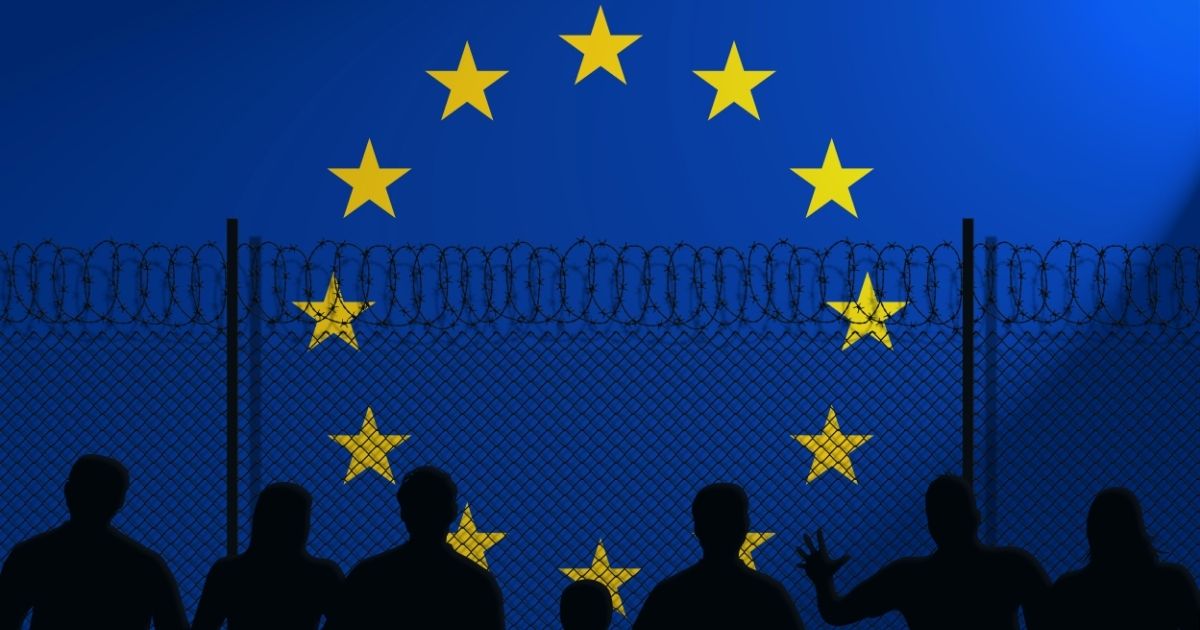

The European Commission has released its General Report for 2025, highlighting new initiatives aimed at strengthening security across the European Union. The report outlines major efforts to enhance internal security, improve border management, and strengthen cooperation among Member States to address modern security challenges.
The updates come as the EU responds to growing geopolitical tensions, hybrid threats, and evolving forms of organised crime and cybercrime.
EU Expands Security and Defence Readiness
In response to increasing global instability, the European Union has stepped up its work to protect citizens and improve defence readiness. During 2025, several new initiatives were introduced to help EU countries address immediate security challenges while preparing for long-term risks.
These measures focus on improving coordination between governments, strengthening law enforcement capabilities, and increasing the use of digital technologies to manage security threats more effectively.
ProtectEU Strategy Introduced
A key development in 2025 was the launch of ProtectEU, the European Union’s new Internal Security Strategy. Introduced on 1 April 2025, the strategy takes a broad approach to security by addressing both online and offline threats.
ProtectEU focuses on combating:
-
Terrorism and radicalisation
-
Organised crime networks
-
Cybercrime and digital attacks
-
Attacks on critical infrastructure
-
Hybrid threats affecting EU security
The strategy also encourages collaboration between governments, businesses, researchers, civil society, and citizens to strengthen Europe’s overall security system.
Stronger Border Control and Digital Systems
Another major priority for the European Union in 2025 was improving the management of external borders. The EU plans to introduce more advanced digital tools to support border authorities and improve the monitoring of migration and travel.
Key goals include:
-
Digitalising border control management
-
Providing better equipment for border guards
-
Improving cooperation with non-EU countries
-
Strengthening the EU visa policy framework
-
Ensuring a fully functioning Schengen Area
These improvements are intended to make border management more efficient while maintaining high levels of security.
Combating Trafficking and Organised Crime
The European Commission is also developing a new strategy to combat human trafficking and organised criminal activities. The strategy aims to address every stage of trafficking, from prevention and investigation to prosecution.
Authorities will also receive updated tools and resources to fight crime both online and offline, particularly in areas related to cybercrime and cross-border criminal networks.
Future Security Measures
The EU plans to continue strengthening cooperation among law enforcement authorities across Europe. Future actions will focus on:
-
Improving political and operational governance
-
Expanding the use of shared information systems
-
Increasing investment in research and security technology
-
Strengthening intelligence cooperation among Member States
-
Implementing effective return measures for individuals without legal permission to remain in the EU
Progress will be monitored through the Schengen Scoreboard and the Schengen Evaluation and Monitoring Mechanism, which assess how effectively countries manage border controls and security cooperation.
Conclusion
The European Union’s 2025 General Report highlights a strong focus on security, border management, and law enforcement cooperation. Through new strategies such as ProtectEU and enhanced digital border systems, the EU aims to strengthen its ability to respond to modern threats while ensuring safer and more secure borders across the region.