
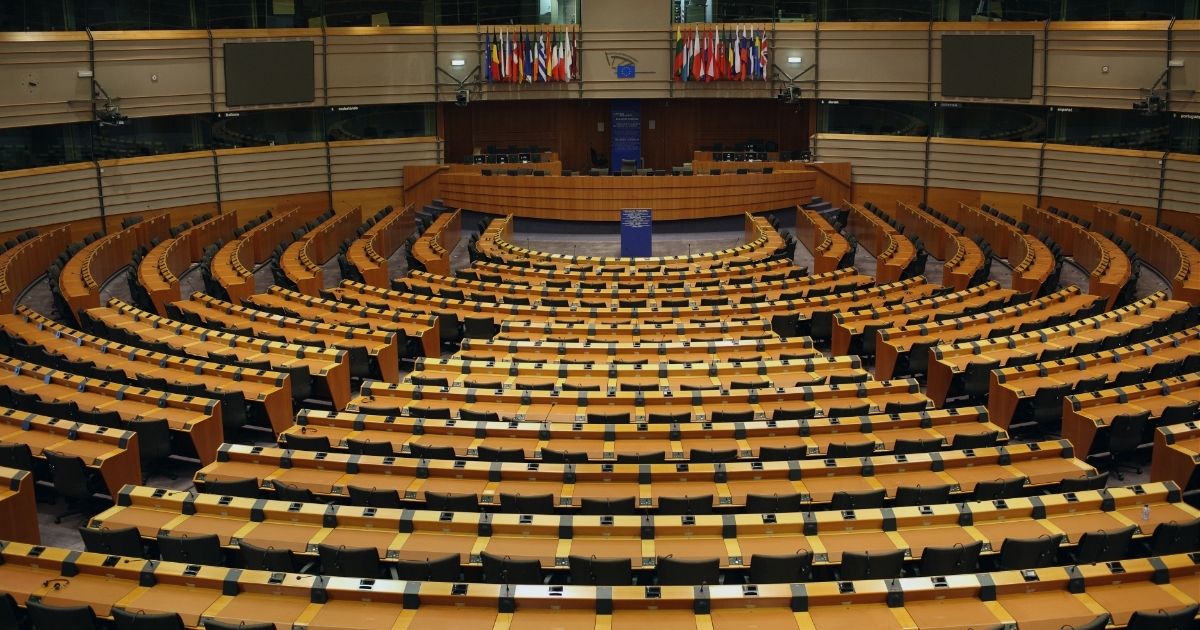

The proposed digital euro has hit a fresh political roadblock in the European Parliament, as divisions among lawmakers delay progress on the European Central Bank (ECB)-backed initiative.
The draft legislation is currently stalled after its lead rapporteur, Spanish MEP Fernando Navarrete Rojas from the European People’s Party (EPP), formed a minority bloc with far-right lawmakers. This move has made it difficult for shadow rapporteurs from other political groups to secure a majority agreement on the file.
Scope of the Digital Euro Under Debate
At the center of the disagreement is the scope of the digital euro.
The European Commission originally proposed a digital version of cash that could be used both online and offline. However, Navarrete is reportedly pushing for an offline-only model, significantly narrowing the project’s original ambition.
As rapporteur, Navarrete is responsible for guiding negotiations and building consensus across political groups. However, sources familiar with the talks say that amendments included in the latest compromise text are unacceptable to lawmakers who support the Commission’s broader plan. This has resulted in a legislative deadlock.
A meeting held on Thursday failed to resolve the dispute, with some lawmakers reportedly stating that “the text is going nowhere.” Another discussion is scheduled for 10 March, but a vote initially expected in May is now likely to be postponed.
Without a formal mandate from Parliament, the legislation cannot proceed to negotiations with EU member states, which have already agreed on their position in the Council.
Political Pressure From Germany
The debate has gained political momentum, particularly in Germany. The German delegation within the European People’s Party strongly supports advancing the digital euro project.
In mid-February, Vice-Chancellor Lars Klingbeil warned that delaying the digital euro could harm Europe’s strategic interests, especially amid growing economic tensions between the EU and the United States.
Why the Digital Euro Matters
The digital euro proposal is being developed by the European Central Bank and aims to create an electronic form of central bank money available to citizens across the European Union.
The initiative is partly driven by concerns over Europe’s dependence on US-based payment providers such as Visa and Mastercard.
According to ECB data from 2025, Visa and Mastercard account for 61% of card payments within the EU and nearly all cross-border card transactions.
Supporters argue that a digital euro would:
-
Provide citizens with direct access to public digital money
-
Strengthen European financial sovereignty
-
Reduce reliance on foreign payment systems
-
Ensure privacy protections for transactions
Under the Commission’s proposal, users would hold a digital wallet capable of making both online and offline payments, with safeguards designed to prevent transaction tracking.
Concerns Over Narrowing the Proposal
Critics warn that shifting to an offline-only system could undermine the project’s core objectives.
Laura Casonato, head of policy at Positive Money Europe, stated that the latest compromise text does not clarify the future direction of the digital euro. However, she acknowledged that the draft includes positive language recognizing the need for a secure and sovereign digital payment method, along with clearer privacy and data protection provisions.
What Happens Next?
The next round of negotiations is expected on 10 March. However, parliamentary sources suggest that the legislative timetable is likely to slip beyond the previously scheduled May vote.
Until Parliament reaches a majority-backed position, interinstitutional negotiations cannot move forward, further delaying the future of the digital euro.
The political divisions reflect broader debates about Europe’s financial autonomy, privacy protections, and the future role of central bank digital currencies.