
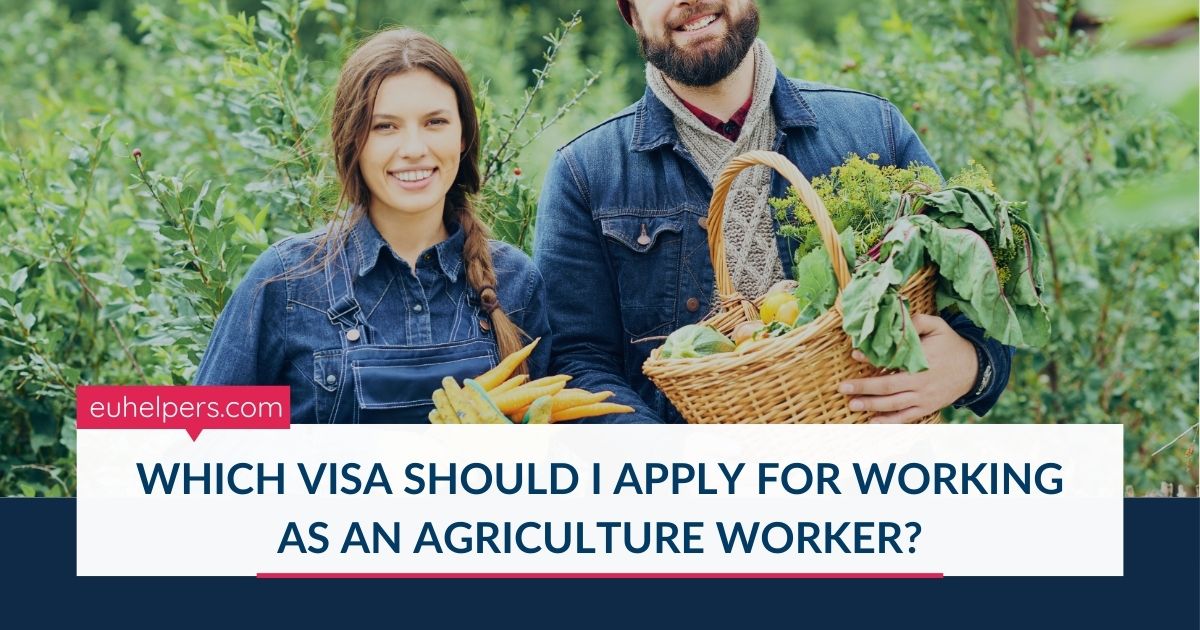
Europe’s agriculture sector relies heavily on seasonal workers, especially during planting and harvesting periods. For non-EU citizens, securing the right visa or permit is essential before starting work. The most common option is a Seasonal Work Visa or Permit, though requirements vary by country and the length of employment.
1️⃣ Seasonal Work Visa/Permit
The Seasonal Work Visa is the primary route for agricultural workers seeking temporary employment in Europe. It is designed for short-term jobs lasting a few months, typically tied to harvests or planting seasons.
Key points:
-
A valid job offer from a European employer is usually required.
-
In many cases, the employer sponsors the visa or permit.
-
The duration is typically 6–9 months, depending on the country.
Examples by Country:
-
Italy: Seasonal permits are issued under the Decreto Flussi program, which sets annual quotas for non-EU workers in agriculture.
-
Germany: Seasonal Work Visas are available for short-term farm jobs, while long-term roles may require an Employment Visa.
-
Netherlands: Seasonal workers can apply for a GVVA (single permit) that combines residence and work authorization.
-
France: The Contrat Saisonnier allows foreigners to work in seasonal roles, particularly in farming and winemaking.
2️⃣ Other Visa Options
If you’re looking for longer-term agricultural employment, other permits may be more suitable:
-
Long-Stay Visa: For agricultural contracts extending beyond a few months, this visa can lead to residence permits.
-
Austria’s Red-White-Red Card: Skilled agricultural workers may qualify for this permit, which offers a pathway to permanent settlement and employment.
3️⃣ Key Considerations for Applicants
-
Job Offer: A confirmed offer from a registered European employer is essential.
-
Country-Specific Rules: Each EU country has its own immigration laws and procedures—research them carefully.
-
Employer Sponsorship: Many seasonal permits are only valid if the employer applies on your behalf.
-
Duration: Seasonal work permits are short-term (6–9 months), while long-term visas may allow permanent residence.
-
Documents Required: Typically include a valid passport, signed job contract, proof of accommodation, and sometimes proof of qualifications or medical insurance.
For non-EU citizens, agricultural work in Europe is possible through seasonal visas and permits. Whether you’re interested in grape harvesting in France, olive picking in Italy, or greenhouse work in the Netherlands, the key is to secure a valid job offer and meet the visa requirements of the destination country. With proper preparation, seasonal farm jobs can offer valuable international experience and, in some cases, lead to long-term opportunities in Europe’s agricultural sector.