
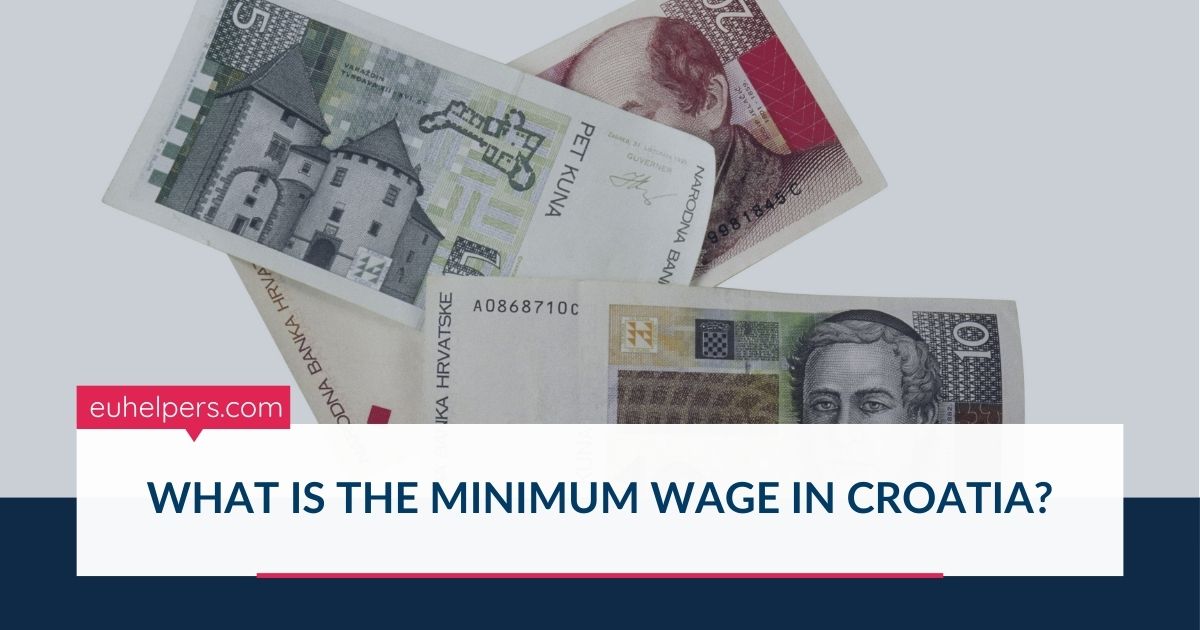
Croatia has officially raised its gross monthly minimum wage to €970, effective January 1, 2025. This increase, up from €840 in the previous year, translates to an hourly rate of approximately €6.06. The move reflects the government’s ongoing commitment to improving income levels and tackling inflationary pressures that have affected many workers across the country.
Why the Increase?
The wage adjustment is part of broader economic reforms aimed at:
-
Improving Living Standards: As the cost of living continues to rise—particularly in housing, food, and utilities—this wage hike helps ensure that workers maintain their purchasing power.
-
Aligning with EU Standards: Croatia, as a member of the European Union, is working to close the wage gap with other EU countries. Although still below the EU average, the new rate brings Croatia closer to wage levels in comparable Central and Eastern European nations.
Impact on Employers
For employers, the new minimum wage means:
-
Increased Labor Costs: Businesses, especially those in labor-intensive sectors like retail, hospitality, and manufacturing, will need to adjust their budgets to accommodate higher wage expenses.
-
Compliance: Employers must ensure that all employment contracts and payroll systems reflect the new minimum wage to remain compliant with Croatian labor laws.
Impact on Workers
For workers, the increase offers:
-
Higher Take-Home Pay: The wage hike provides much-needed relief to low-income earners, helping them better meet daily expenses.
-
Greater Job Satisfaction and Stability: Improved wages can lead to higher morale and lower employee turnover, contributing to a more stable workforce.
How Croatia Compares
Despite the increase, Croatia’s minimum wage still trails behind Western European countries. For example:
-
Germany’s minimum wage (2025) is expected to be over €12 per hour.
-
France’s minimum wage remains above €11 per hour.
However, Croatia's new rate is competitive within the Balkans and Central Eastern Europe, and it reflects a steady upward trend over recent years.
What’s Next?
The government has indicated that regular reviews of the minimum wage will continue, taking into account economic growth, productivity, and living costs. Employers and employees alike are encouraged to stay informed about potential future adjustments.
This wage increase is a positive development for workers and an important step toward economic alignment within the European Union, even as it presents new challenges for employers.