
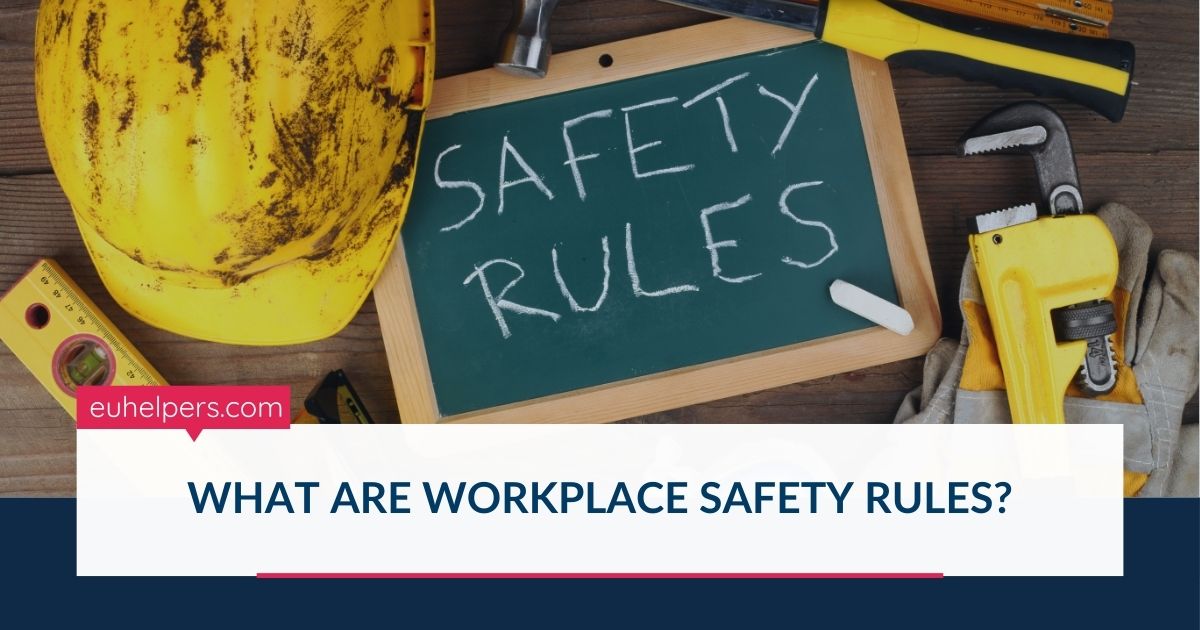

Workplace safety rules are guidelines and regulations designed to protect employees from injuries, accidents, and health risks while at work. These rules help create a safe working environment and ensure that both employers and workers understand their responsibilities.
In most countries, workplace safety rules are legally required and apply to all industries, from offices and factories to construction sites and farms.
Why Are Workplace Safety Rules Important?
Workplace safety rules are essential because they:
-
Protect workers from accidents and injuries
-
Reduce health risks and long-term illnesses
-
Help employers meet legal and insurance requirements
-
Improve productivity and morale
-
Reduce downtime caused by accidents or investigations
A safe workplace benefits both employees and employers.
Common Workplace Safety Rules
While specific rules vary by country and industry, most workplaces follow these basic safety principles:
1. Use of Personal Protective Equipment (PPE)
Employees must wear appropriate protective gear such as helmets, gloves, safety shoes, masks, or eye protection when required.
2. Proper Training and Instructions
Workers should receive training on:
-
Safe equipment operation
-
Emergency procedures
-
Handling hazardous materials
Untrained workers are at higher risk of accidents.
3. Maintaining a Clean and Safe Work Area
Employers must ensure that:
-
Workspaces are clean and well-organized
-
Walkways and exits are clear
-
Equipment is properly maintained
4. Reporting Hazards and Accidents
Workers must report unsafe conditions, injuries, or near-miss incidents immediately so corrective action can be taken.
5. Following Machinery and Equipment Safety Rules
Machines must be used only for their intended purpose, with proper safety guards in place.
Workplace Safety Rules for Employers
Employers are legally responsible for:
-
Providing a safe and healthy working environment
-
Conducting risk assessments
-
Providing safety training and protective equipment
-
Following national labor and health regulations
-
Keeping records of accidents and safety measures
Failure to comply can result in fines, legal penalties, or business closure.
Workplace Safety Rules for Employees
Employees are expected to:
-
Follow all safety instructions
-
Use protective equipment correctly
-
Report unsafe conditions
-
Avoid risky behavior or misuse of equipment
Safety is a shared responsibility between employers and workers.
What Happens If Workplace Safety Rules Are Ignored?
Ignoring safety rules can lead to:
-
Serious injuries or fatalities
-
Legal penalties for employers
-
Loss of work permits or job termination
-
Higher insurance and compensation costs
In many countries, repeated safety violations can result in workplace shutdowns.
Workplace Safety in the EU
European Union countries follow strict occupational safety standards under EU directives. Employers must ensure safe working conditions, proper training, and risk prevention measures for all employees, including foreign workers.
Final Thoughts
Workplace safety rules exist to protect lives and ensure fair working conditions. Understanding and following these rules helps reduce risks, maintain legal compliance, and create a healthier work environment for everyone.