
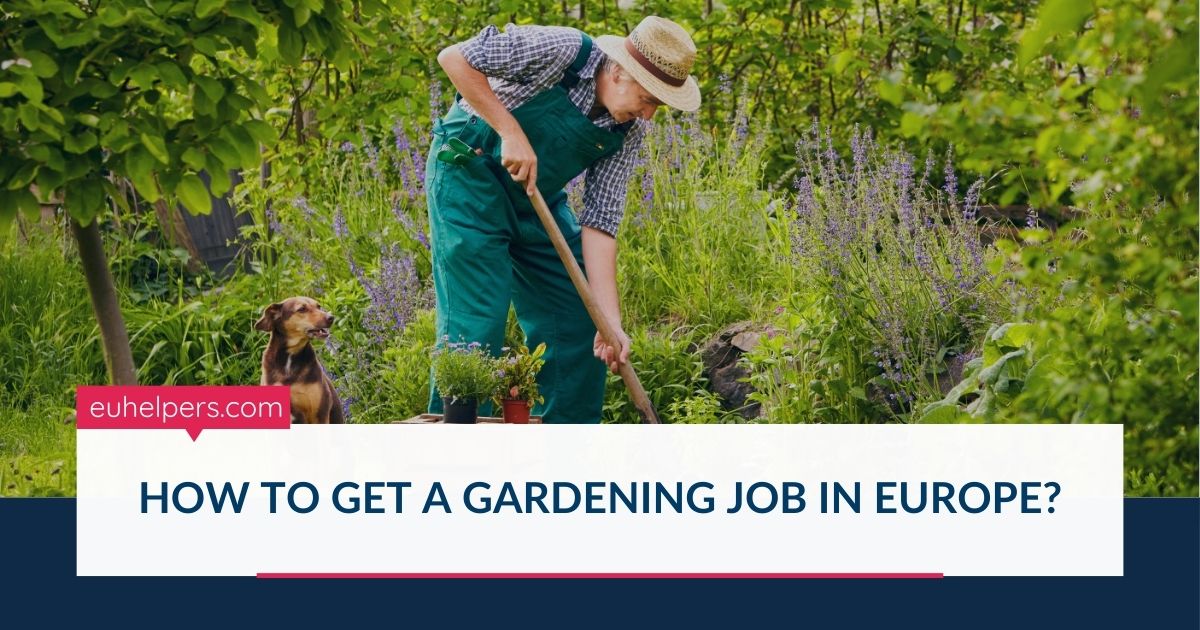
Gardening jobs in Europe are a popular choice for people who enjoy working outdoors and prefer hands-on work instead of office jobs. From maintaining private gardens and parks to landscaping in hotels and resorts, gardeners are in steady demand across many European countries. These jobs are especially suitable for migrants, seasonal workers, and individuals seeking entry-level opportunities abroad.
Why choose gardening jobs in Europe
-
High demand: Public parks, resorts, and private homes need regular gardening staff.
-
Entry-level friendly: Many jobs require little or no formal education.
-
Outdoor work: Perfect for those who prefer nature and physical activity.
-
Flexible options: Both seasonal and full-time positions are available.
-
Pathway to growth: Opportunities to move into landscaping, horticulture, or greenhouse management.
Requirements for gardening jobs
To work as a gardener in Europe, you usually need:
-
A valid work visa or permit (for non-EU citizens).
-
Physical fitness for tasks like digging, planting, trimming, and lifting.
-
Basic gardening knowledge (plant care, lawn maintenance, landscaping tools).
-
Language basics (English or the local language like German, French, Italian, or Spanish).
-
Experience or training (optional) in horticulture or landscaping can help for higher-paying roles.
Average wages for gardeners in Europe (2025)
Gardener salaries depend on the country, employer, and experience. Here are the average earnings:
-
Germany: €11–€15 per hour (higher in landscaping companies).
-
France: €11.65–€14 per hour.
-
Spain: €1,100–€1,400 per month.
-
Italy: €7–€10 per hour.
-
Netherlands: €12–€17 per hour.
-
UK: £10–£14 per hour (higher for skilled landscapers).
? Seasonal jobs often include free accommodation and meals, especially on farms or resorts.
Types of gardening jobs available
-
Private gardening: Maintenance of individual homes and estates.
-
Public gardening: Parks, city gardens, and community spaces.
-
Hotel and resort gardening: Landscaping and beautification for tourists.
-
Greenhouse and nursery work: Growing flowers, vegetables, or plants for sale.
-
Landscaping jobs: Advanced design and outdoor project work.
Where to find gardening jobs in Europe
-
Job portals: EURES, Indeed, Glassdoor, EuroJobs.
-
Agricultural and landscaping companies: Many hire gardeners directly.
-
Seasonal work websites: Summer and spring jobs in farms, vineyards, and resorts.
-
Local ads: Classifieds, community boards, and Facebook job groups.
-
Recruitment agencies: Specialized in agricultural and seasonal worker placements.
Tips to get hired quickly
-
Prepare a simple CV highlighting outdoor or physical work experience.
-
Apply early for seasonal jobs, especially spring and summer roles.
-
Learn basic plant and landscaping terms in the local language.
-
Show flexibility in shifts and relocation—many jobs are rural.
-
Take short gardening or landscaping courses for higher-paying opportunities.
Challenges in gardening work
-
Physically demanding, with long hours outdoors.
-
Seasonal nature of many contracts.
-
Weather conditions may affect stability of work.
-
Language barriers in some regions.
Gardening jobs in Europe are a practical choice for people who love working with plants and don’t mind physical labor. They provide stable income, visa opportunities, and sometimes free accommodation for seasonal workers. With steady demand in landscaping, agriculture, and hospitality, gardening can be an excellent entry point into the European job market.