
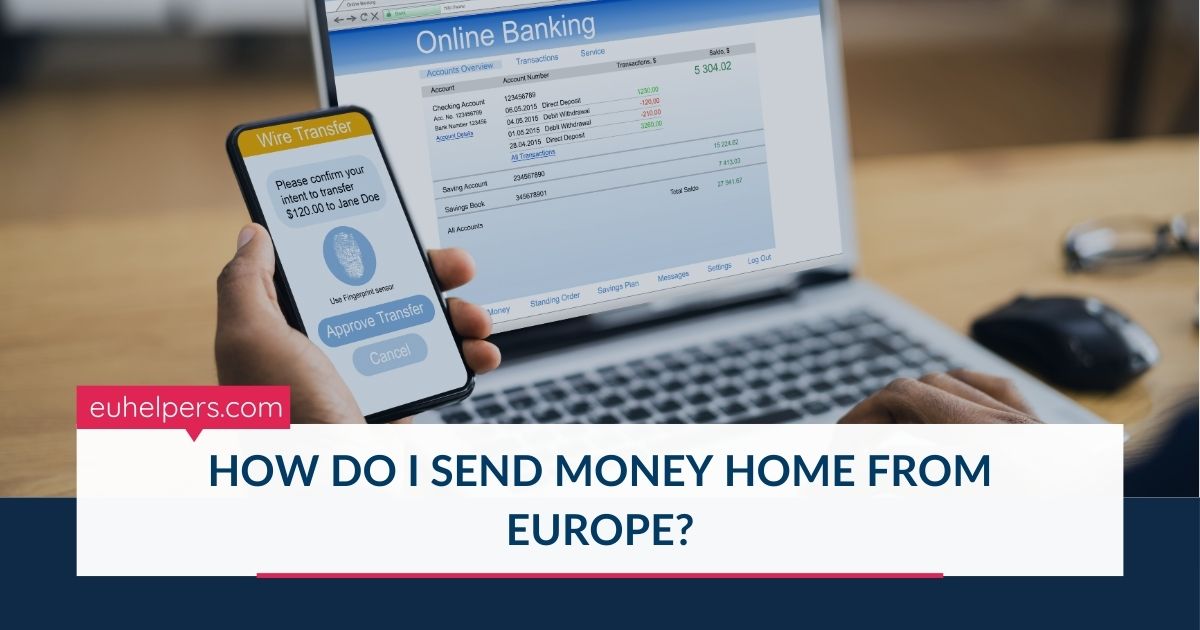

Sending money home is one of the most important priorities for international workers living in Europe. Whether you want to support your family, pay for education, or manage savings, Europe offers many safe and reliable ways to transfer money internationally.
Popular Ways to Send Money Home From Europe
Workers and students in Europe generally use five main methods to transfer money internationally.
1. Online Money Transfer Apps
These are the most popular because they are fast, affordable, and easy to use.
Common platforms include:
-
Wise
-
Remitly
-
WorldRemit
-
Revolut
-
PaySend
-
XE Money Transfer
Benefits:
-
Low fees
-
Better exchange rates
-
Fast transfers (minutes to a few hours)
-
Send directly to bank accounts or mobile wallets
Best for: Workers sending money regularly at low cost.
2. Bank-to-Bank International Transfer
Most European banks allow international transfers using SWIFT.
Benefits:
-
Very safe
-
Direct transfer to home-country bank
Drawbacks:
-
Higher fees
-
Slower (2–5 working days)
-
Less favorable exchange rates
Best for: Large transfers or when you need bank documentation.
3. Money Transfer Companies
Trusted companies offering cash or bank transfers include:
-
Western Union
-
MoneyGram
-
Ria
Benefits:
-
Send cash for pickup within minutes
-
Available everywhere, even in remote regions
Drawbacks:
-
Higher fees than online apps
-
Exchange rates may be lower
Best for: When your family prefers cash pickup or has no bank account.
4. Mobile Wallet Transfers
Some apps allow transfers directly to mobile wallets.
Examples:
-
M-Pesa (Africa)
-
bKash (Bangladesh)
-
GCash (Philippines)
-
JazzCash (Pakistan)
Benefits:
-
Fast and convenient
-
Ideal for countries where mobile money is common
Best for: Quick, small-to-medium transfers.
5. Cryptocurrency Transfers (Not Recommended for Beginners)
Some workers use crypto to send money home.
Benefits:
-
Low fees in some cases
Drawbacks:
-
Risky for beginners
-
Price changes quickly
-
Not accepted everywhere
Best for: Experienced users only.
What Documents Do You Need to Send Money From Europe?
Most services ask for:
-
Passport or residence permit
-
European address or proof of residence
-
European bank account or debit card
-
Recipient’s bank details or mobile wallet number
For cash pickup:
-
Sender: ID (passport, residence card)
-
Receiver: ID + tracking number
How Much Does It Cost to Send Money Home?
Costs depend on:
-
Transfer method
-
Exchange rate
-
Transfer amount
-
Destination country
Estimated Fees
-
Online apps: €1–€5 or 0.5–2% of the amount
-
Banks: €10–€40 per transfer
-
Western Union / MoneyGram: €5–€25 depending on amount
Tip: Always compare exchange rates, not just fees.
How Long Do Transfers Take?
-
Instant to 1 hour: Online apps, cash pickups
-
1–2 business days: Mobile wallet transfers
-
2–5 business days: Bank-to-bank SWIFT transfers
Things to Consider Before Sending Money
-
Check the exchange rate
-
Compare fees across platforms
-
Confirm the receiver’s details carefully
-
Avoid using unregistered agents
-
Do not share OTPs or passwords
-
Keep a receipt for every transfer
Which Option Is Best for You?
For low cost:
Wise, Remitly, PaySend
For fast transfers:
WorldRemit, Western Union, Ria
For large transfers:
Bank-to-bank SWIFT transfer
For countries with mobile money systems:
bKash, M-Pesa, GCash, JazzCash
Conclusion
Sending money home from Europe is easy, safe, and affordable with the right method. Most workers prefer online transfer platforms because of their low fees and fast processing. Others may use Western Union or MoneyGram for cash pickups. Always compare fees and exchange rates to get the best value for your hard-earned money.